









































































































































































































































































































































































































































































































































































Senate Moves to Probe N11.35tn Spent on Moribund Refineries in 13 Years

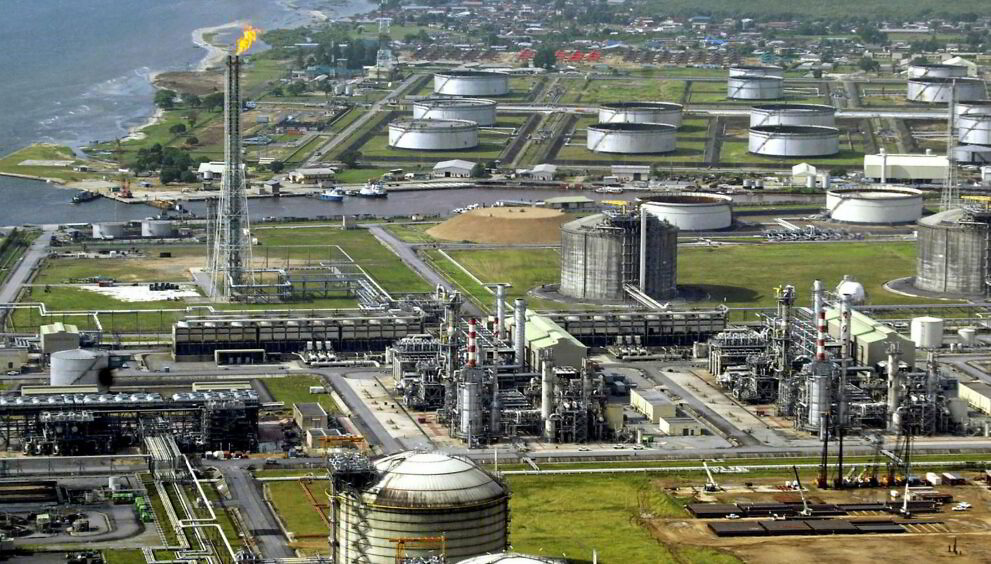
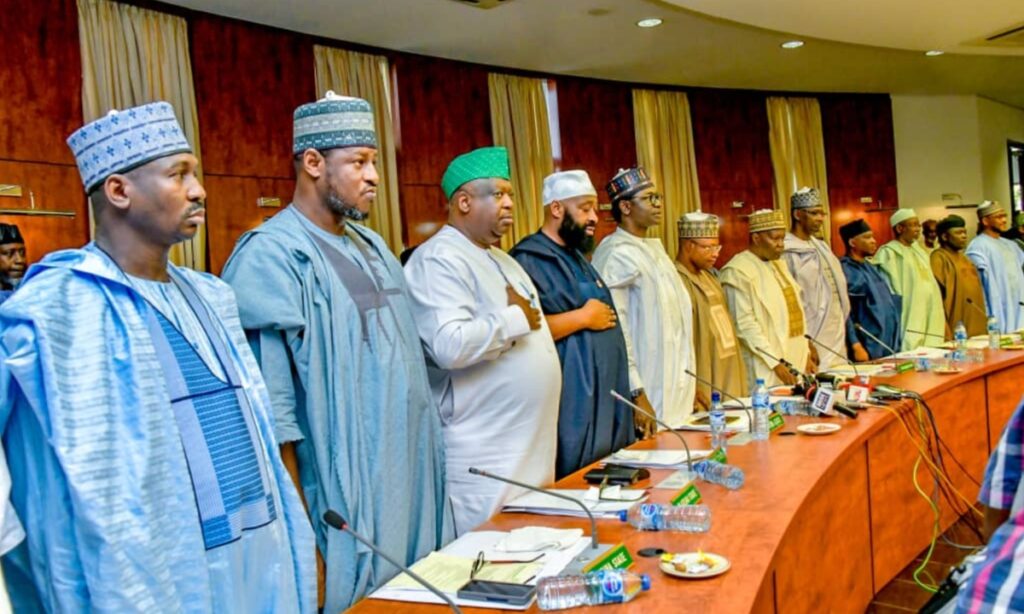
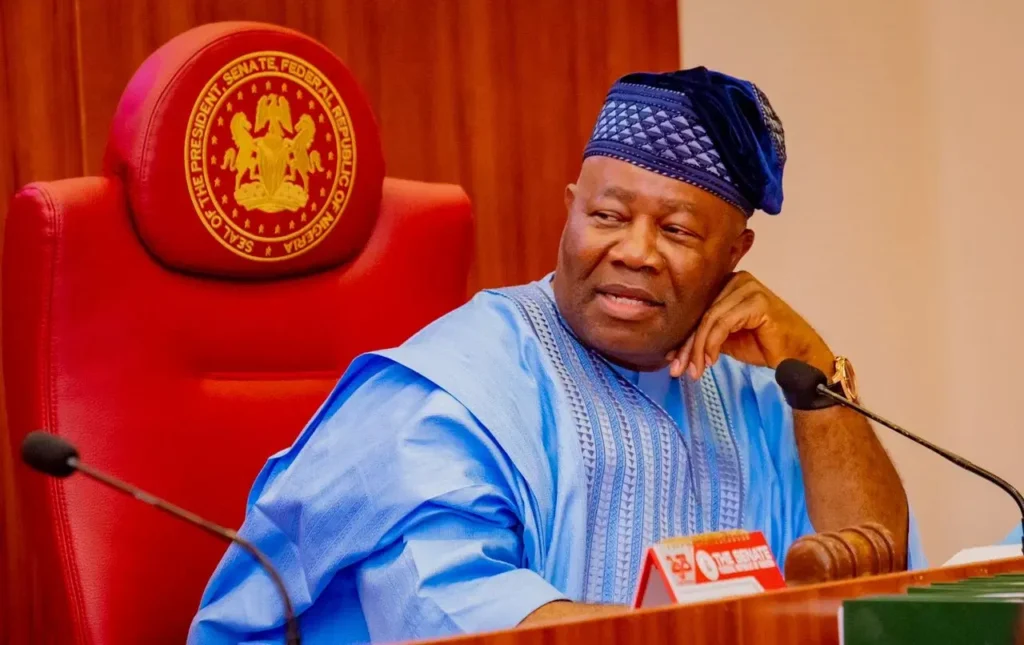
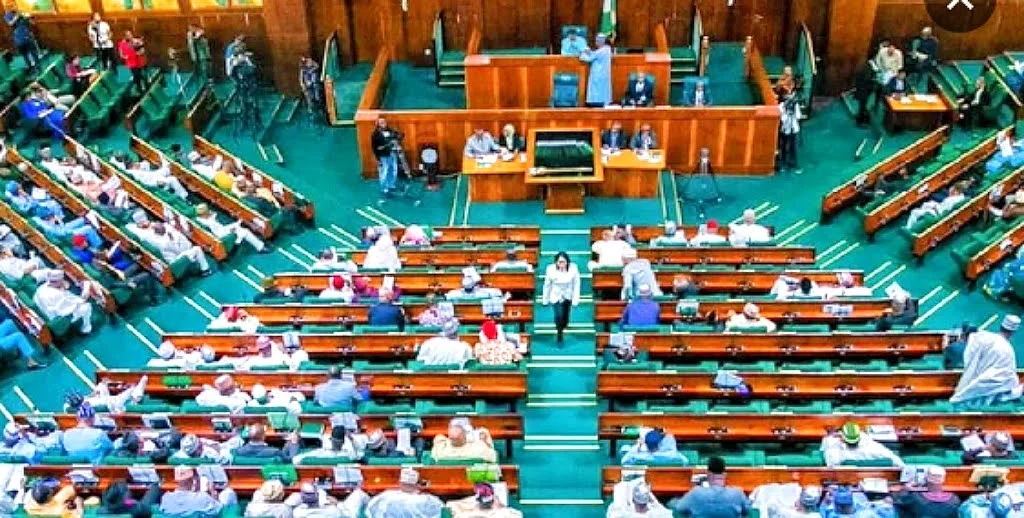
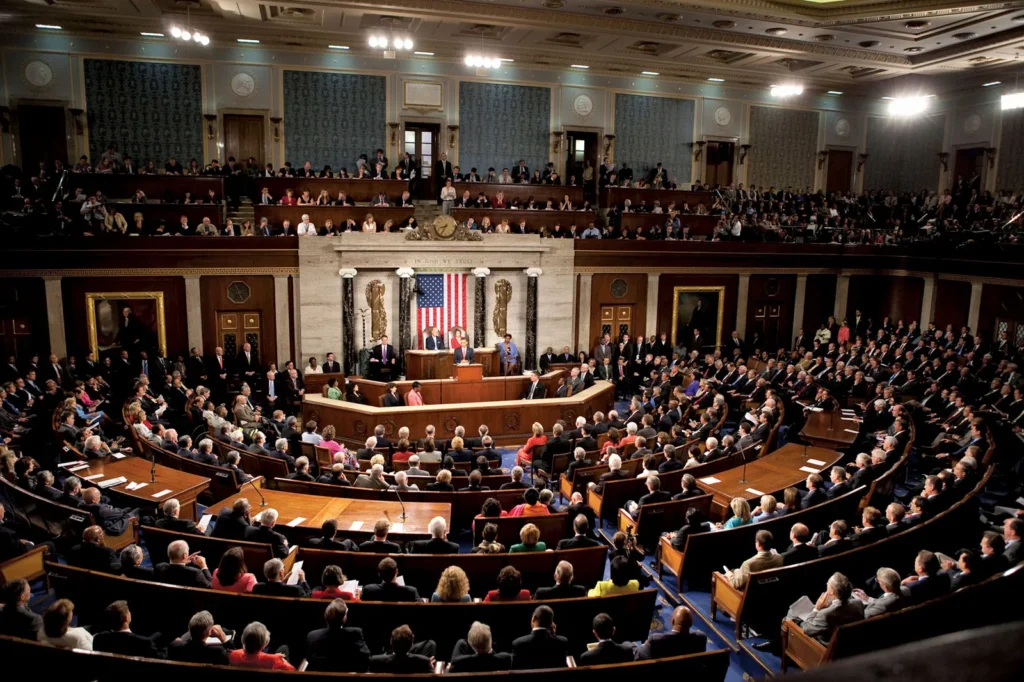
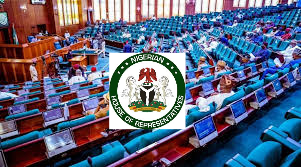
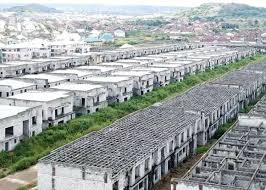
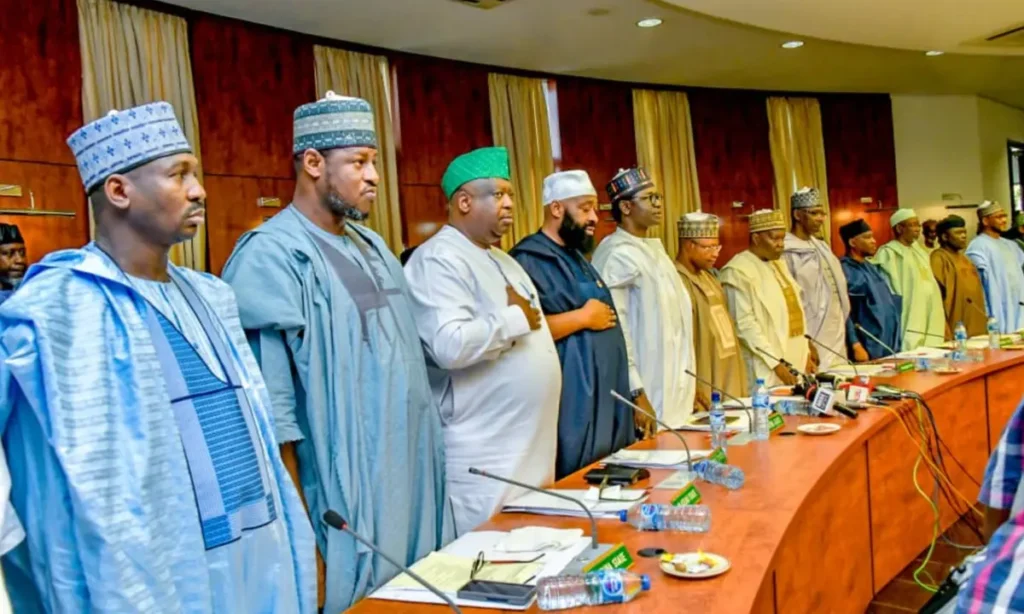
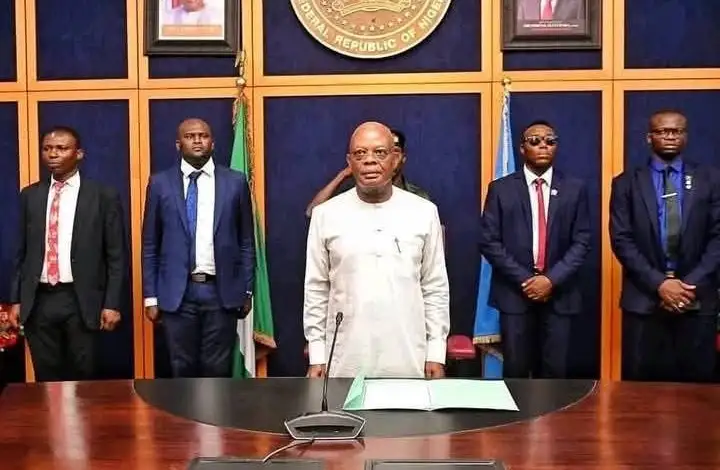
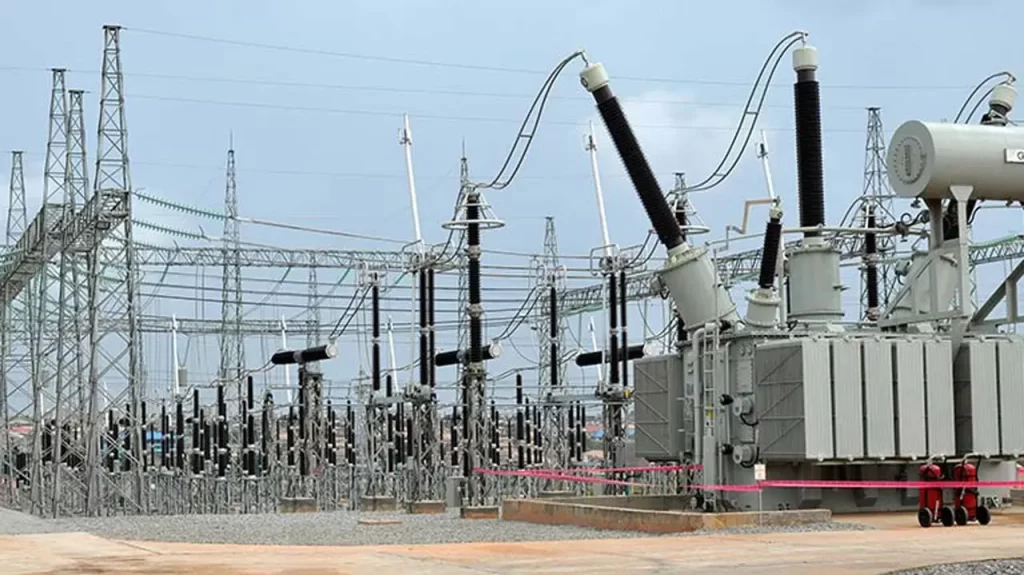
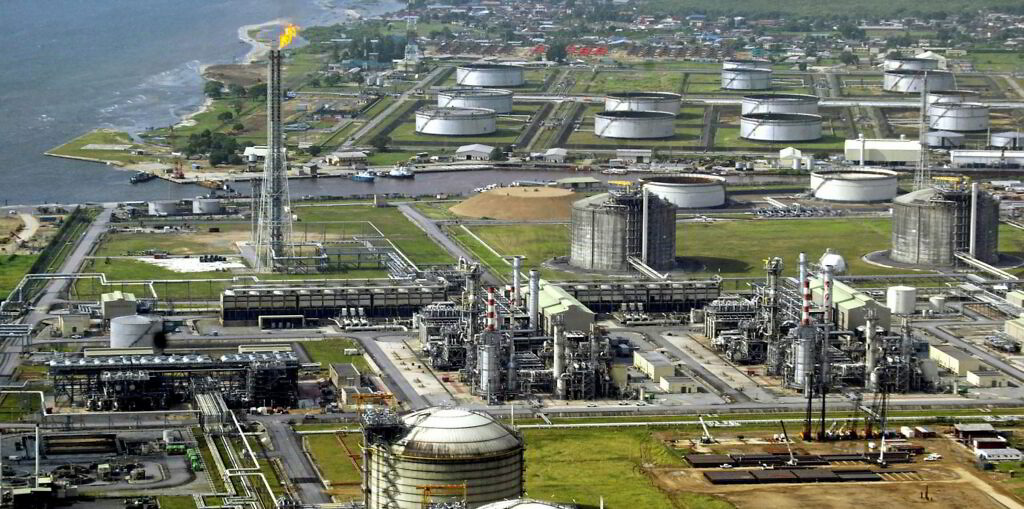
The Senate, during its recent session, established an ad-hoc committee to conduct an investigation into the Nigerian National Petroleum Company Limited (NNPCL). This investigation will focus on the expenditure of N11.35 trillion over the past 13 years on the Turn Around Maintenance (TAM) of the country’s inactive refineries.
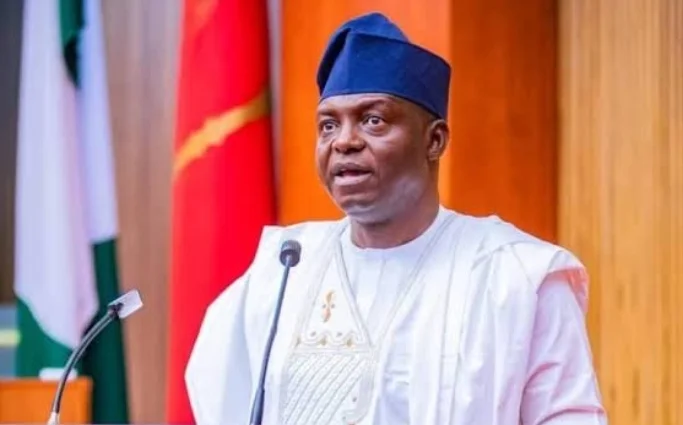
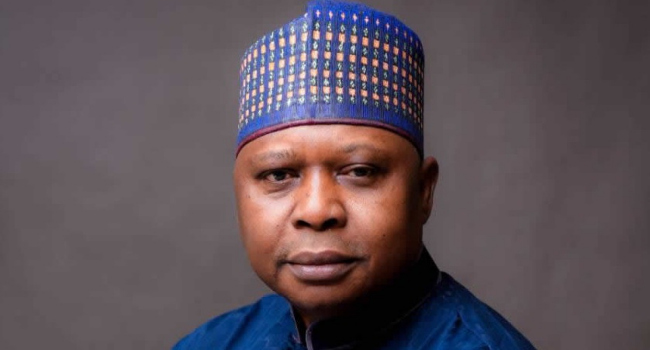
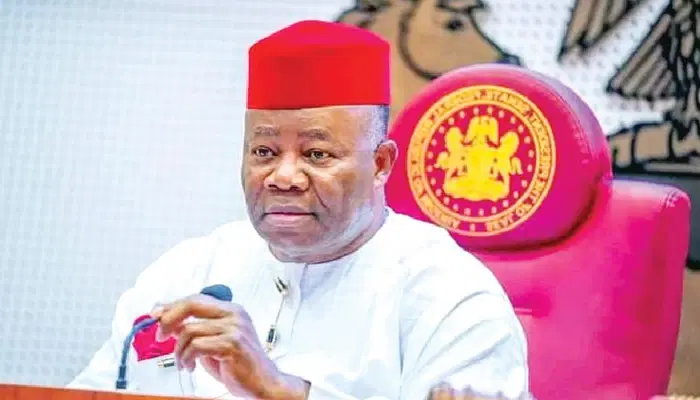
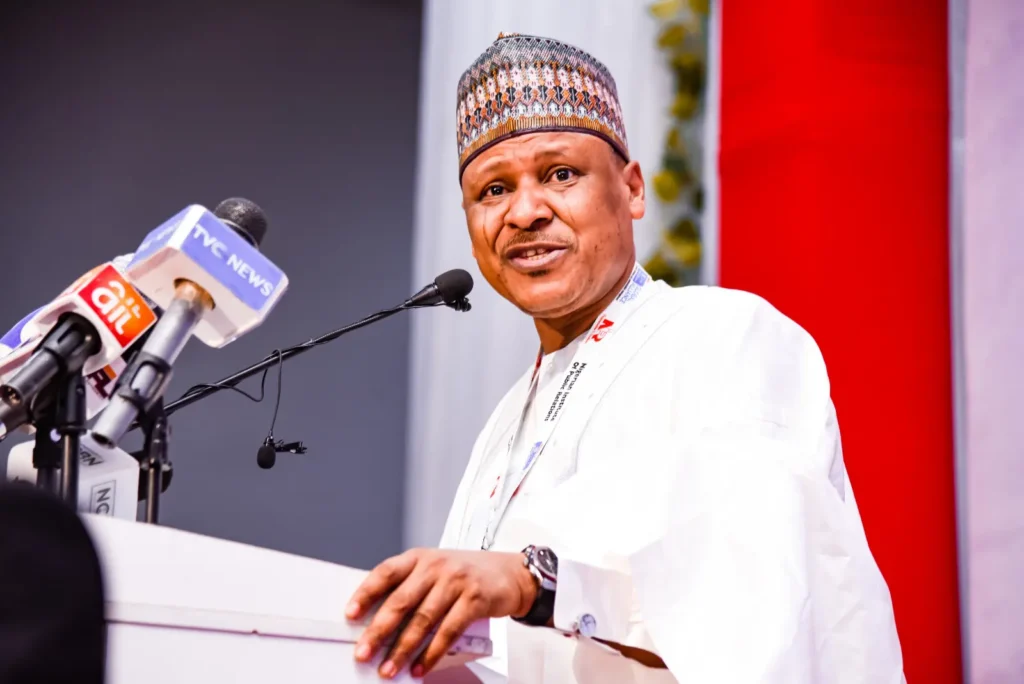
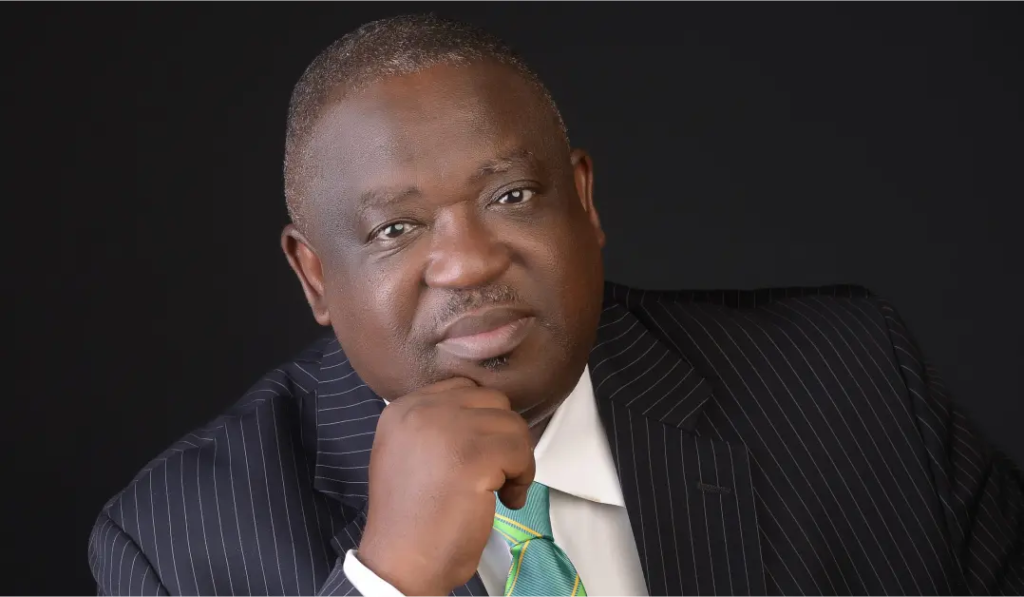
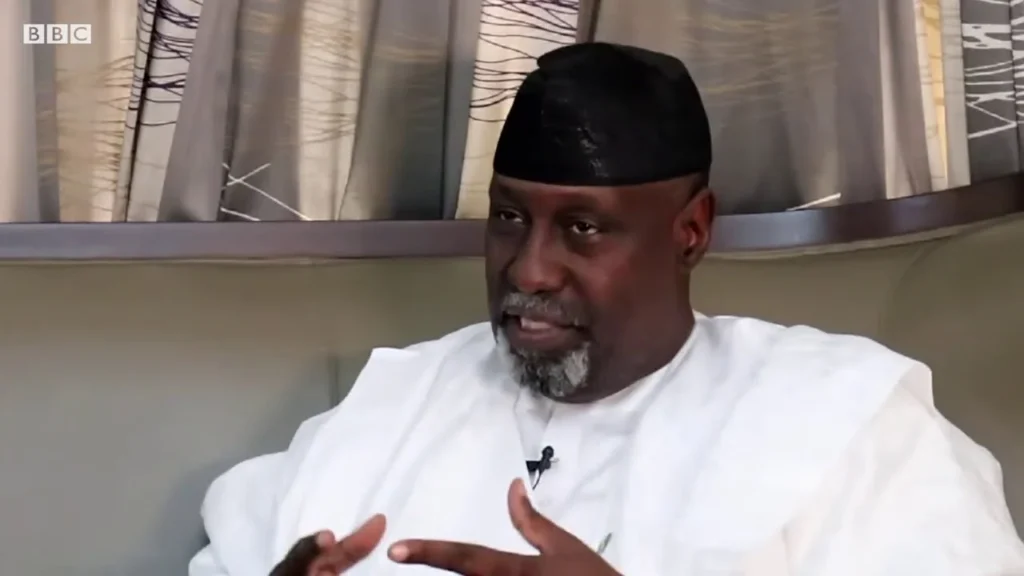
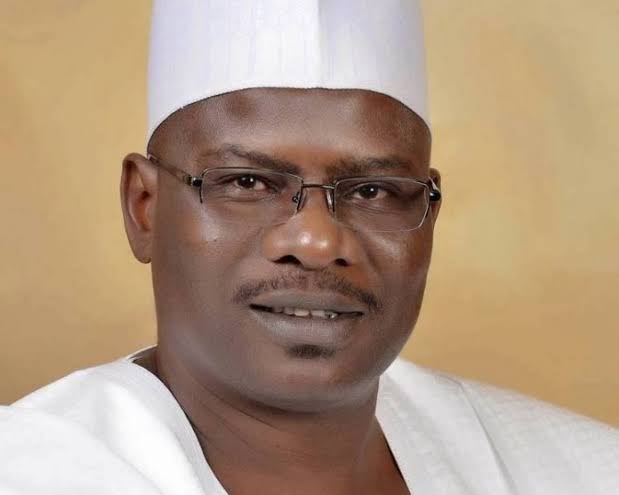
Deputy President of the Senate, Jibrin Barau, announced the formation of this panel during the session. The decision was made after extensive discussions on a motion presented by Senator Sunday Karimi of Kogi West. The motion emphasized the urgency of investigating the various TAM projects at Nigerian refineries to uncover any wastage of public resources.
The ad-hoc committee’s responsibilities include examining all contracts related to the rehabilitation of state-owned refineries, assessing the progress of ongoing work in these refineries to prevent further wastage and corruption, and engaging with relevant bodies such as the Federal Ministry of Petroleum Resources, the Nigerian Upstream Petroleum Regulatory Commission (NUPRC), NNPCL, and the Bureau of Public Enterprises to explore strategies for commercializing and ensuring the profitability of state-owned refineries.
Furthermore, the Senate mandated the committee to invite representatives from the NNPCL, NUPRC, and the Nigerian Liquefied Natural Gas to discuss the country’s preparations for transitioning to green energy sources in alignment with the Paris Agreement on Climate Change.
The ad-hoc committee will collaborate with the Senate Committee on Petroleum Resources (Downstream) to conduct this investigation, and a report is expected within four weeks.
Senator Karimi, in his motion, expressed concern about the significant financial resources spent on refinery renovations and the resulting lack of productivity. He explained that between 2010 and the present, an estimated N11.35 trillion had been expended on the refineries, without yielding the expected results. Despite the considerable investment, the refineries were projected to incur substantial losses over a four-year period.
In defense of the Senate’s recent purchase of 360 sport utility vehicles (SUVs), Senator Karimi argued that the cost was influenced by the Senate’s outstanding debt to suppliers dating back to the 7th, 8th, and 9th Assemblies. He emphasized that these vehicles were chosen for their durability and suitability for Nigeria’s challenging road conditions. Additionally, he urged Nigerians to scrutinize government officials at all levels, including ministers and state assembly lawmakers, who also use multiple official vehicles.