

















































































































































































































































































































































































































































































































































































































































Petrol Price Rises Again as NNPCL Outlets Sell at ₦1,025 per Litre in Lagos

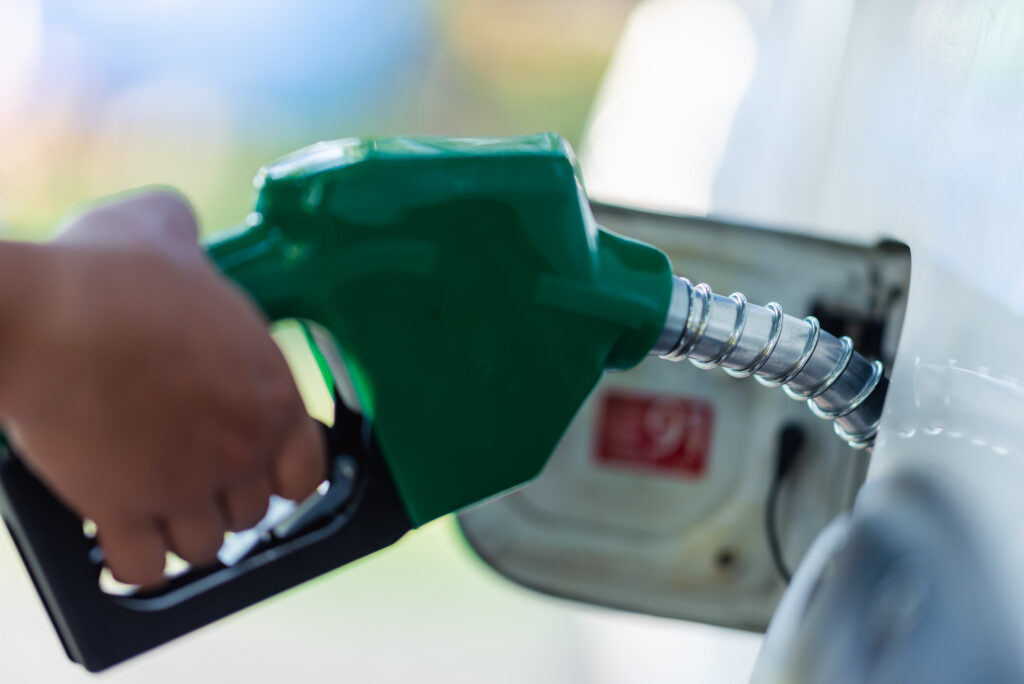
Less than a month after increasing petrol prices, retail outlets owned by the Nigerian National Petroleum Company Limited (NNPCL) raised the pump price of petrol from ₦998 to ₦1,025 per litre in Lagos on Tuesday.
Channels Television observed that several NNPCL outlets across Lagos were selling petrol at the new price of ₦1,025, compared to the previous ₦998 charged between October 9 and October 28. This represents an increase of ₦28 per litre.
During visits to six NNPCL outlets, Channels Television noted that many stations were not selling petrol, citing a lack of stock. At the few outlets selling the commodity, the price was set at ₦1,025 per litre, while independent marketers offered it at rates as high as ₦1,100 per litre.
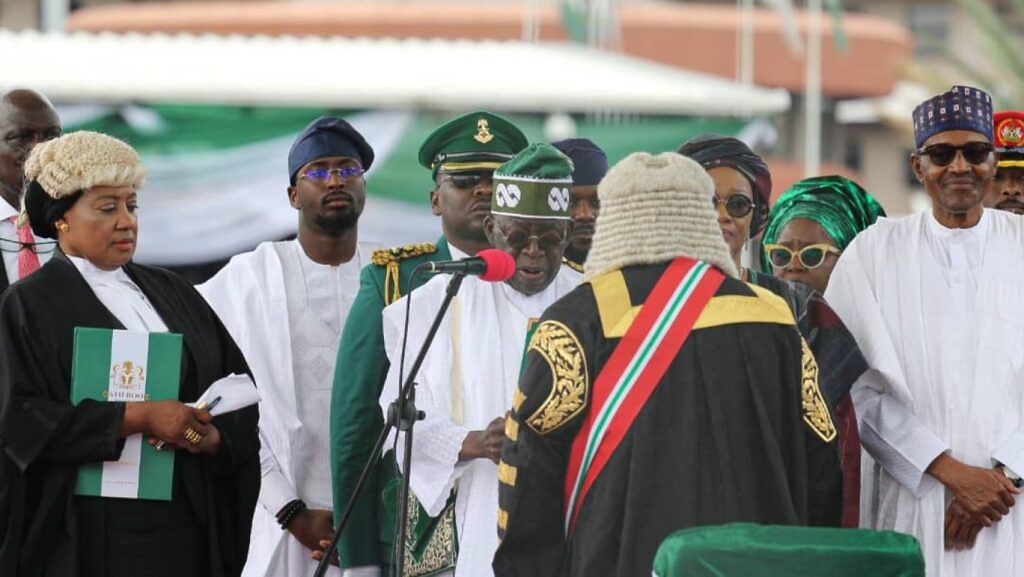
The price hike follows an earlier increase on October 9, when NNPCL raised prices from ₦855 to ₦998. Prior to that, on September 2, the company had raised prices from ₦568 to ₦855, causing public uproar. Since the “Subsidy is gone” declaration by President Tinubu in May 2023, the NNPCL has steadily raised petrol prices in Lagos from ₦184 per litre to the current ₦1,025 per litre.
NNPCL has yet to issue an official statement on the latest price increase. However, the company hinted at a possible adjustment when it began loading petrol from the Dangote Refinery in mid-September. At that time, NNPCL claimed it obtained petrol at ₦898 per litre from the refinery, intending to sell it for ₦950 in Lagos and ₦1,019 in Borno State.
Dangote Refinery disputed the ₦898 per litre sale price, but NNPCL insisted it was correct and challenged the refinery to release its pricing. NNPCL subsequently published a breakdown of its petrol pricing nationwide.
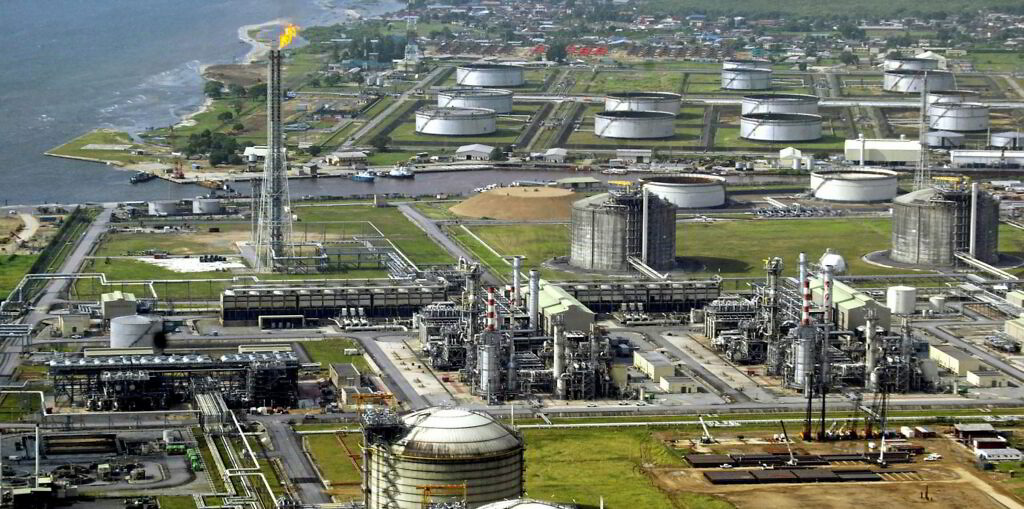
Dangote’s $20 billion refinery, located in Lagos, commenced operations last December with an initial capacity of 350,000 barrels per day. Following regulatory challenges, it aims to reach its full capacity of 650,000 barrels per day by year-end. The refinery has already started supplying diesel and aviation fuel and is now delivering petrol.
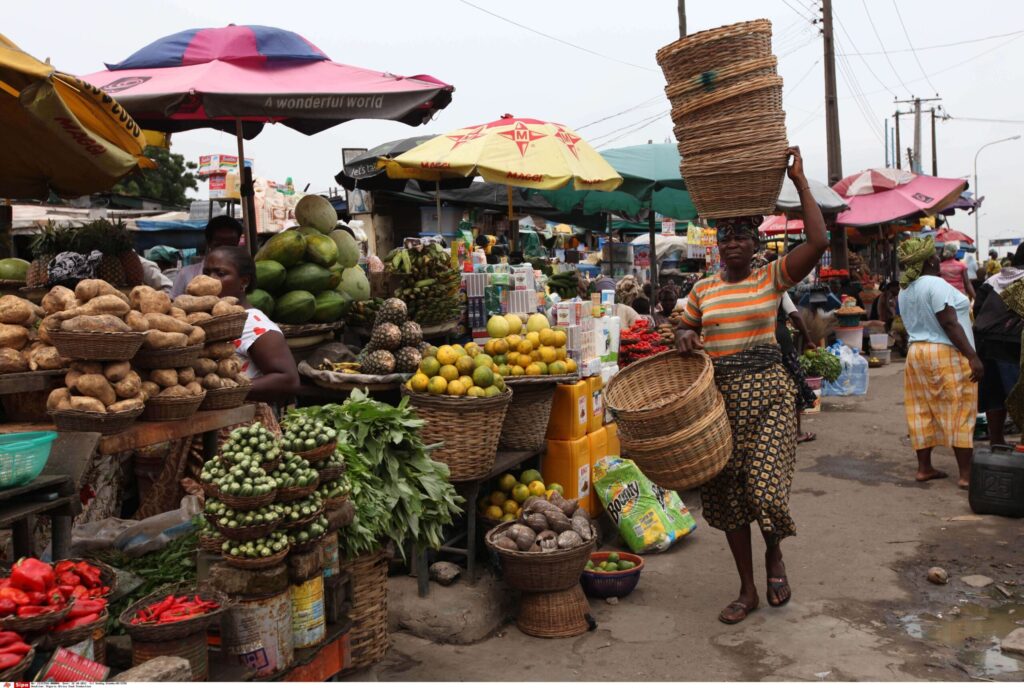
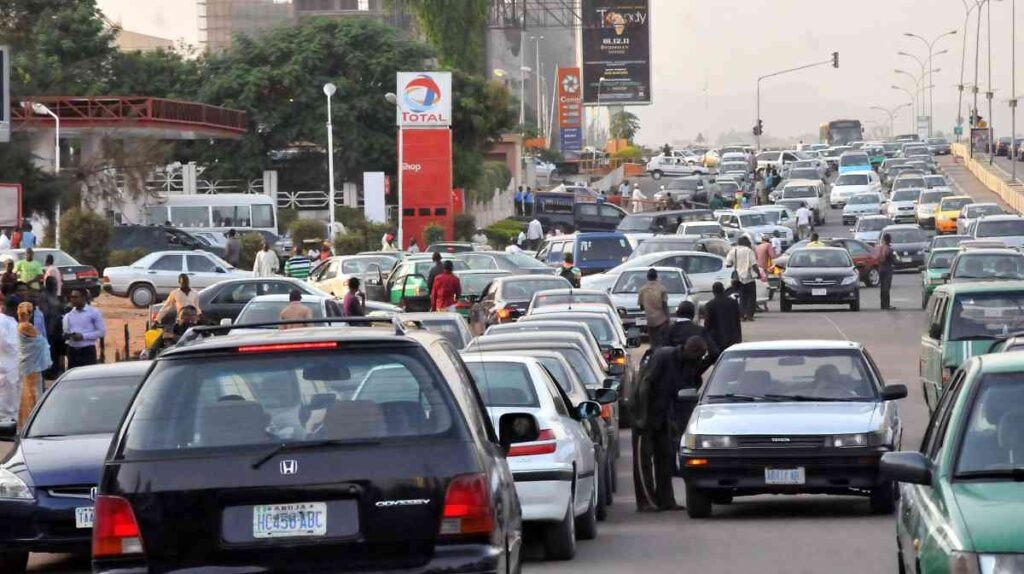
Nigeria, Africa’s most populous nation, continues to grapple with energy challenges, relying heavily on imported refined petroleum products due to its non-operational state-owned refineries. Long fuel queues are a frequent sight, and since the removal of subsidies in May 2023, petrol prices have surged from around ₦200 per litre to over ₦1,000 per litre. This has further strained Nigerians who rely on petrol to power their vehicles and generators amidst chronic electricity shortages.