










































































































































































































































































































































































































































































































































































































































































































NNPC Ends Fuel Imports, Focuses on Dangote Refinery to Meet Local Demand


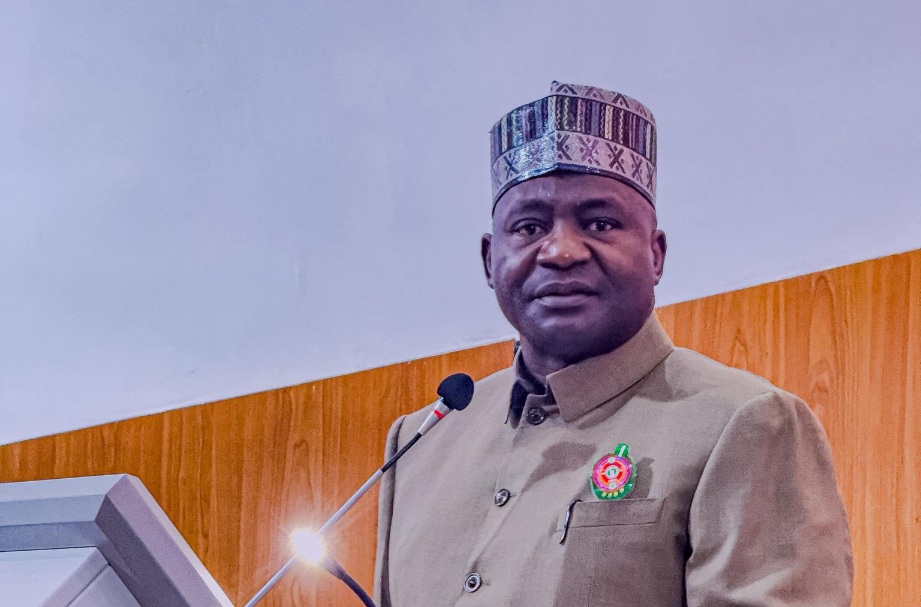
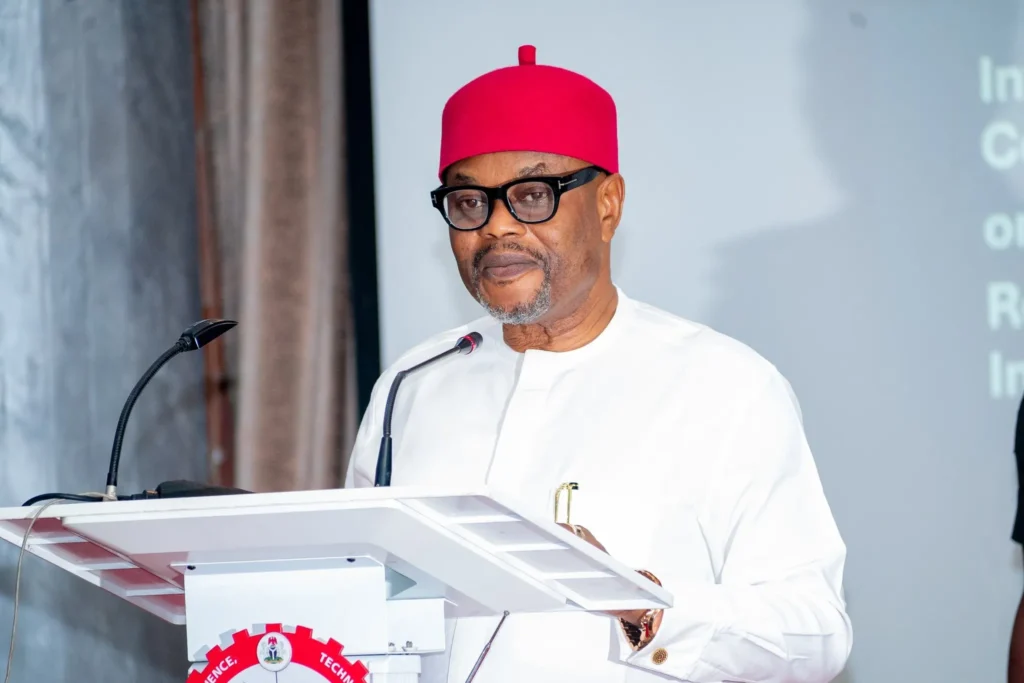
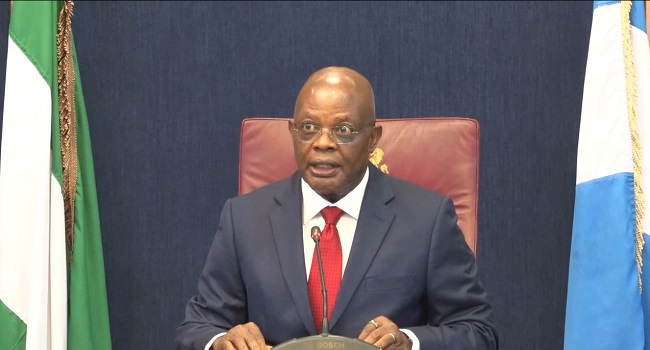
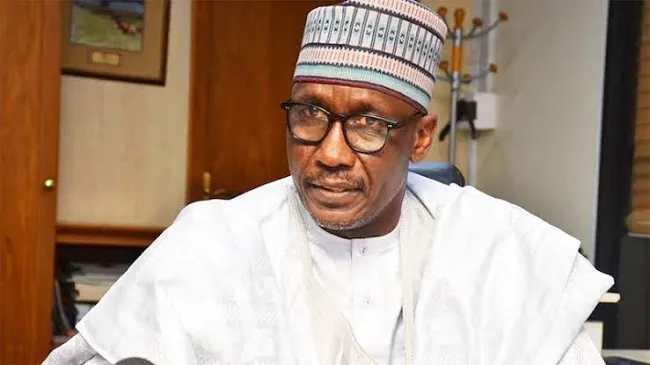
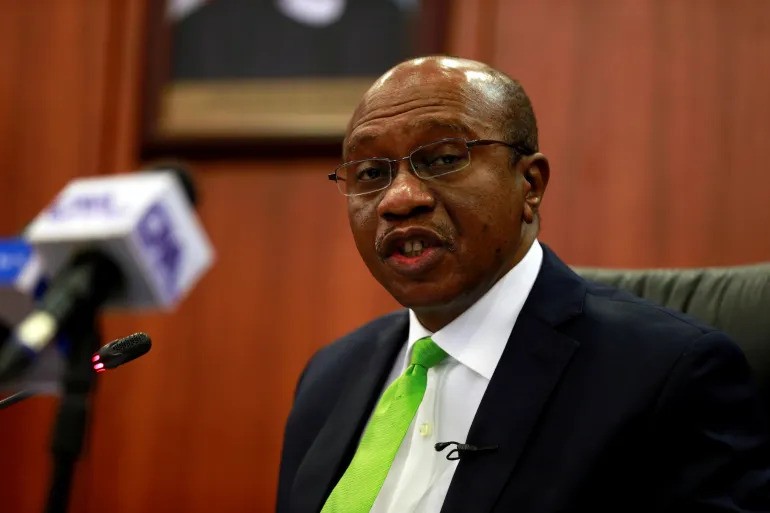
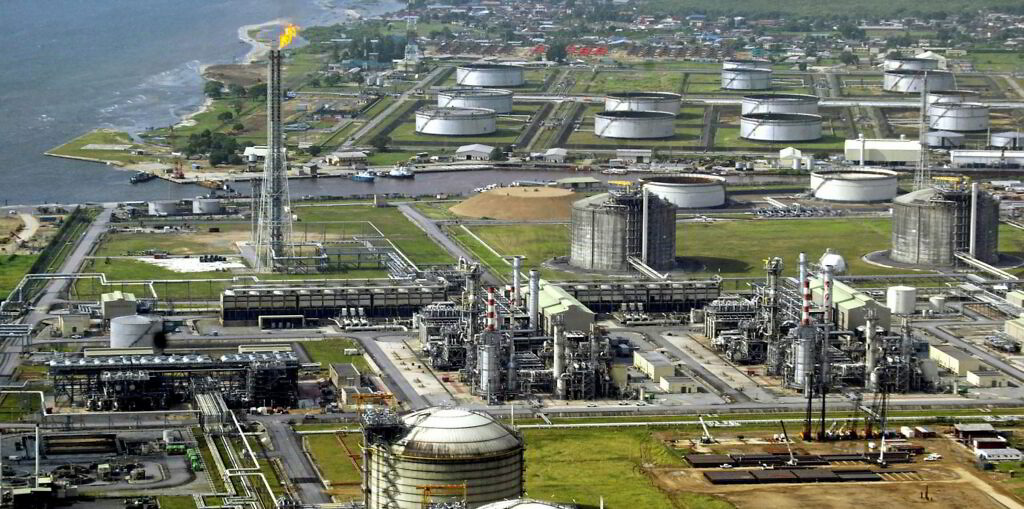
The Nigerian National Petroleum Company Limited (NNPC) announced an end to decades of fuel importation, declaring its shift to sourcing all petroleum products domestically from the 650,000 barrels per day Dangote Refinery in Lagos. The move, expected to save Nigeria approximately $10 billion annually, was announced by NNPC’s Group Chief Executive Officer, Mele Kyari, at the 42nd annual conference of the Nigerian Association of Petroleum Explorationists (NAPE).
This shift coincides with a new agreement between IPMAN and Dangote Refinery, allowing independent marketers to obtain fuel directly from the refinery rather than through NNPC—a system they had long opposed. Citing provisions in the Petroleum Industry Act (PIA) 2021, Kyari emphasised that oil producers in Nigeria are now required to supply crude to domestic refineries, including the four NNPC-owned plants when operational.
Kyari noted that as a co-investor in the $20 billion Dangote Refinery, NNPC identified a stable domestic market for 300,000 barrels per day of its production, thus mitigating risks in an increasingly competitive global oil market. He refuted claims that NNPC was obstructing local refineries, asserting that NNPC is committed to supplying crude oil domestically as part of a strategic business decision.
In response to concerns over pricing and foreign exchange, Kyari assured that sourcing crude in naira would not diminish its value, as the shift is intended to bolster the local economy by eliminating currency conversion costs. He affirmed that NNPC had completely ceased fuel imports, relying exclusively on domestic refinery output.
Kyari also called on other oil producers to comply with the Domestic Crude Oil Obligation (DCOO) set forth by the PIA, clarifying that all producers, not just NNPC, must contribute to the supply of crude oil to local refineries.
On the push for increased gas usage, Kyari mentioned NNPC’s progress towards establishing a nationwide CNG infrastructure, with 12 CNG stations projected to open by the first quarter of 2025. Additionally, NNPC is developing a mini LNG plant to support the CNG initiative and supply gas for industrial and power generation needs.
Meanwhile, Nigerian Upstream Petroleum Regulatory Commission (NUPRC) Chief Executive Gbenga Komolafe announced that Nigeria’s oil production has reached 1.8 million barrels per day and is expected to rise to 2 million bpd by year’s end. The NUPRC is also advancing the Project 1 Million BPD to boost production within 12-24 months, supporting President Bola Tinubu’s ambitious oil and gas agenda.
Komolafe addressed concerns about International Oil Companies (IOCs) allegedly withdrawing from Nigeria, stating that these companies are merely restructuring portfolios amid the shifting energy landscape. He confirmed that the NUPRC’s ongoing auction of 31 oil blocks is progressing smoothly.
The Nigerian Content Development and Monitoring Board (NCDMB) Executive Secretary, Felix Ogbe, further shared the agency’s goal to achieve 70% local content retention by 2027, with faster approval cycles and stricter adherence to local content mandates.
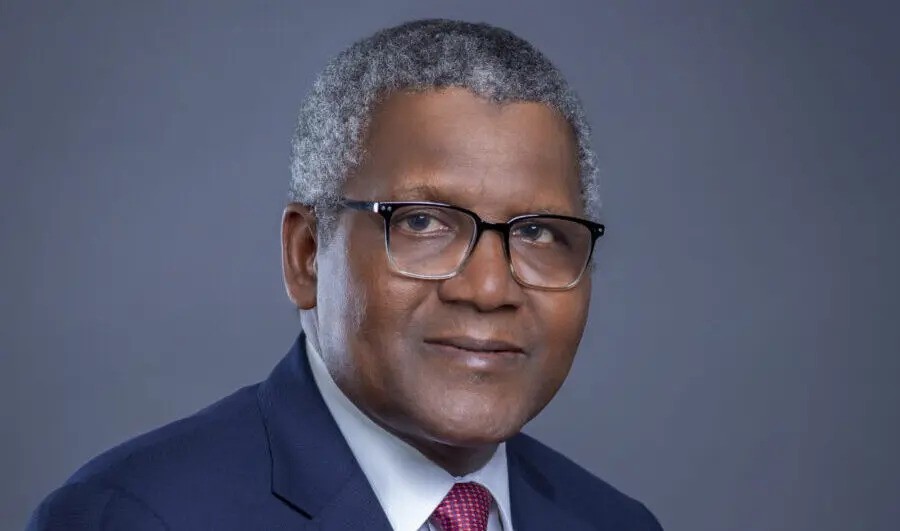
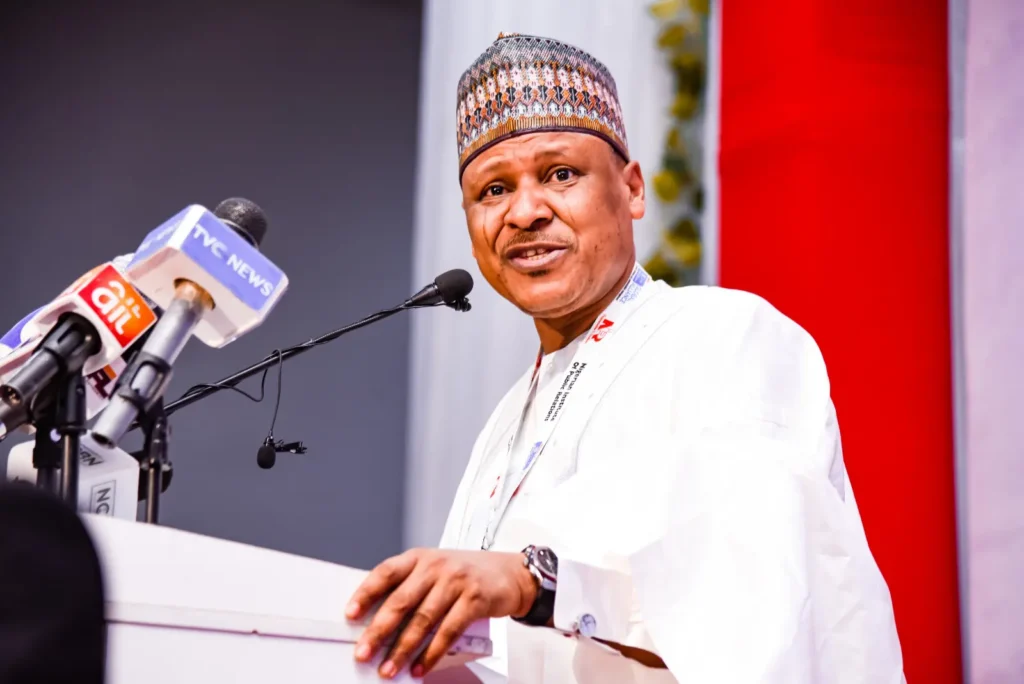
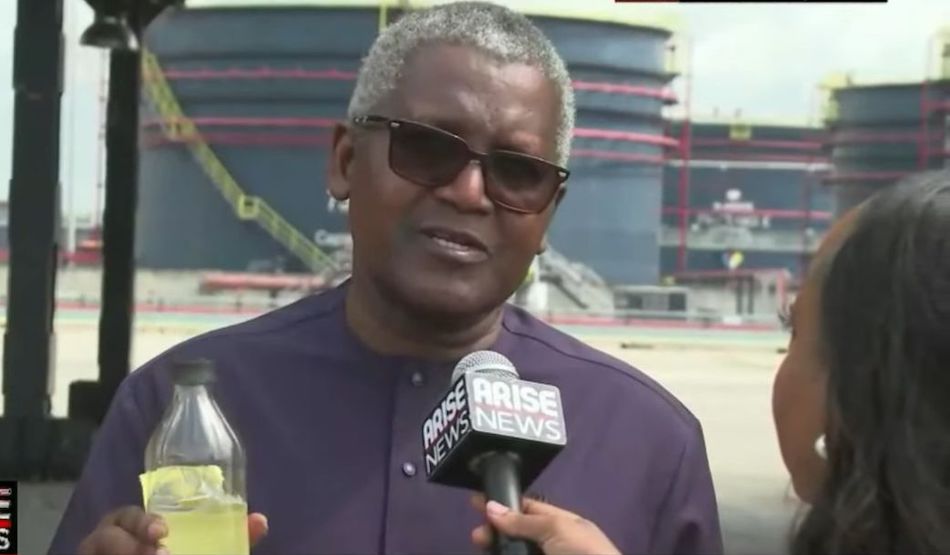
In related news, following discussions with Aliko Dangote and his team, IPMAN President Abubakar Shettima announced that Dangote Refinery will now directly supply petrol, diesel, and kerosene to IPMAN depots and outlets. Shettima urged IPMAN members to support Dangote Refinery, noting that this arrangement would not only improve product availability nationwide but also contribute to economic growth and job creation.
Shettima also encouraged IPMAN members to prepare for the federal government’s CNG initiative, calling for strategic partnerships to ensure access to CNG outlets. He affirmed IPMAN’s commitment to supporting the CNG rollout, seeing it as essential to Nigeria’s economic revitalisation.

