

















































































































































































































































































































































































































































































































































































Jonathan: Yar’Adua’s Aide Withheld Power Transfer Letter, Causing Crisis


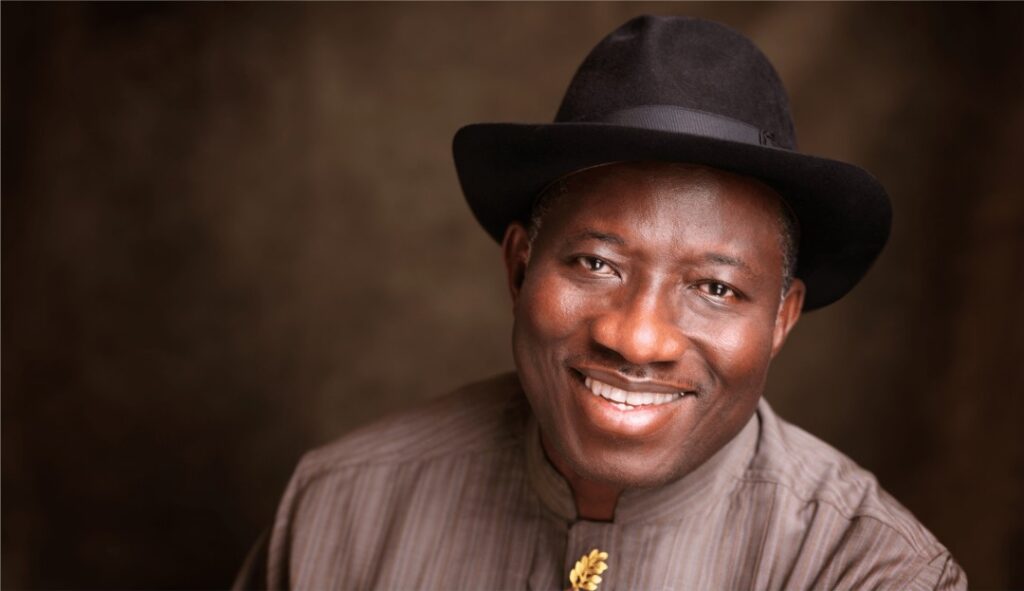
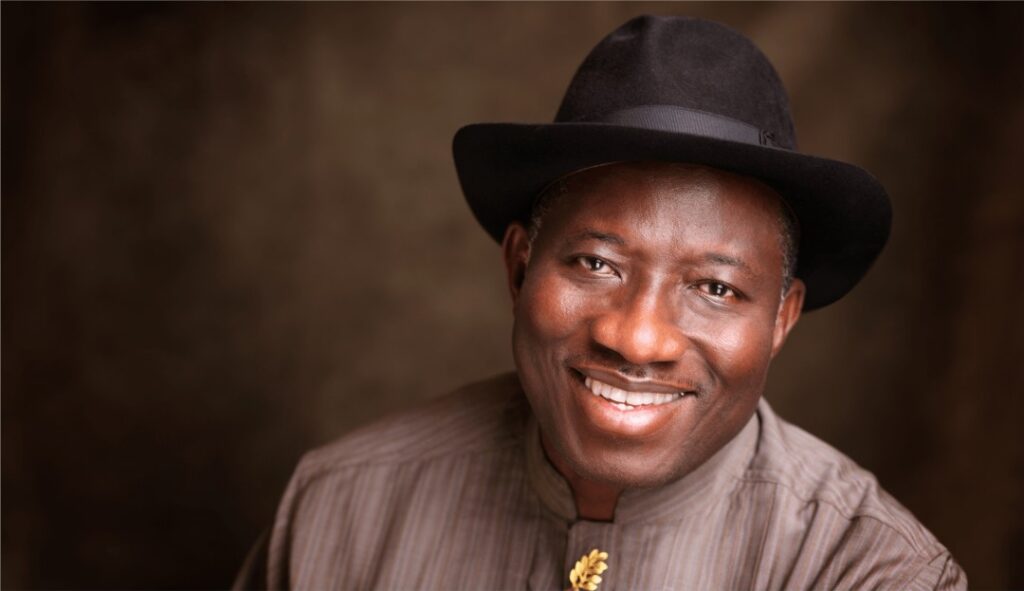
Former President Goodluck Jonathan has revealed that a senior aide to the late President Umaru Musa Yar’Adua deliberately withheld a letter authorising him to act as president during Yar’Adua’s prolonged illness.
Jonathan made the disclosure during an interview on Talking Books Africa, a programme by the Rainbow Book Club, which trended across social media on Saturday.
He explained that President Yar’Adua had indeed written a formal letter handing over power to him in 2010, before travelling abroad for medical treatment. However, the unnamed aide entrusted with delivering the letter to the National Assembly failed to do so, plunging the country into a constitutional crisis.
“Many people believed that no letter was written. But a letter was written. The aide who received it refused to submit it,” Jonathan said.
The situation, he added, left Nigeria without an acting president or commander-in-chief for months. While he could preside over Federal Executive Council meetings and approve memos, he lacked the legal authority to function as commander-in-chief without a formal handover.
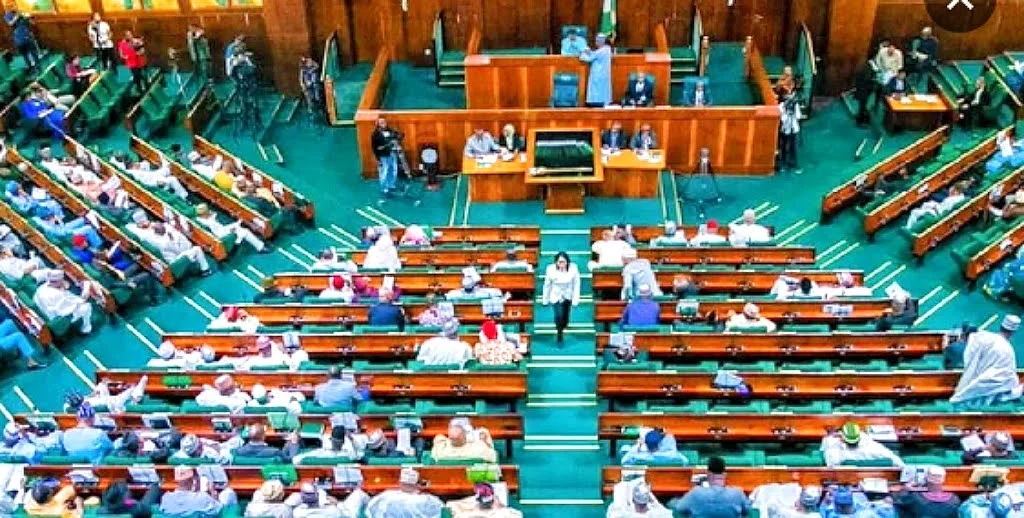
The crisis ultimately prompted the National Assembly to invoke the “doctrine of necessity,” empowering him to act as president without an official transmission letter.
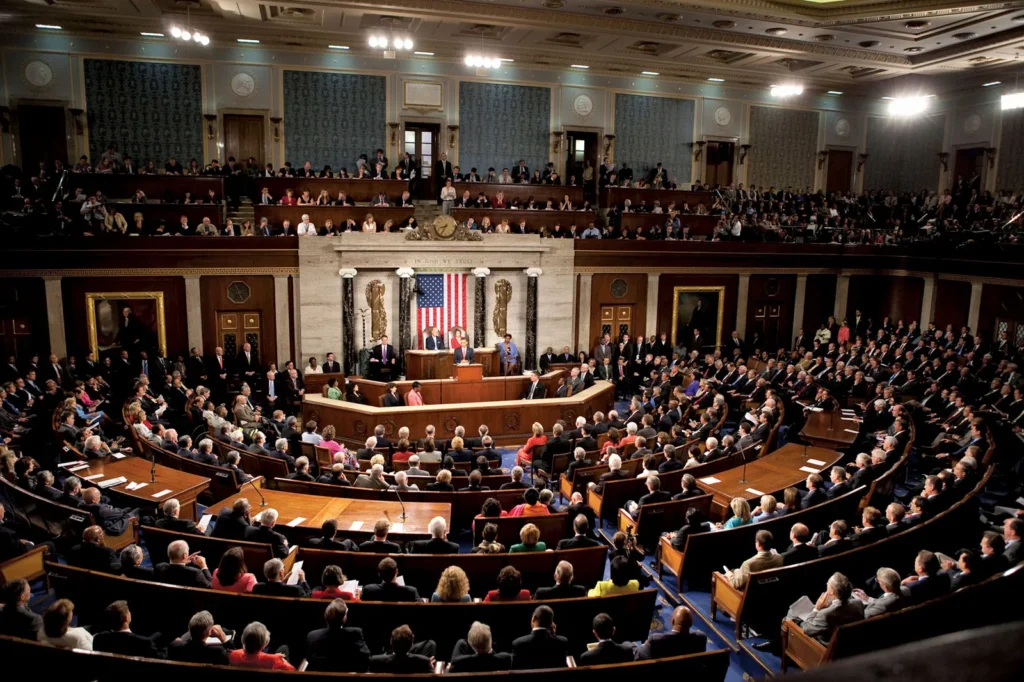
Drawing comparisons with the United States, Jonathan noted that such gaps in presidential succession would be unacceptable in more established democracies.
Reflecting on the political sensitivities of the time, he said: “There’s always a balancing between North and South, Muslims and Christians. Yar’Adua was a Northern Muslim who succeeded a Southern Christian, Obasanjo. There was pressure for him to complete eight years before power could return to the South. His health issues disrupted that expectation.”
Jonathan also criticised Nigeria’s enduring divisions along tribal and religious lines, which he said continue to undermine leadership recruitment.
“Young people must understand that the emphasis on tribe and religion is a major setback. It distorts our ability to choose the most competent leaders,” he said.
He cited cases where political appointments were influenced by ethnic considerations, even when more qualified candidates were available.
“In some states, certain zones are denied the chance to produce a governor. And when someone wants to run for office, the first questions are often about religion or ethnicity. This entrenched system prevents us from getting the best leaders,” Jonathan lamented.
Jonathan eventually completed Yar’Adua’s term after the latter’s death in May 2010 and won the 2011 presidential election.

