







































































































































































































































































































































































































































































































































































































































































































































































FG Sets 16 as Admission Age, Declares Admissions Outside CAPS Illegal


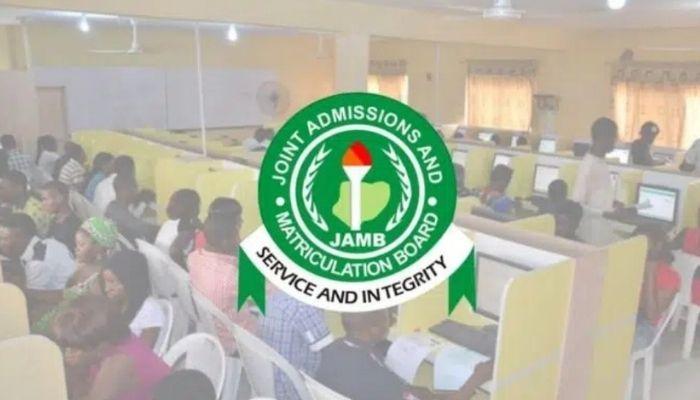
The Federal Government has formally set 16 years as the minimum age for admission into tertiary institutions and declared any admission conducted outside the Central Admissions Processing System (CAPS) as illegal.
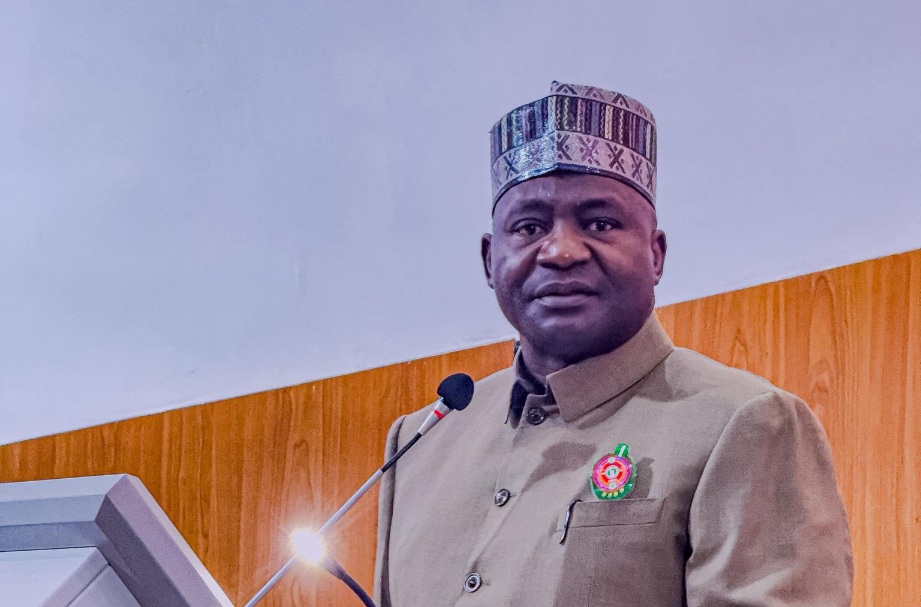
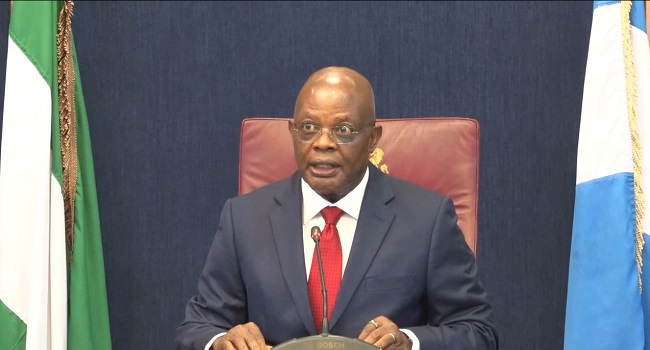
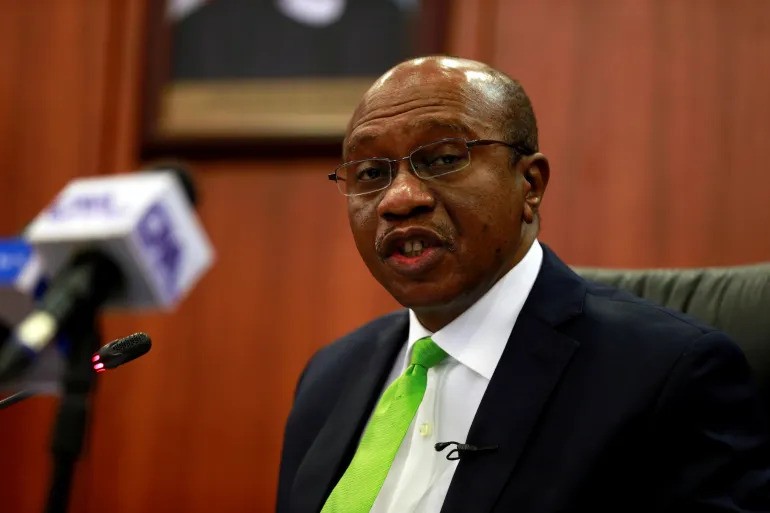
Minister of Education, Dr Tunji Alausa, announced these policy directives in Abuja on Tuesday at the 2025 policy meeting of the Joint Admissions and Matriculation Board (JAMB).
“This policy decision reflects a balance between cognitive maturity and academic preparedness. Sixteen years is non-negotiable,” the Minister said.
He clarified that exceptions would be permitted only in clearly documented cases of gifted children who have made accelerated academic progress. However, he warned institutions against altering applicants’ age records to bypass the policy, stressing that such acts would attract sanctions.
In a related development, Dr Alausa declared that all admissions into universities, polytechnics, and colleges of education must go through the CAPS platform. He warned that institutions and individuals involved in any admissions conducted outside the system would face severe penalties.
“Any admission conducted outside CAPS, regardless of its intentions, is illegal. Both institutions and the candidates involved will be held accountable,” he said.
The Minister listed possible sanctions to include withdrawal of institutional assets and prosecution of culpable officers or members of governing councils.
CAPS, introduced in 2017, automates the admissions process to reduce human interference and administrative bottlenecks, while enhancing transparency and fairness.
Dr Alausa reaffirmed that although academic boards of institutions are responsible for initiating admissions, JAMB, as the statutory regulatory body, must validate all offers to ensure compliance with national standards.
He also restated the Federal Government’s commitment to transparency and accountability in the tertiary admissions process. As part of this commitment, he confirmed that the integration of the National Identification Number (NIN) into the JAMB registration process remains compulsory.
“The NIN requirement has proven vital in safeguarding the integrity of our admission system by curbing identity fraud and multiple registrations. Any abuse of the NIN system will be identified and punished,” he said.
The Minister further unveiled new measures to address the growing menace of examination malpractice, which he described as a “cancer” eroding merit and public confidence in Nigeria’s education system.
He announced the establishment of a Central Examination Malpractice Unit within the Federal Ministry of Education. The unit, to be chaired by the Permanent Secretary, Abel Enitan, will serve as a national clearing house for reporting and tracking malpractice cases across all levels of education.
“This central database will be accessible to all institutions. It is our hope that this will deter future malpractice, as offenders will be tried under the Examination Malpractices Act,” he said.
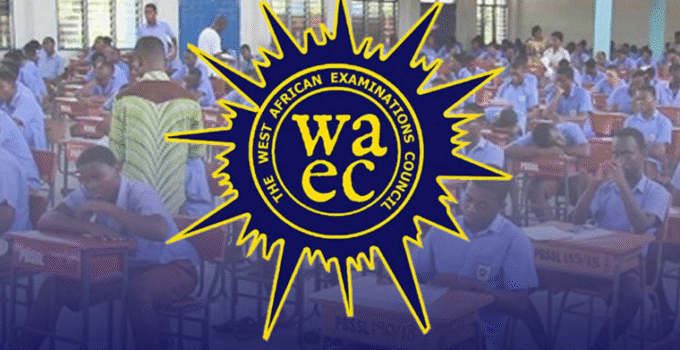
In support of broader reform efforts, Dr. Alausa confirmed the Federal Government’s backing for the West African Examinations Council (WAEC) and the National Examinations Council (NECO) to adopt computer-based testing as a long-term strategy to reduce malpractice.
Addressing structural inefficiencies in the admissions process, the Minister presented data revealing a persistent mismatch between institutional capacity and actual student intake, particularly in agriculture, education, engineering, and the health sciences.
“We have capacity, but we are not admitting enough students. The problem is not access—it’s alignment and utilisation,” he noted.
He criticised the proliferation of underutilised institutions, revealing that over 120 universities received fewer than 50 applications in the current admission cycle. He urged a shift in focus from establishing new institutions in every community to expanding and strengthening the capacity of existing ones.
“We don’t need to open a university in every ward. What we need is consolidation and effective utilisation,” he said.
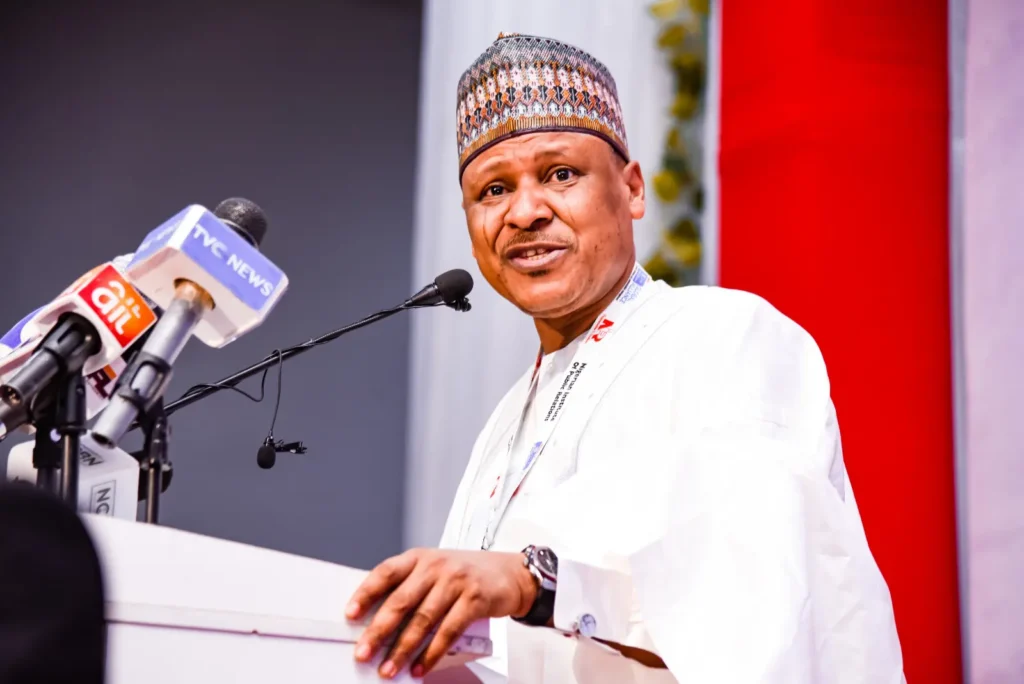
Also speaking at the meeting, Chairman of the Senate Committee on ICT and Cybersecurity, Senator Shuaib Salisu, called for the criminalisation of fraudulent admissions and stricter penalties for institutions that undermine the integrity of the admissions process.
Salisu warned against practices that lead students into pursuing illegitimate admissions for years, stressing the need to hold institutional administrators accountable. He assured that the Senate Committee would explore legislative measures to tackle such abuses.
He also advocated for an inclusive education system that fosters national unity and economic development.

