






















































































































































































































































































































































































































































































































































































Fayose Cleared of ₦6.9bn Fraud as Court Dismisses EFCC Case


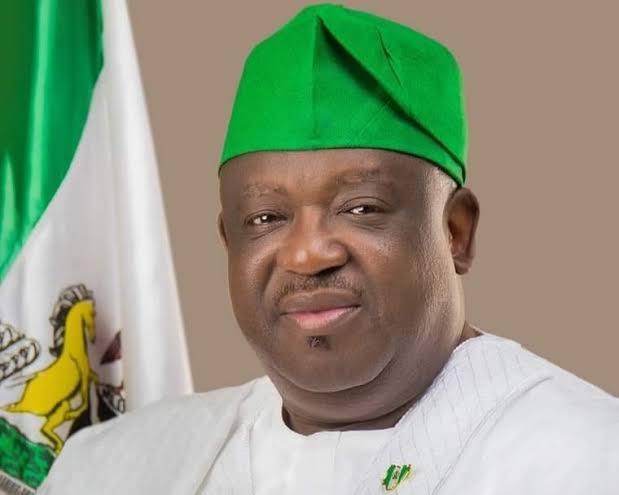
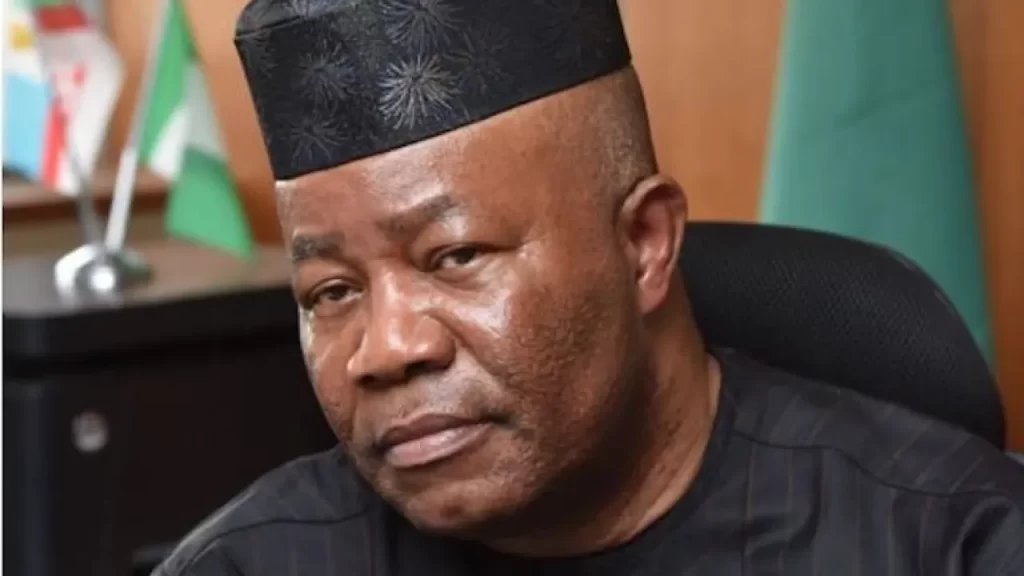
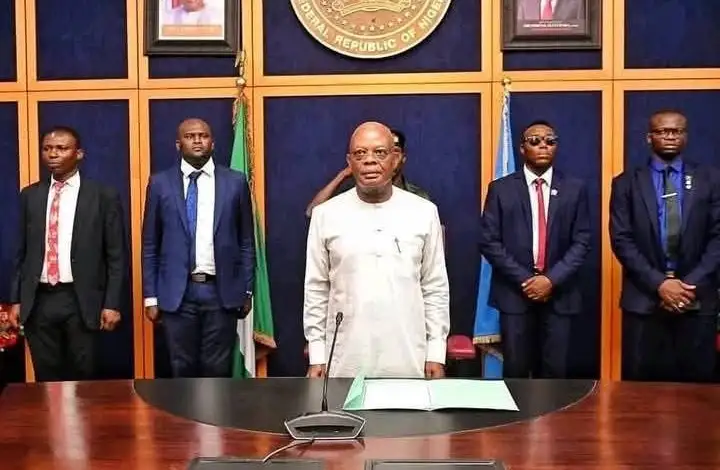
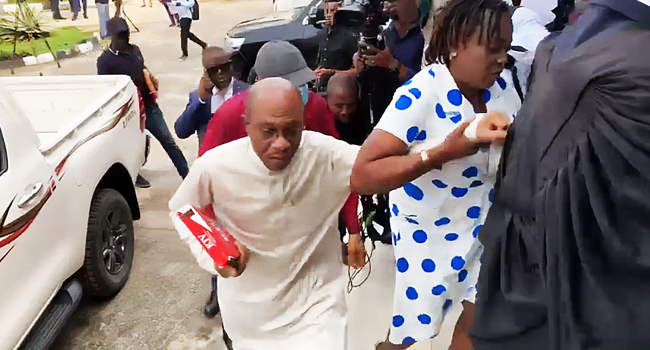
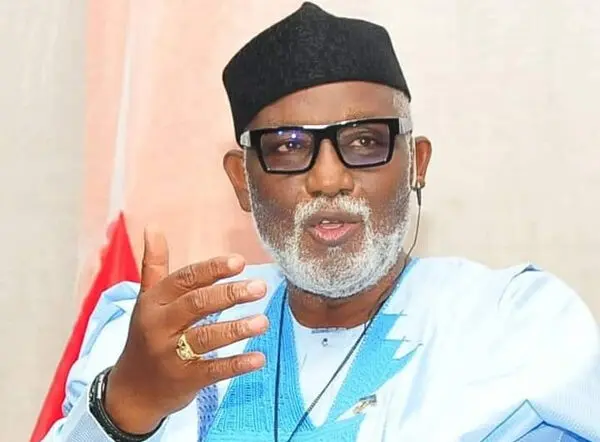
Former Ekiti State Governor Ayodele Fayose has been acquitted of all charges relating to an alleged ₦6.9 billion fraud, following a ruling by the Federal High Court in Lagos.
Delivering judgment on Wednesday, Justice Chukwujekwu Aneke upheld Fayose’s no-case submission, concluding that the Economic and Financial Crimes Commission (EFCC) failed to present sufficient evidence for the court to require a defence.
“The testimonies of prosecution witnesses lacked probative value and were riddled with inconsistencies. The court cannot rely on such evidence to establish a prima facie case,” the judge stated.
Fayose, along with his company Spotless Investment Ltd, had been standing trial since 2018 on an 11-count charge bordering on money laundering, theft, and breach of trust. The case stemmed from funds allegedly diverted from the Office of the former National Security Adviser, Col. Sambo Dasuki (retd.), in the run-up to the 2014 Ekiti governorship election.
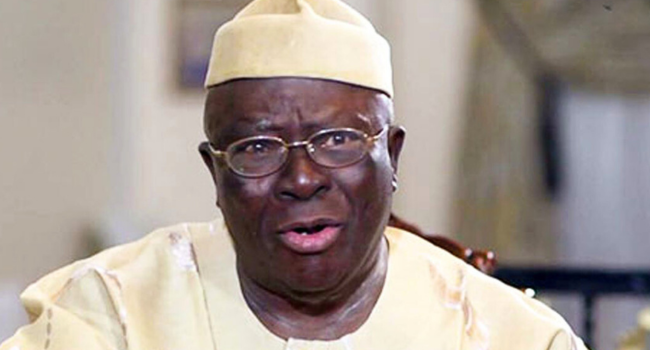
Lead defence counsel, Chief Kanu Agabi, SAN, argued that the prosecution failed to establish any of the elements required to support the charges. He noted that key figures—such as Abiodun Agbele, who allegedly handled the funds—were not charged, weakening the case.
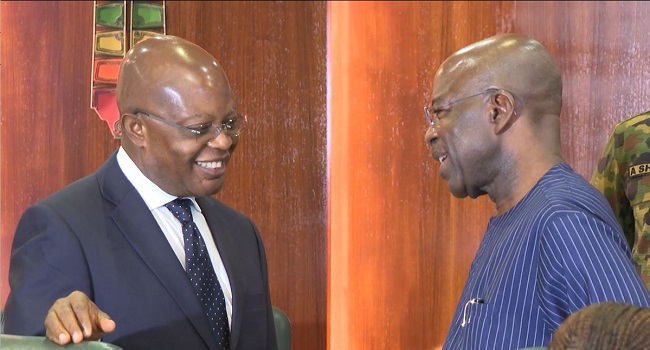
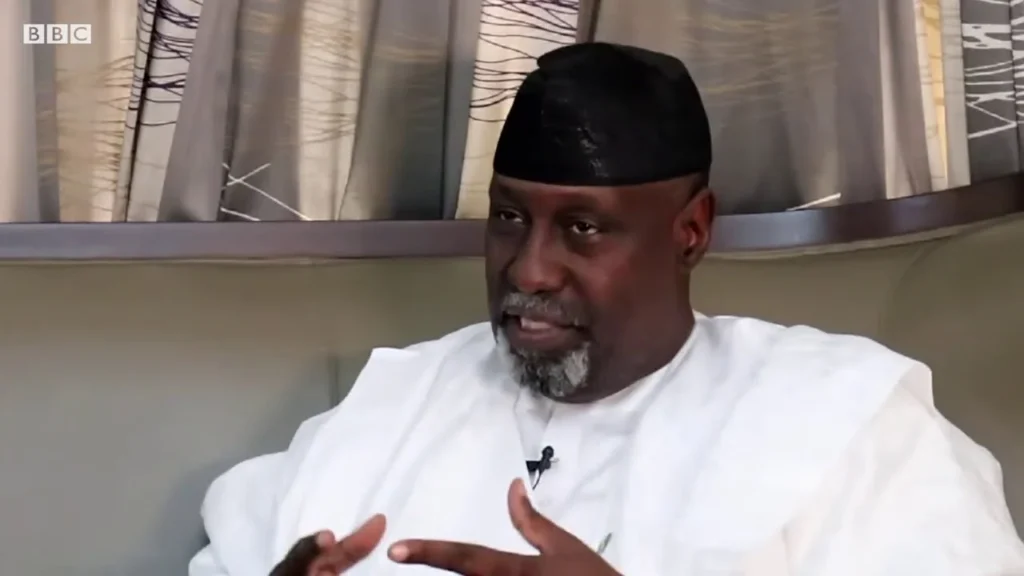
Similarly, counsel for Spotless Investment, Olalekan Ojo, SAN, highlighted flaws in the testimony of former Defence Minister Musiliu Obanikoro, who admitted under cross-examination that there was no direct communication between Fayose and Dasuki.
EFCC counsel Rotimi Jacobs, SAN, had urged the court to reject the no-case submission, insisting that Fayose should explain the alleged $5 million cash deliveries and property acquisitions made through proxies.
The EFCC had accused Fayose of receiving ₦1.2 billion in cash for his campaign and laundering the funds through companies such as De Privateer Ltd and Still Earth Ltd—actions deemed to violate the Money Laundering (Prohibition) Act, 2011.
However, the court found that the prosecution’s evidence lacked credibility and coherence. The case, originally filed in 2018 before Justice Mojisola Olatoregun, was later reassigned to Justice Aneke. The EFCC had pursued the trial as part of its broader investigations into disbursements from the Dasuki-led NSA office.

