











































































































































































































































































































































































































































































































































































Eminent Patriots Demand New Constitution, State Police, Fiscal Federalism


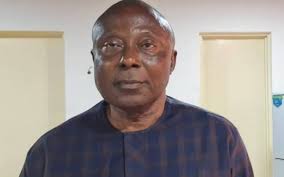
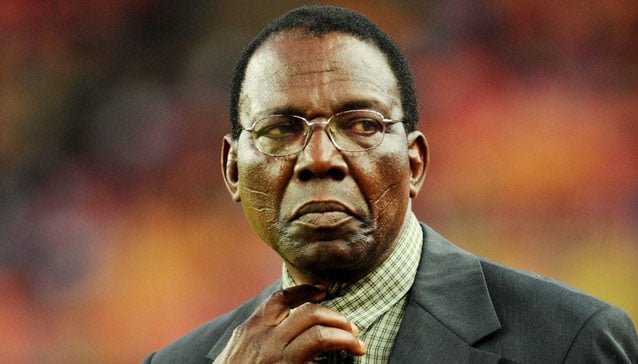
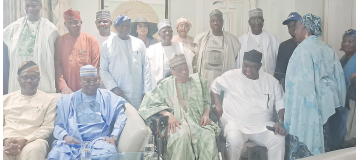
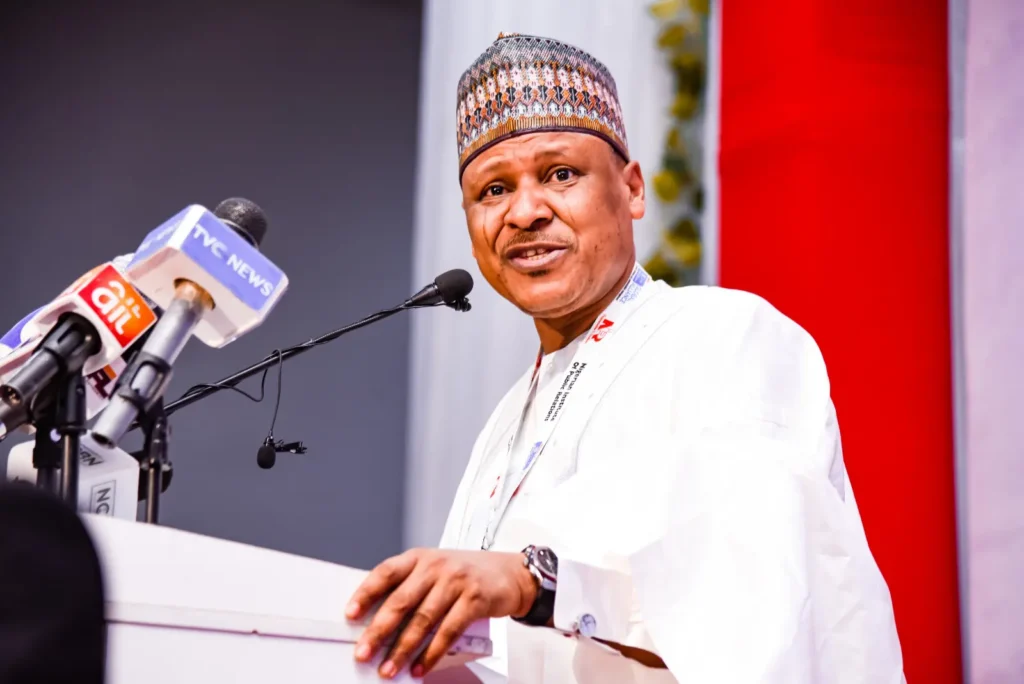
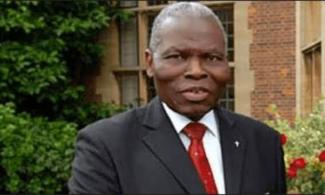
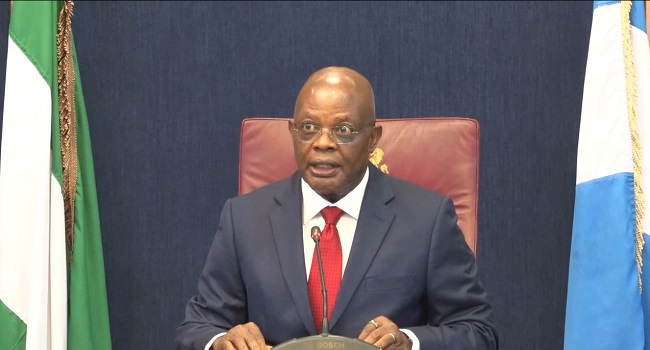
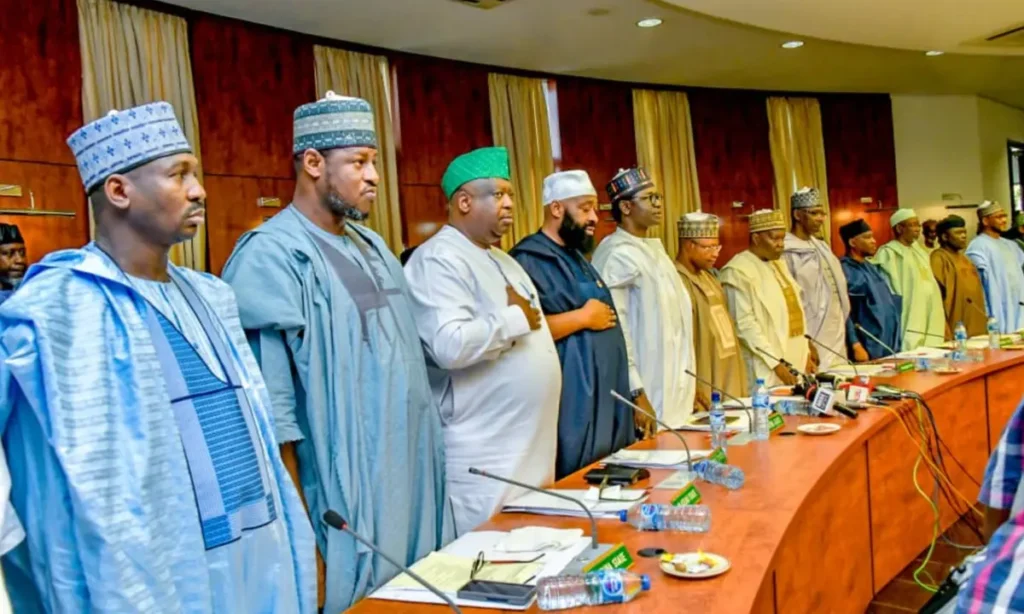
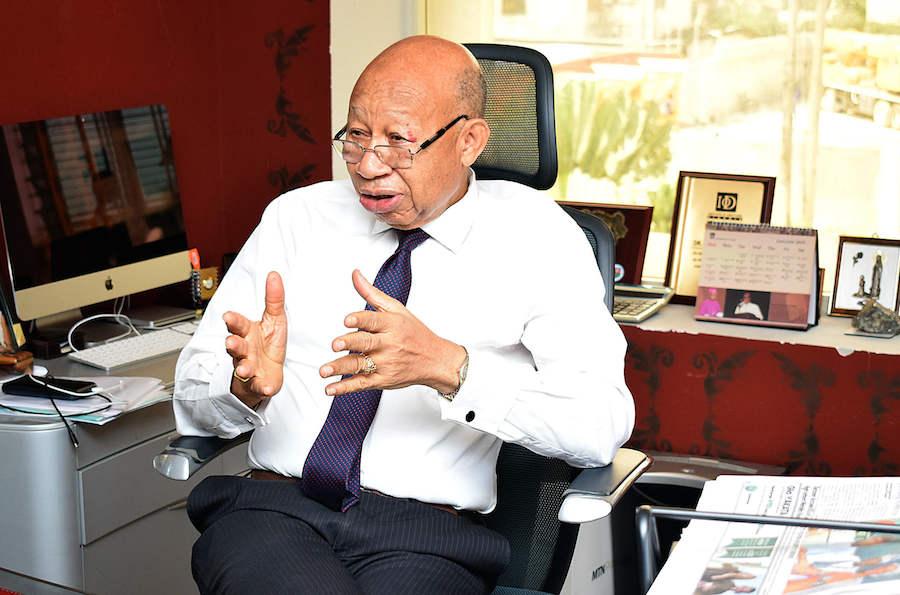
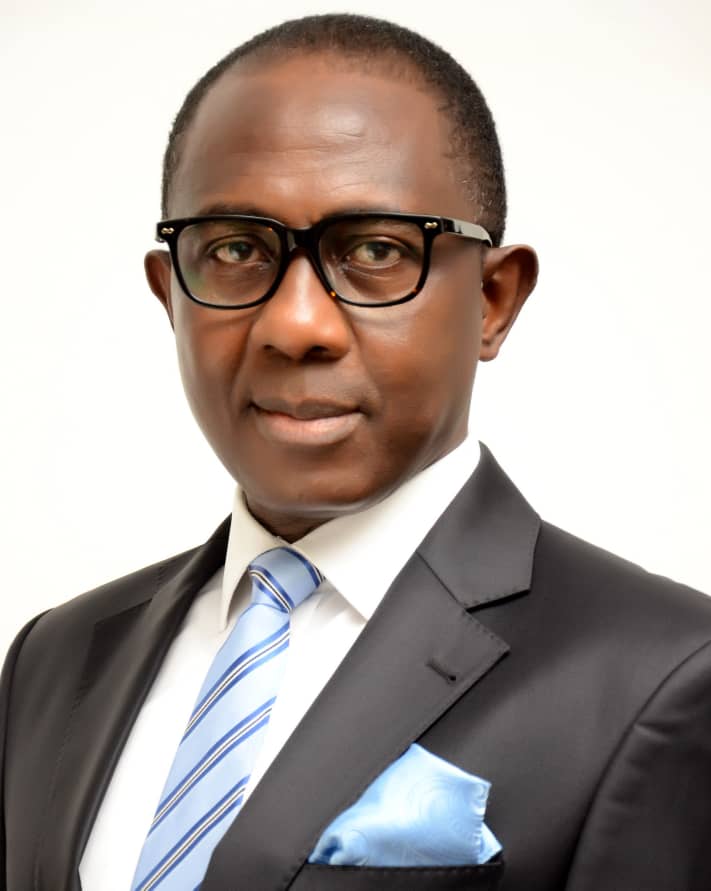
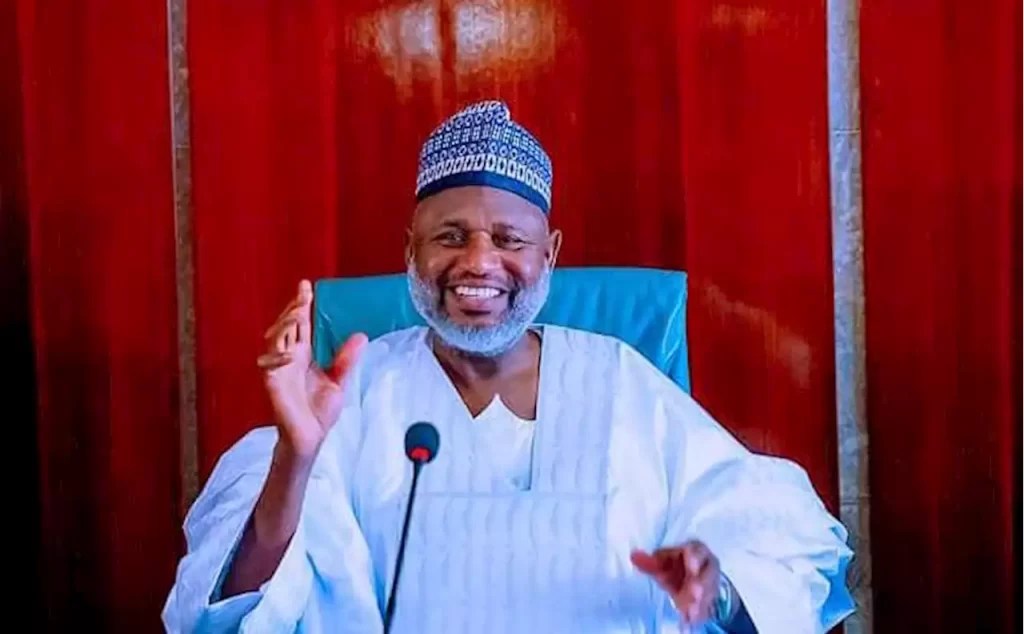
Former Commonwealth Secretary-General and Chairman of the Eminent Patriots of Nigeria, Chief Emeka Anyaoku, has warned that Nigeria must urgently restructure its governance system or risk eventual disintegration. He made this call while presenting the communiqué from a three-day national summit organised by the Eminent Patriots in collaboration with the Nigerian Political Summit Group.
Anyaoku, speaking on behalf of the group, said the current challenges facing Nigeria are rooted in the 1999 Constitution, which he described as ill-suited for a pluralistic nation. He emphasised that federalism remains the most viable governance model for countries with Nigeria’s diversity, citing India and Canada as successful examples. Conversely, he pointed to Yugoslavia and Czechoslovakia—both of which failed to operate genuinely federal constitutions—as cautionary tales, having eventually broken apart into multiple independent states.
He said the summit concluded that Nigeria urgently needs a new constitution that reflects the country’s multi-ethnic and multi-religious structure. The proposed constitution, according to Anyaoku, should be drafted by a Constituent Assembly composed of representatives from all parts of the country and then submitted to a national referendum for ratification. This, he argued, would grant the new document legitimacy—unlike the 1999 Constitution, which was neither drafted by elected representatives of the people nor endorsed through a public vote.
The summit made several recommendations concerning the content and structure of the proposed constitution. One of the key suggestions was the creation of new federating units to promote balanced representation and decentralised governance. The constitution should also permit the establishment of state police forces, enabling each federating unit to take responsibility for its own internal security. This, Anyaoku said, is crucial in light of the country’s worsening security situation.
In addition, the summit recommended the separation of the roles of the Attorney General of the Federation and the Minister of Justice. It proposed that the Attorney General should be a non-partisan appointee, while the Minister of Justice may be a political appointee. This reform, the summit argued, would enhance the independence of the justice system and ensure more impartial application of the law.
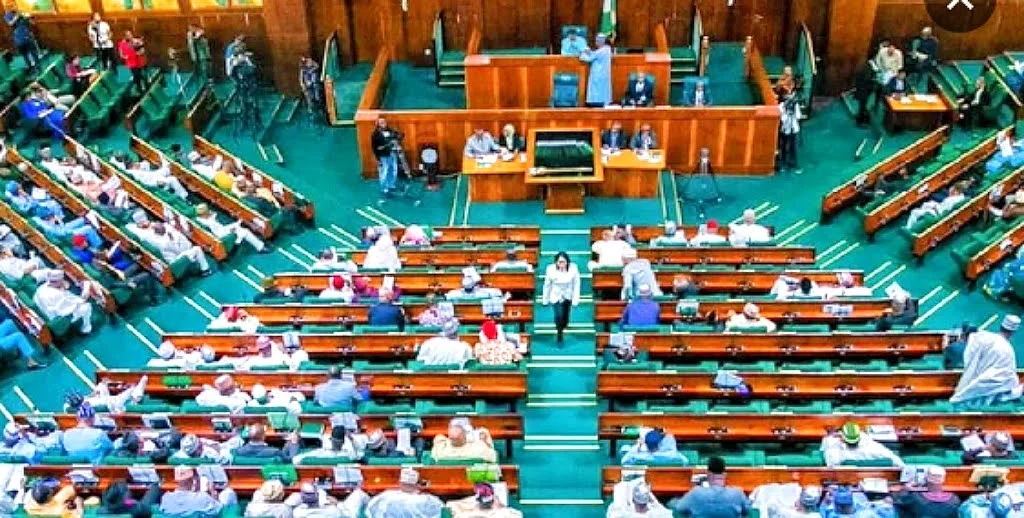
Anyaoku also spoke about the need to make Nigeria’s legislature more cost-effective. The summit expressed concern that the current legislative system is financially unsustainable, with over 70 percent of the national revenue reportedly going to recurrent expenditure and debt servicing. Therefore, it recommended a leaner, more efficient legislative structure, with greater devolution of powers to federating units.
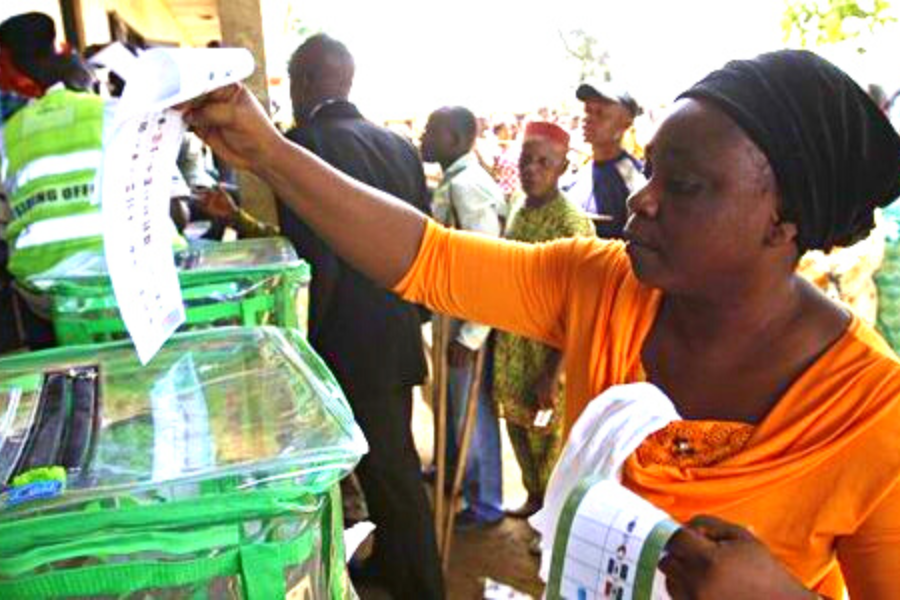
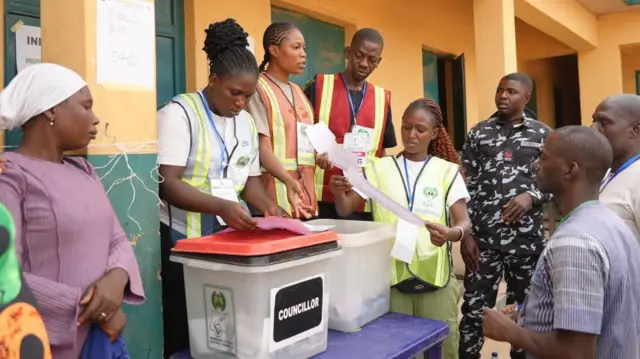
On electoral reform, the summit called for all elections—presidential, gubernatorial, and legislative—to be conducted on the same day. This, Anyaoku explained, would reduce costs, minimise electoral fraud, and help curb undue political interference.
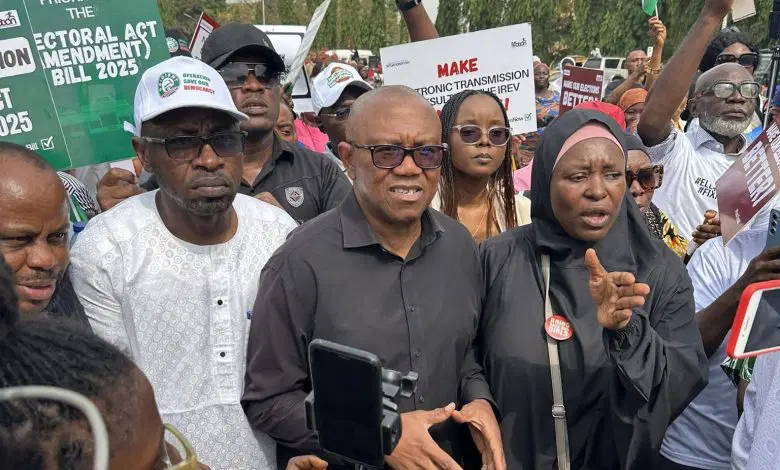
The Independent National Electoral Commission (INEC) should be mandated to transmit results electronically and adopt the mandatory use of the Bimodal Voter Accreditation System (BVAS) for all elections. The summit also proposed that independent candidates be allowed to contest elections on the basis of personal merit rather than party affiliation.
To discourage political defections, the summit recommended that any elected official who switches parties before the end of their tenure should automatically forfeit their seat. Anyaoku said this would help restore integrity to the political system and ensure that mandates are respected.
The summit further proposed the adoption of true fiscal federalism, under which federating units would control their own natural and financial resources. Anyaoku noted that every region of Nigeria is endowed with resources that, if properly harnessed, could foster development and improve citizens’ welfare. He insisted that allowing regions to manage their own resources would not only strengthen accountability but also reduce overdependence on the federal government.
In the area of judicial reform, the summit observed that Nigeria’s current system overloads federal courts, leading to unnecessary delays in justice delivery. It recommended that each federating unit should have its own court hierarchy culminating in a Court of Appeal, leaving the Supreme Court to focus on serious constitutional issues and disputes between the federal government and the federating units.
The summit also proposed that the offices of the Minister of Justice and Attorney General of the Federation be decoupled, as is the case in many other democratic nations. The Attorney General, it said, should be appointed on a non-partisan basis to ensure professional legal guidance for the federation, while the Minister of Justice can remain a political appointee.
In terms of governance reform, the summit called for a reduction in the number of federal ministries, ministers, and government agencies. This, it argued, would significantly cut the cost of governance and enhance efficiency. It also recommended stronger measures against corruption and the misuse of public office, alongside enhanced protection of citizens’ rights and support for employment creation initiatives.
Turning to the diaspora, Anyaoku noted the vital role Nigerians abroad play in national development through remittances and other forms of support. He argued that they should be allowed to vote in future elections, urging the government to work towards enabling diaspora voting rights.
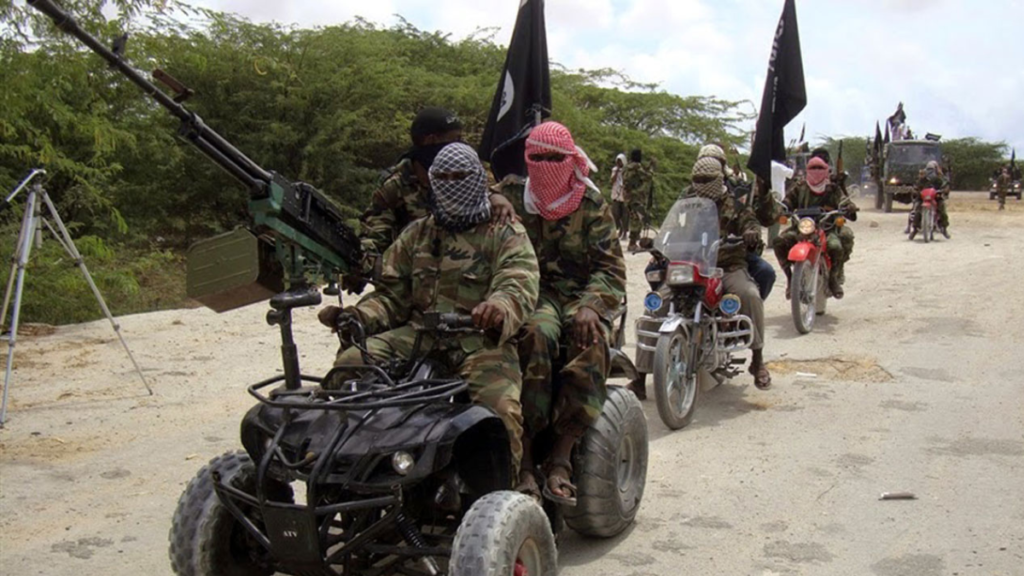
On national security, Anyaoku cited data indicating that over 614,000 Nigerians were killed between May 2023 and April 2024 due to insecurity. He said the summit viewed this figure with grave concern and called for a comprehensive overhaul of the country’s security architecture. It proposed the creation of dedicated coastal and border security forces to support the police and monitor Nigeria’s porous borders, which have enabled the infiltration of criminal groups from the Sahel region.
Anyaoku added that the summit underscored the need for Nigeria to uphold its secular character. Drawing parallels with India, he said secularism is essential to maintaining peace and stability in a multi-religious, pluralistic society like Nigeria.
He concluded by reiterating that Nigeria must return to the truly federal arrangement upon which it was founded at independence. Under that structure, the original regions had their own constitutions and significant autonomy, a model the summit believes should be revisited in the interest of national unity, development, and stability.