













































































































































































































































































































































































































































































































































































Still Waiting: Why Has Nigeria Failed #EndBadGovernance Victims?


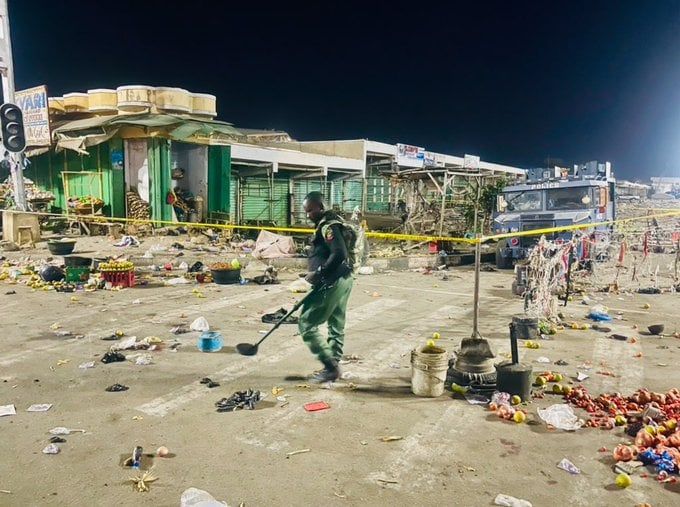
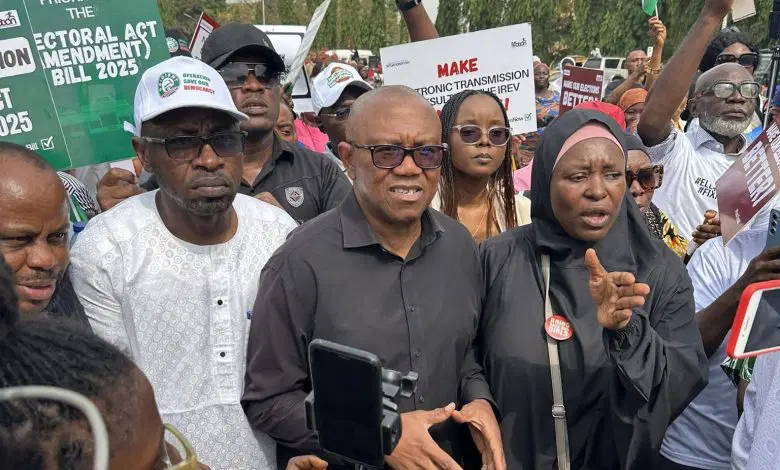
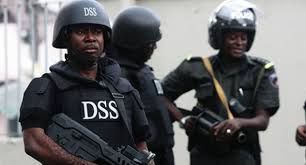
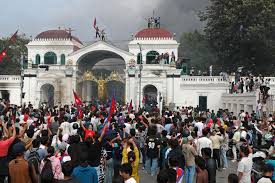
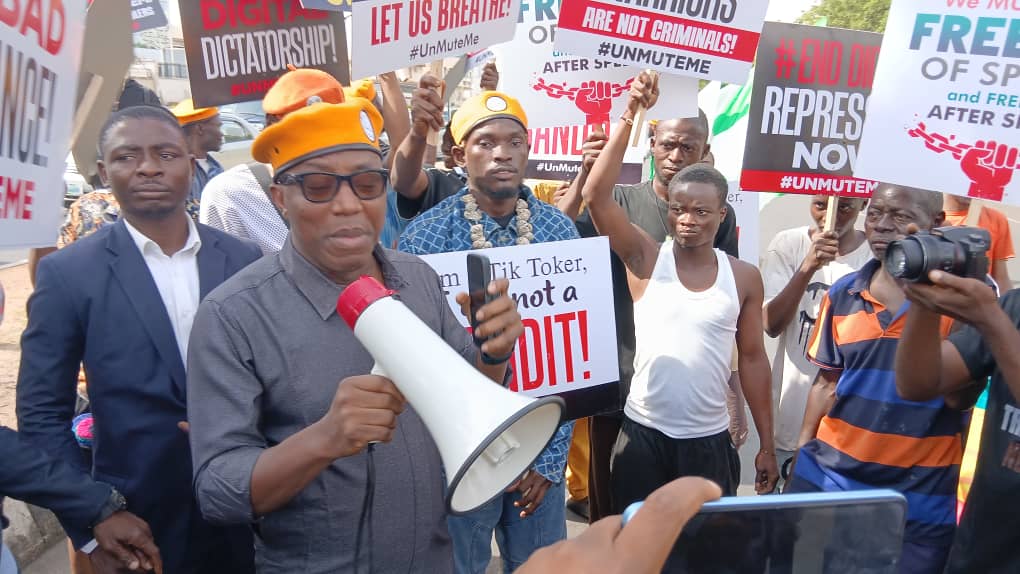
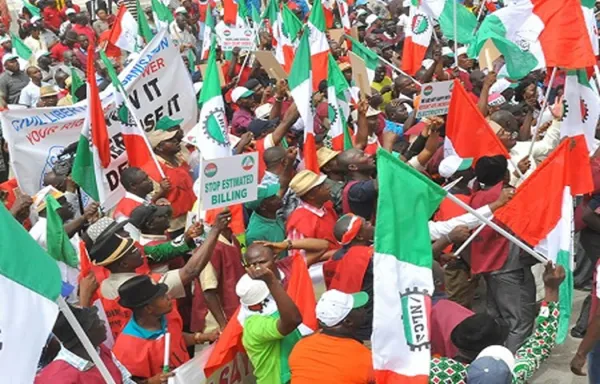
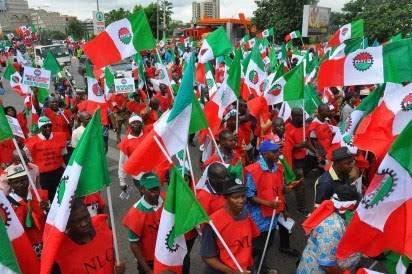
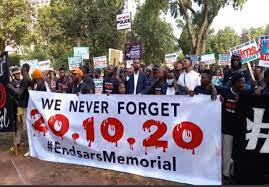
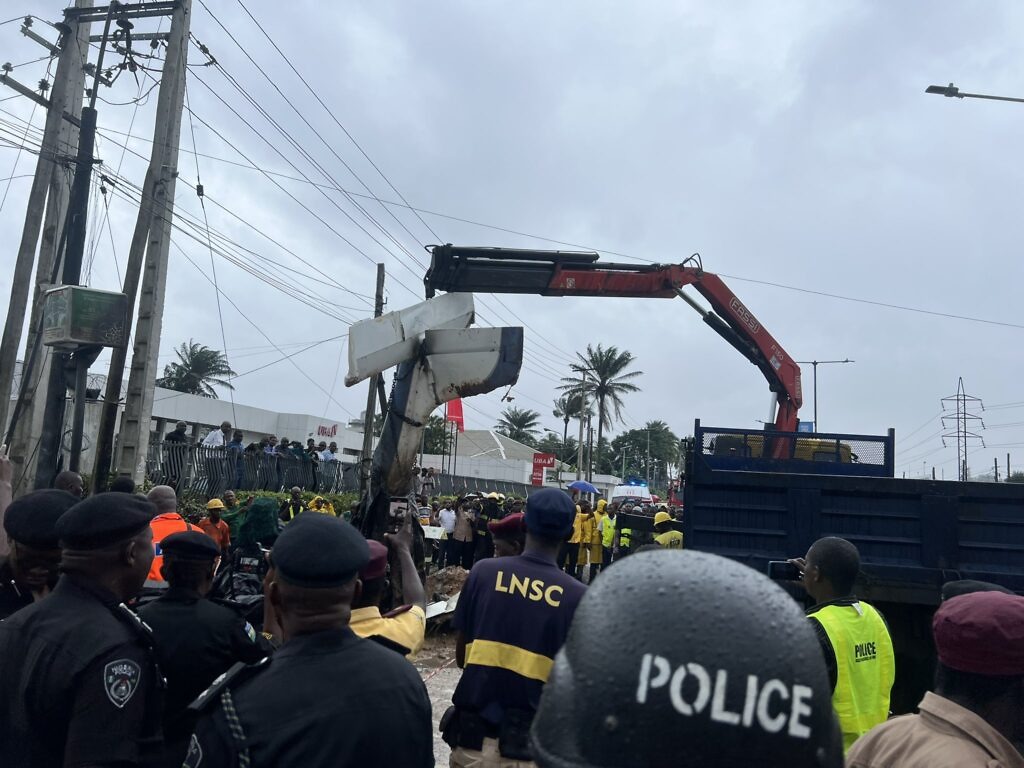
One year after Nigerian police reportedly used lethal force and carried out mass arbitrary arrests during the #EndBadGovernance protests, authorities have yet to deliver justice to victims and survivors.
In a statement released on Friday via its website and social media platforms, Amnesty International Nigeria decried the lack of accountability and meaningful reform by the Nigerian government.
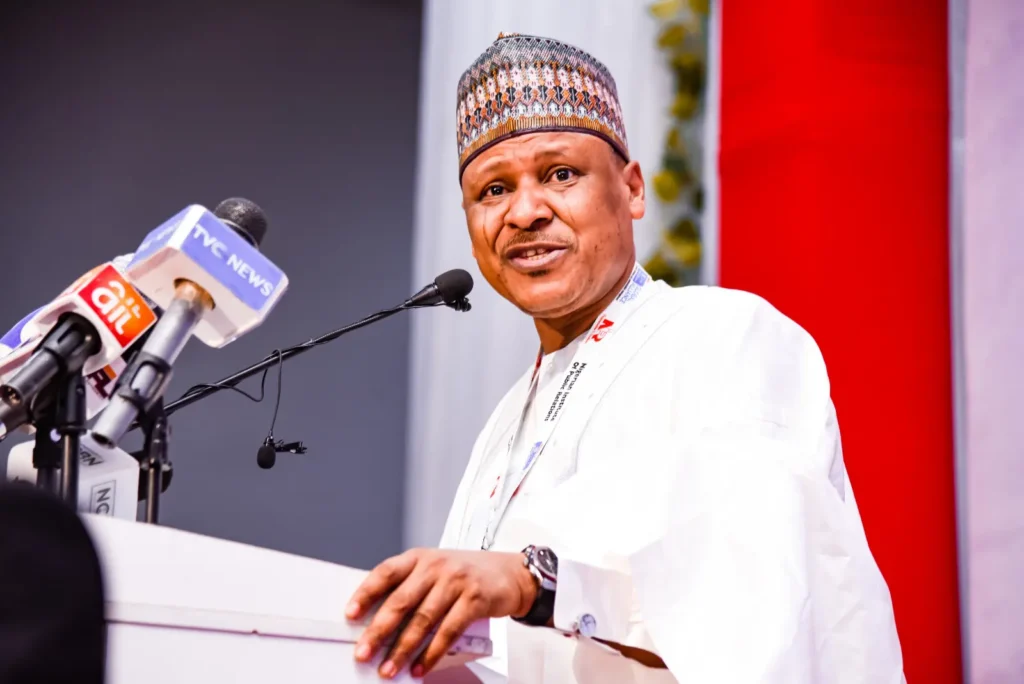
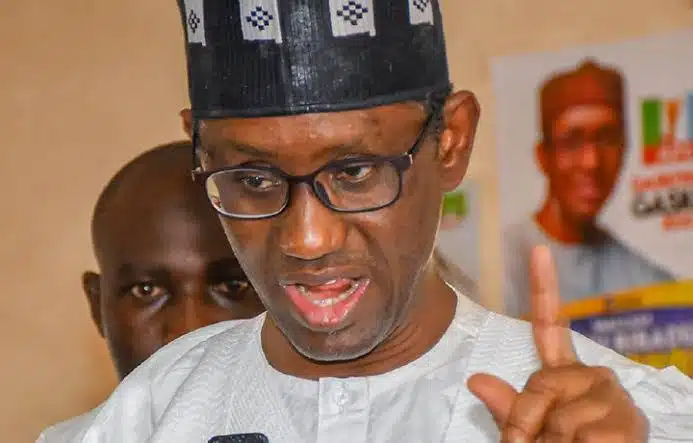
“The Nigerian authorities are yet to take appropriate and effective measures to respect, protect, promote and fulfil the rights to freedom of expression and peaceful assembly,” said Isa Sanusi, Director of Amnesty International Nigeria.
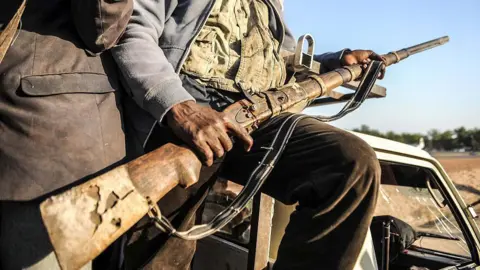
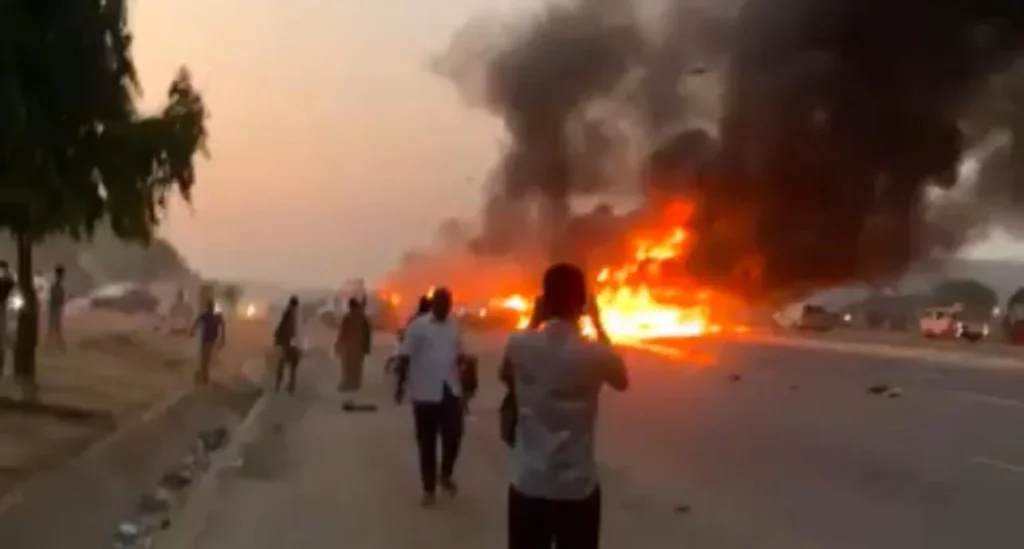
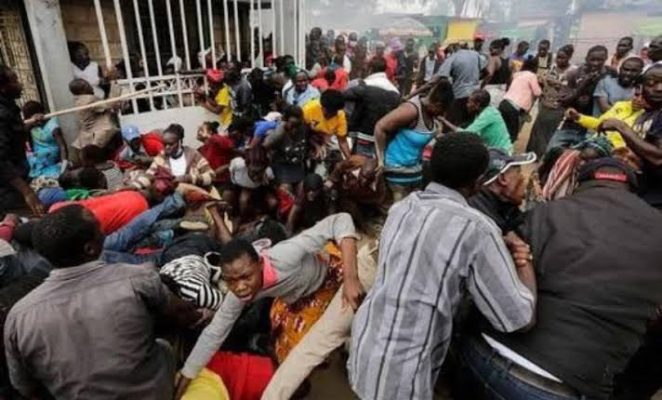
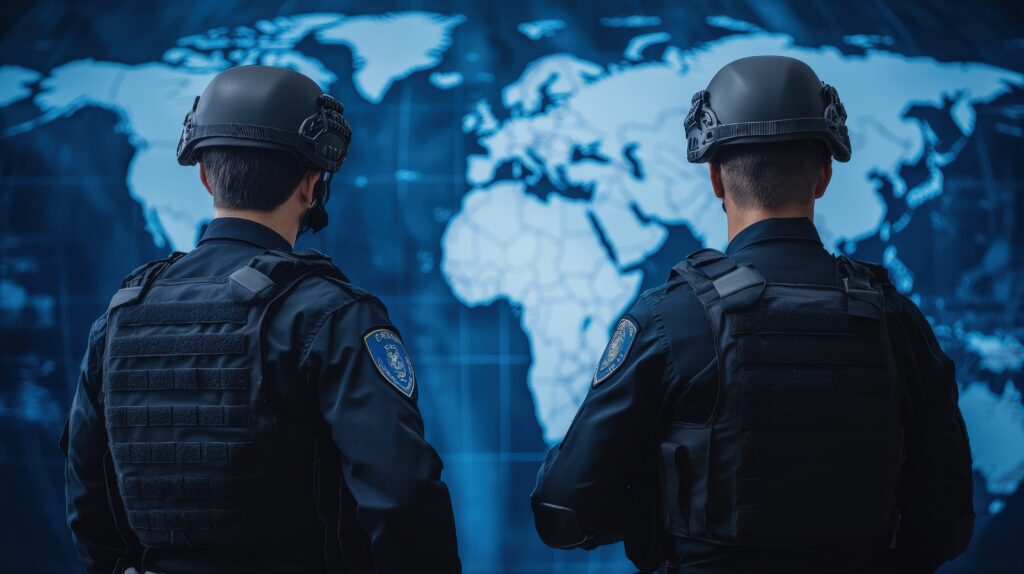
According to the organisation, police officers were found to have fired live ammunition at close range, often targeting the head or torso—indicating an apparent intent to kill. Survivors sustained gunshot wounds to the arms and legs, while others reportedly suffered suffocation from the indiscriminate use of tear gas.
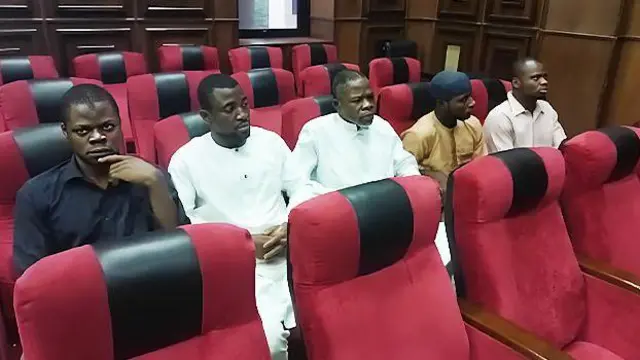
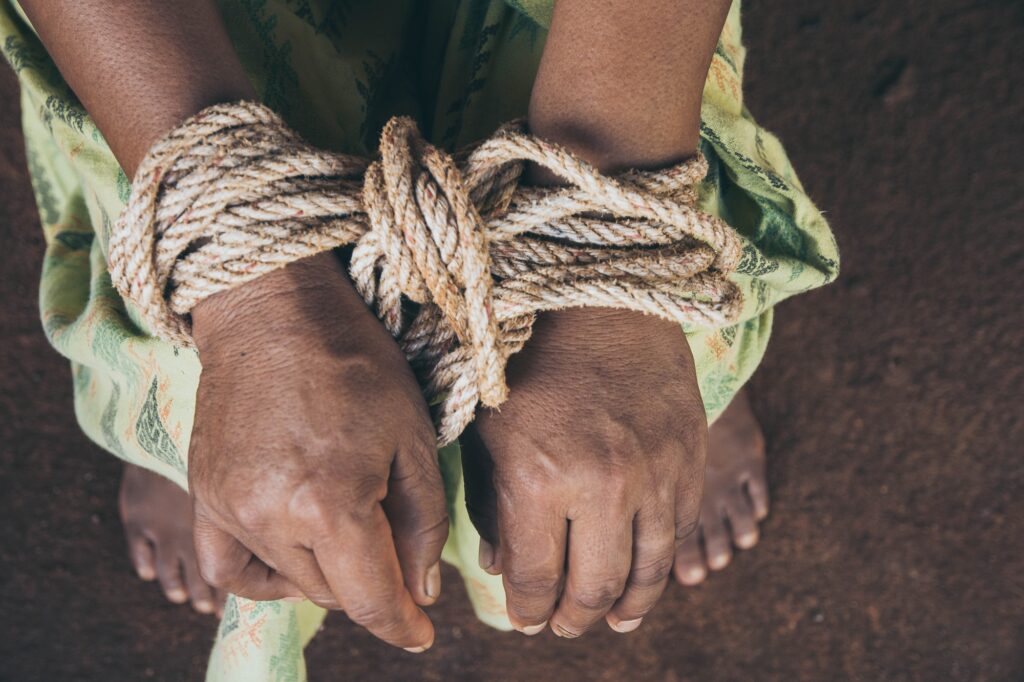
Amnesty further revealed that some protesters were tortured and starved while in detention, with minors collapsing in court during their trial at the Federal High Court in Abuja on 1 November 2024.
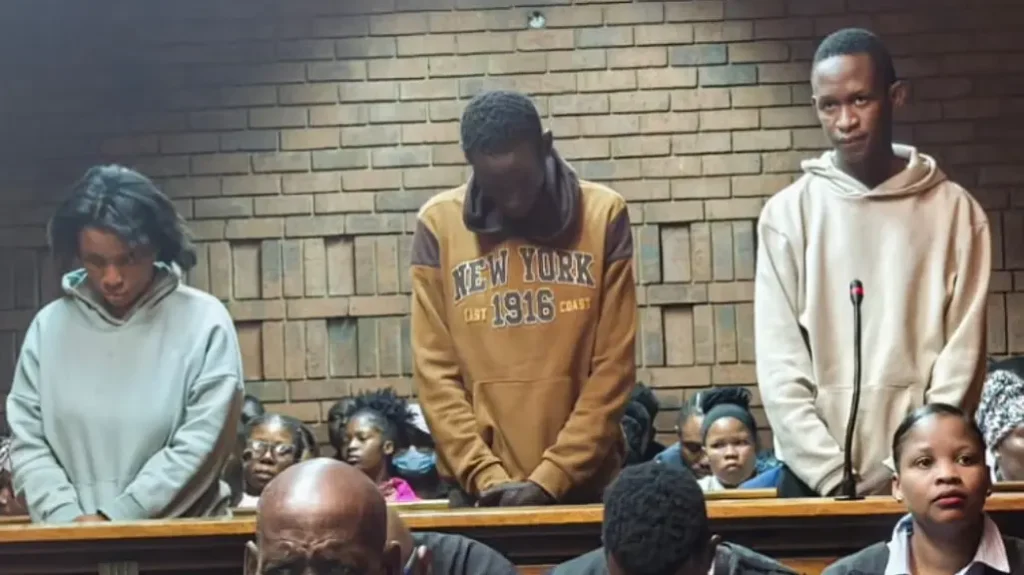
Despite clear evidence of innocence, the authorities have continued to prosecute those arrested during the protests. Amnesty reported that several individuals were convicted and sentenced to community service, flogging, or imprisonment after what it described as sham trials in Maiduguri, Borno State. The charges reportedly included membership of a group named ‘Zanga Zanga’ and an alleged conspiracy to take up arms against the government.
Trials also continue at the Federal High Court in Abuja and in states including Kano, Jigawa, Katsina, and Kaduna. Amnesty’s investigation revealed that between 1–10 August 2024, police killed at least 24 protesters in these states.
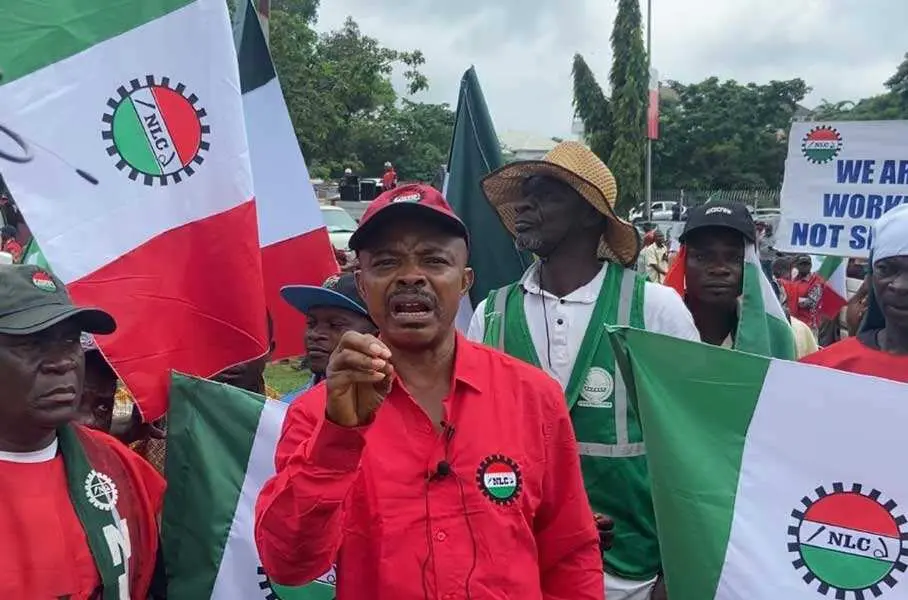
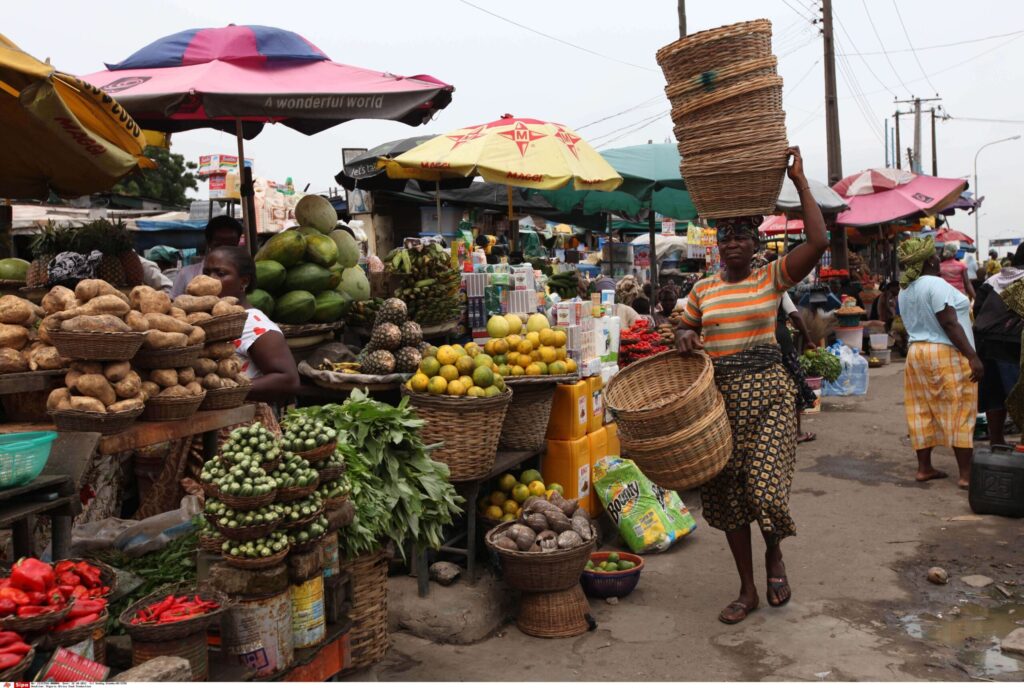
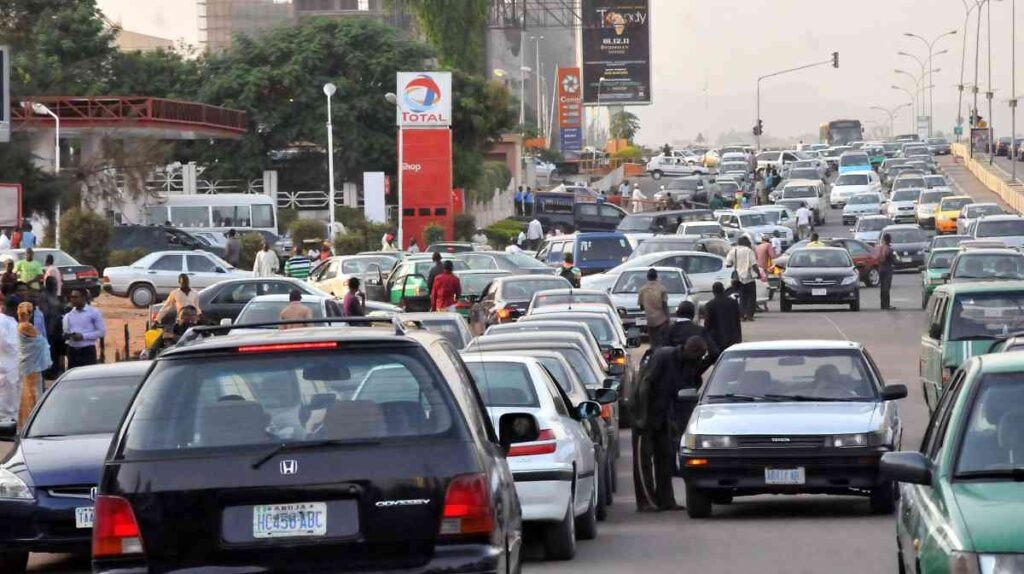
The #EndBadGovernance movement emerged in response to widespread frustration over economic hardship, rising inflation, high food prices, and a steep increase in fuel costs.

