
































































































































































































































































































































































































































































































































































Will Nigeria Grind to a Halt Tomorrow? FG Scrambles to Stop NUPENG Strike


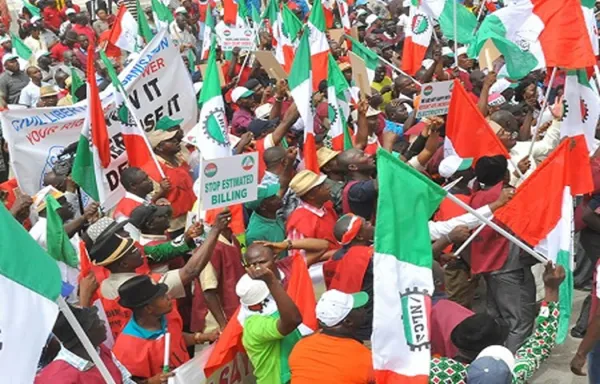
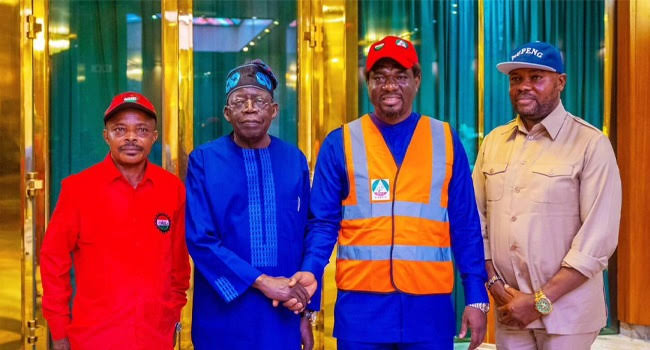
The Federal Government has appealed to the National Union of Petroleum and Natural Gas Workers (NUPENG) to reconsider its planned nationwide strike scheduled to begin on Monday, 8 September 2025.
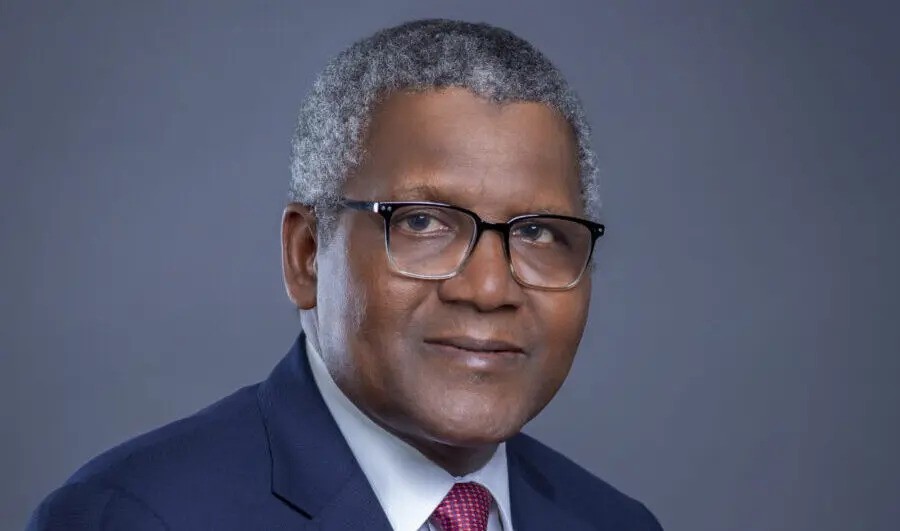
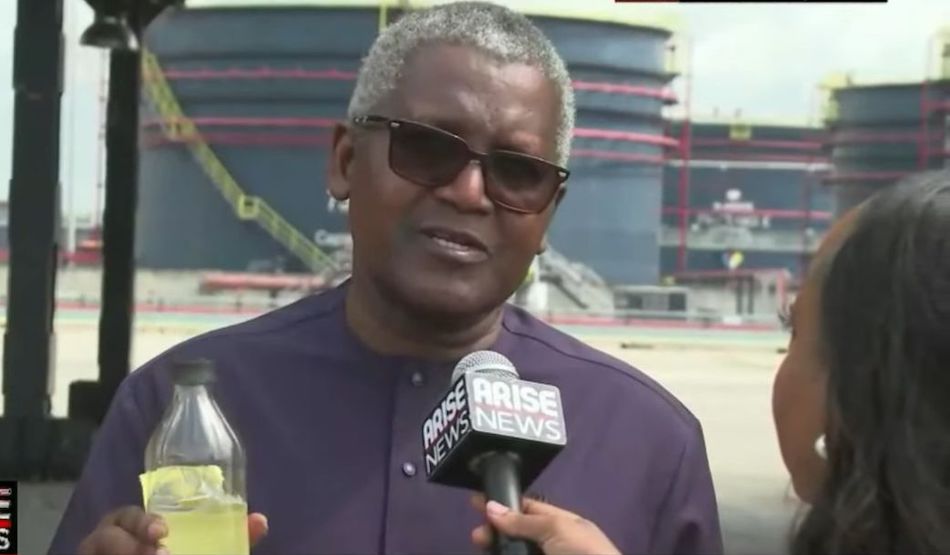
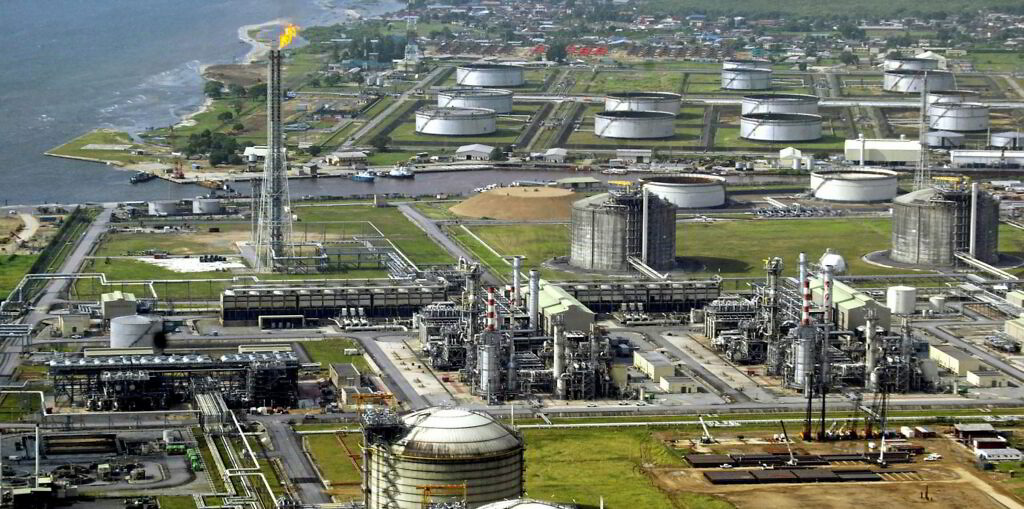
The dispute stems from allegations that the Dangote Group is preventing its employees from joining industry unions.
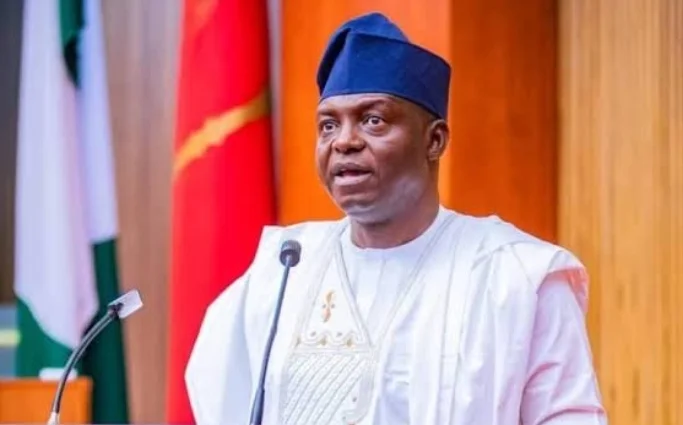
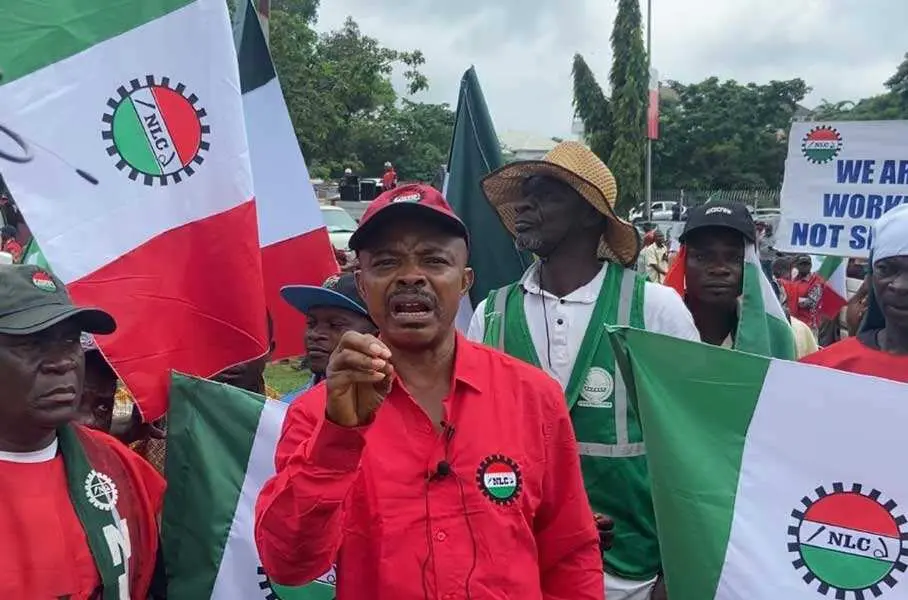
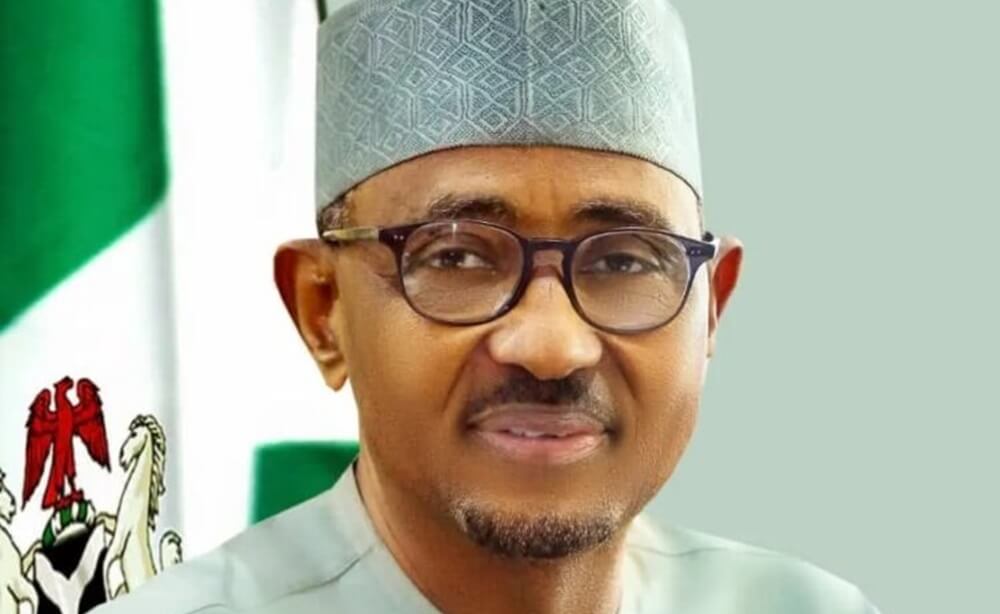
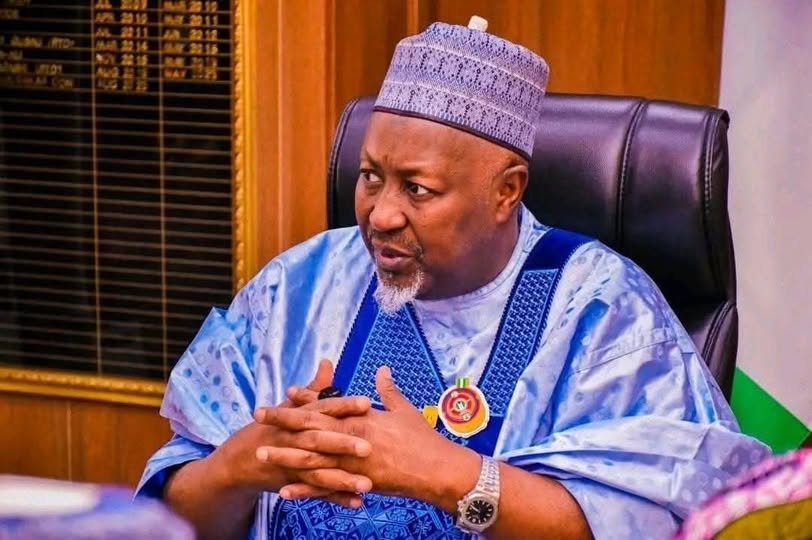
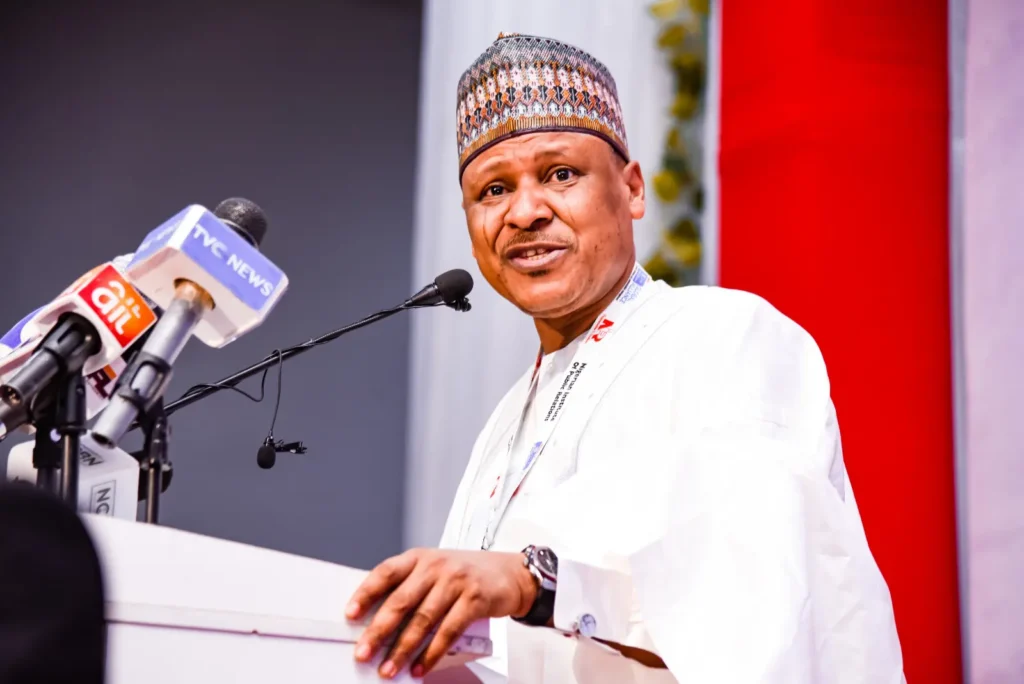
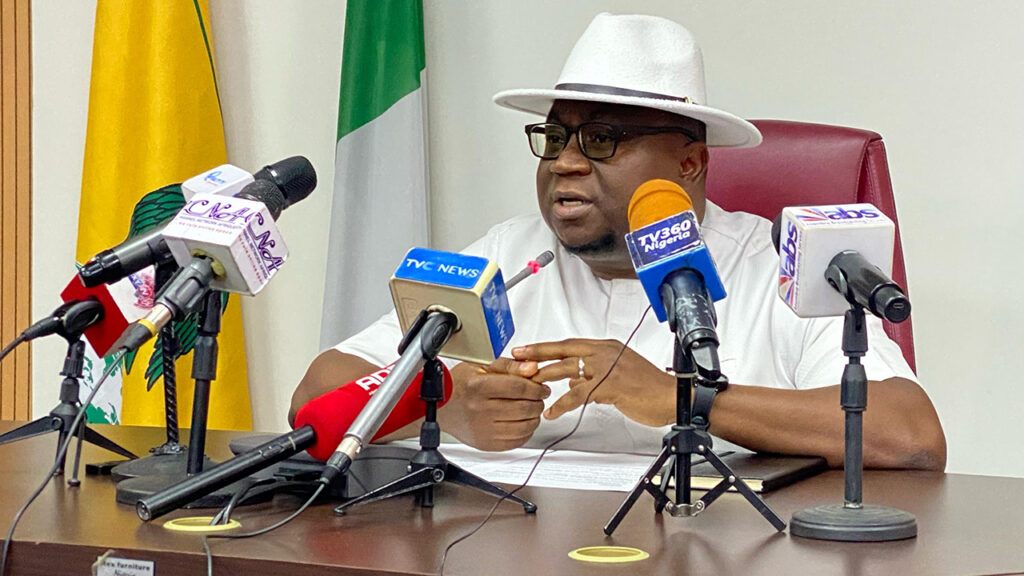
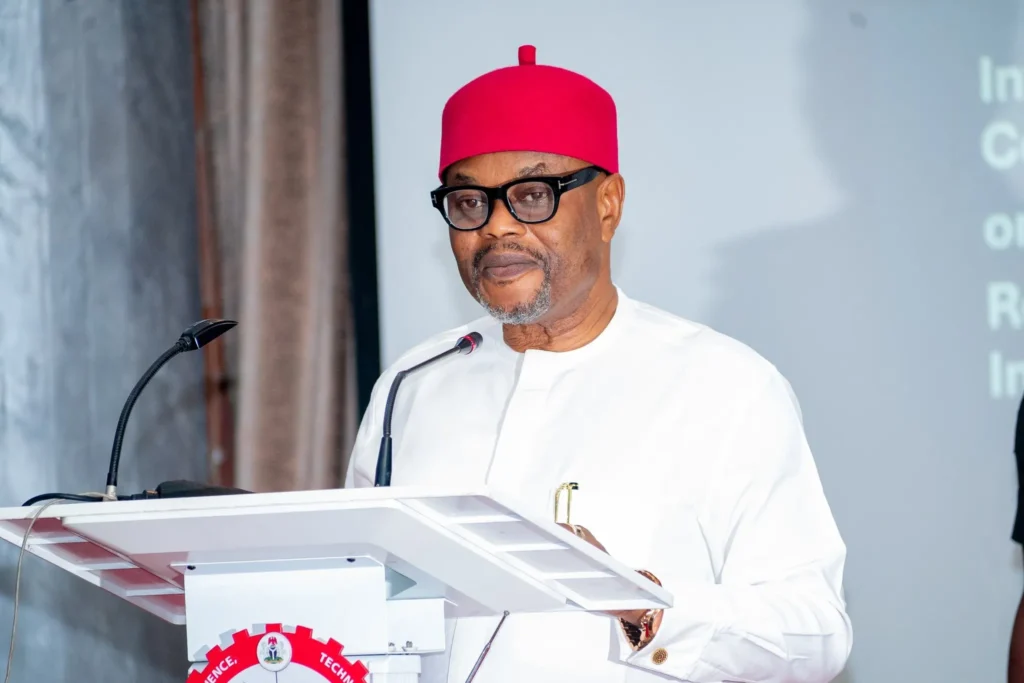
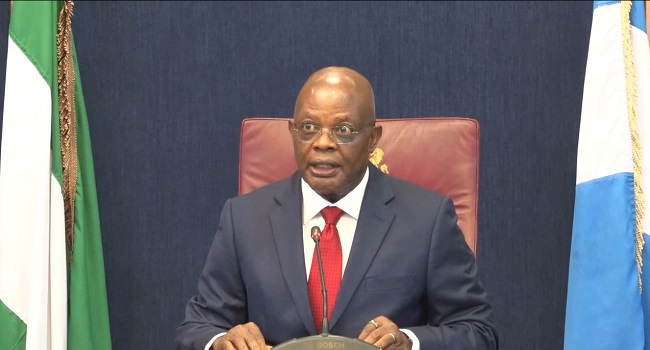
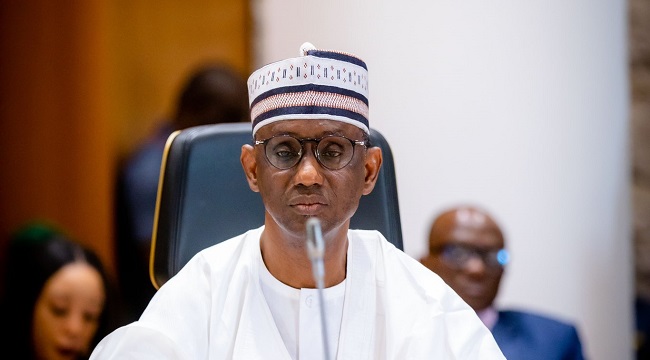
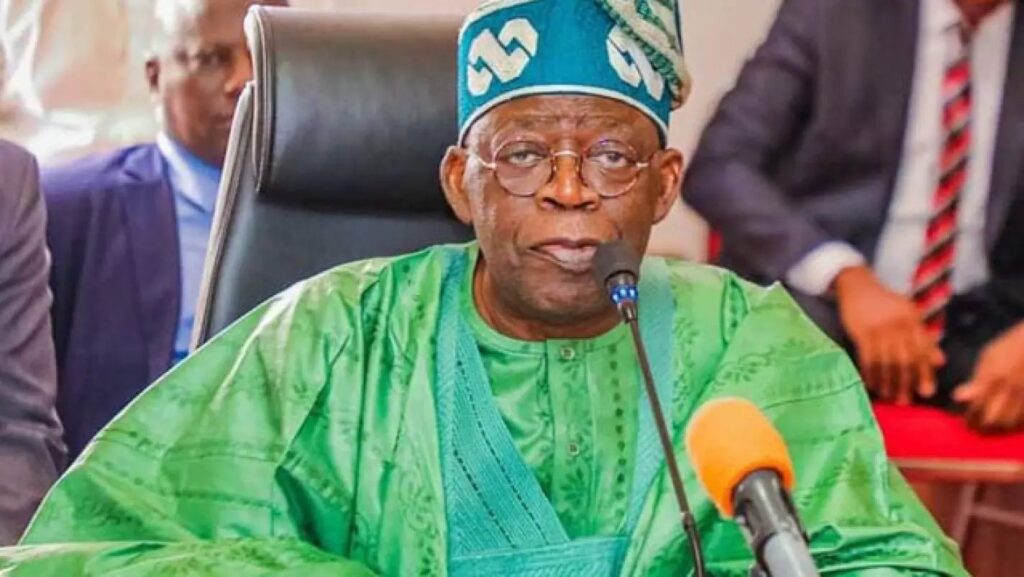
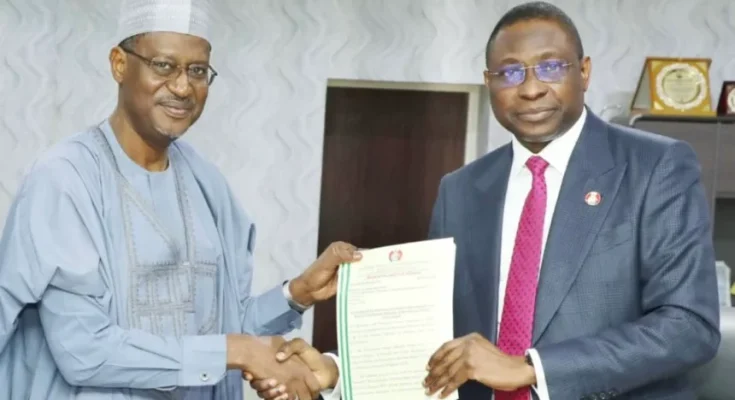
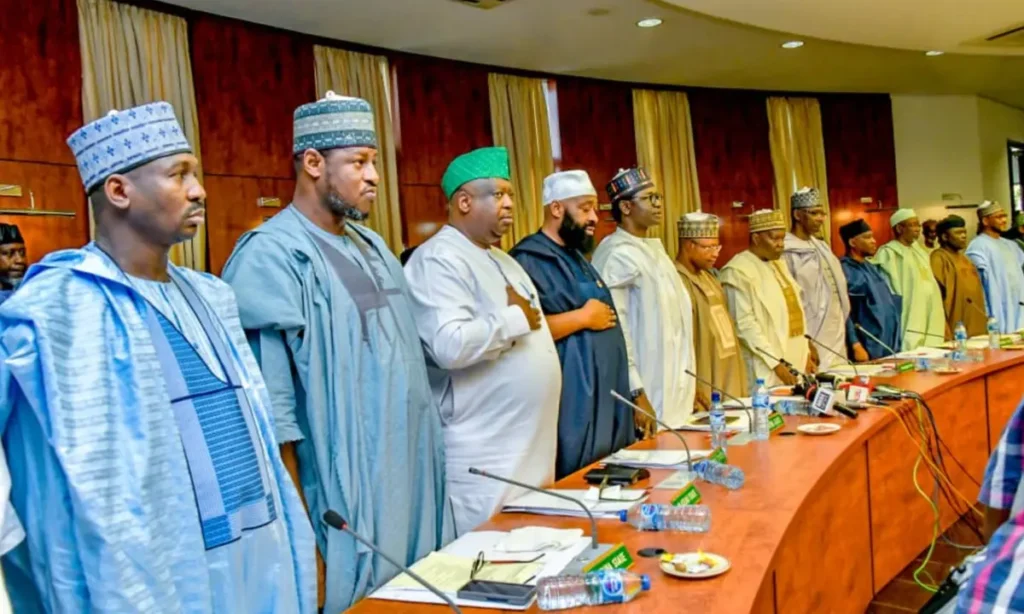
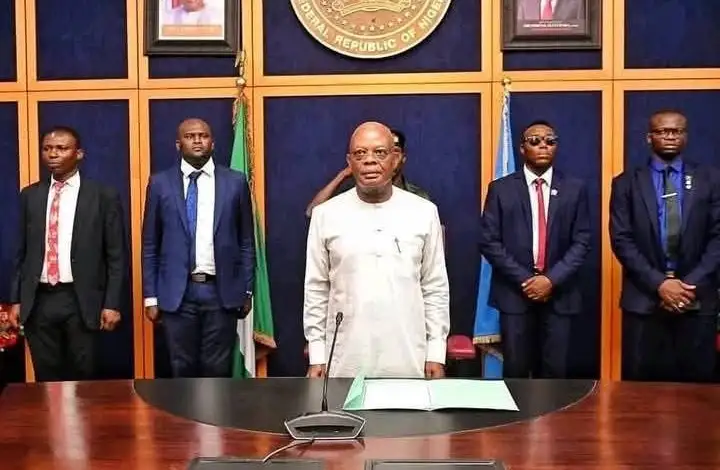
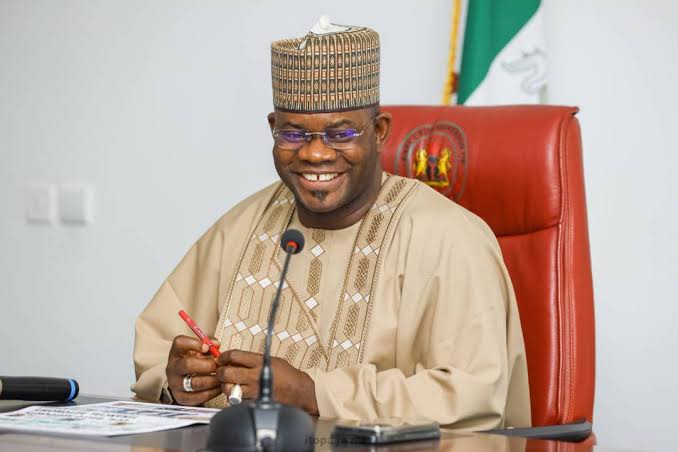
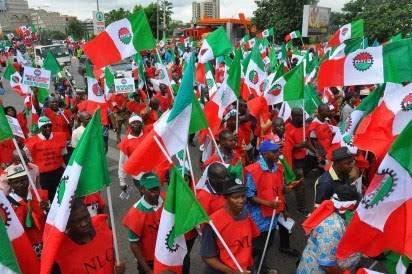
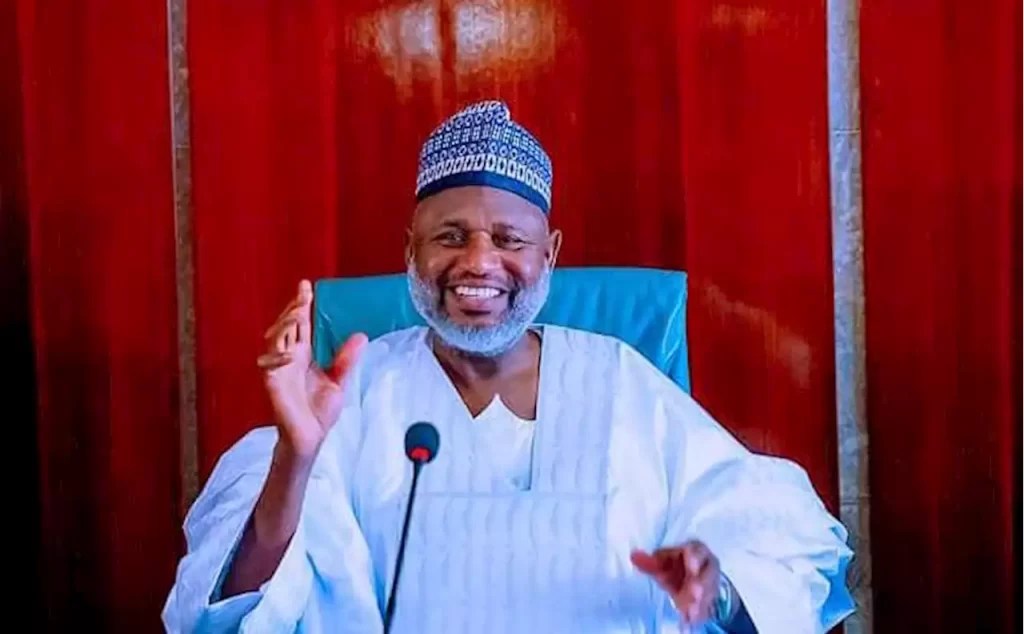
In a statement signed by the ministry’s Head of Information, Patience Onuobia, the Minister of Labour and Employment, Muhammad Maigari Dingyadi, urged the union to suspend its action while the government intervenes. He also called on the Nigeria Labour Congress (NLC) to withdraw the “red alert” it had issued, instructing affiliate unions to prepare for solidarity action.
Dingyadi said a conciliation meeting had been convened for Monday to address the matter.
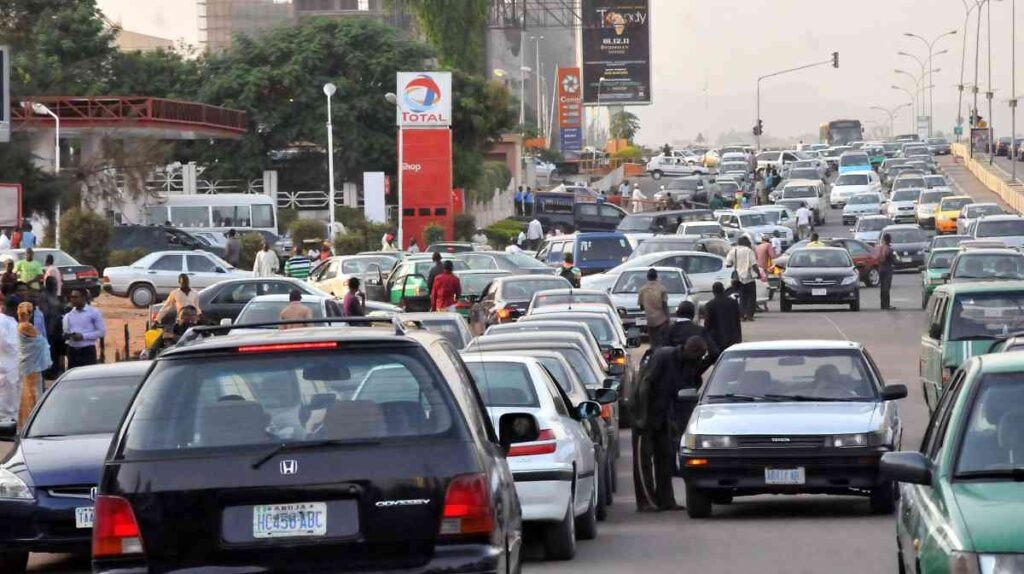
“I have invited all parties for a conciliation meeting tomorrow, Monday, 8 September 2025. Since I have intervened, I plead with NUPENG to rescind its decision to shut down the petroleum sector. I also appeal to the NLC to withdraw the red alert it issued. The petroleum sector is critical to this country, forming the core of our economy. A strike, even for just one day, would have dire consequences—causing billions of naira in losses and inflicting hardship on Nigerians,” the minister said.
He assured the public that the dispute would be resolved amicably and warned that any disruption in the sector would destabilise the economy.
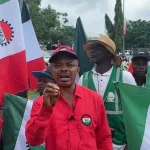
On Friday, NUPENG announced that its members would stop work and seek alternative employment beginning 8 September, citing alleged attempts by Dangote Refinery to prevent its compressed natural gas (CNG) tanker drivers from joining unions.
Although the Petroleum Tanker Drivers (PTD) and the Direct Trucking Company Drivers Association (DTCDA) have distanced themselves from the action, NUPENG reaffirmed its commitment to the strike on Sunday.
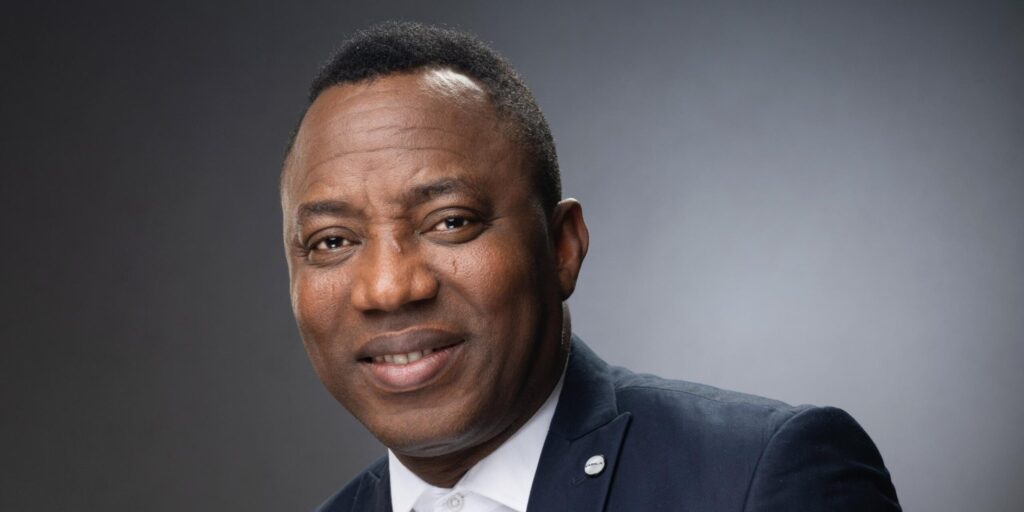
Meanwhile, human rights lawyer Femi Falana, SAN, threw his weight behind NUPENG, insisting that the Dangote Group’s policy contravenes Section 40 of the Constitution, Section 12 of the Trade Union Act, Article 10 of the African Charter on Human and Peoples’ Rights, and several international treaties ratified by Nigeria. These include the International Labour Organisation’s Conventions 87 and 98, the UN Universal Declaration of Human Rights, and the International Covenant on Civil and Political Rights.