





























































































































































































































































































































































































































































































































































































NESG Boss to FG: Show Fairness, Transparency to Win Investor Confidence


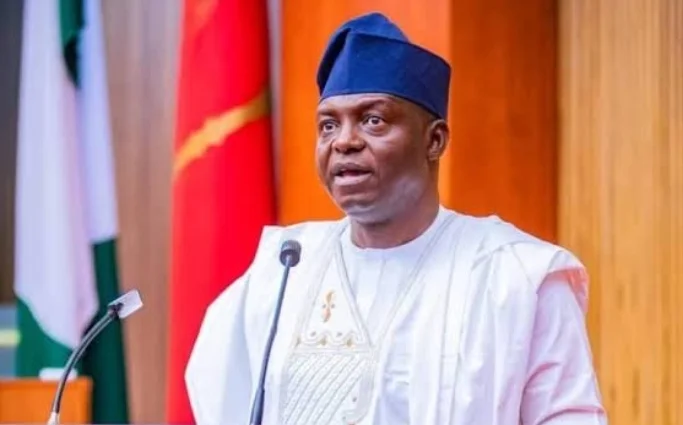
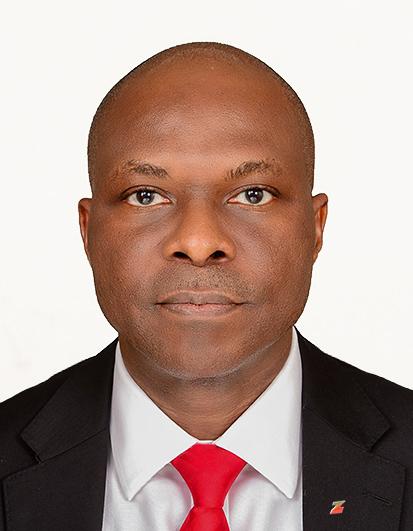
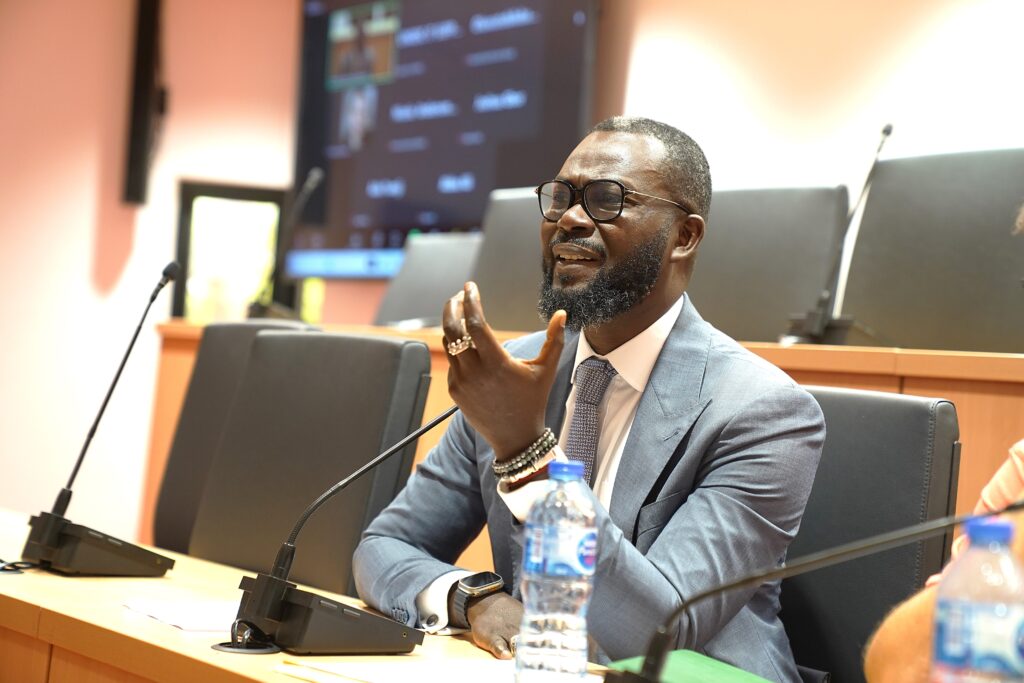
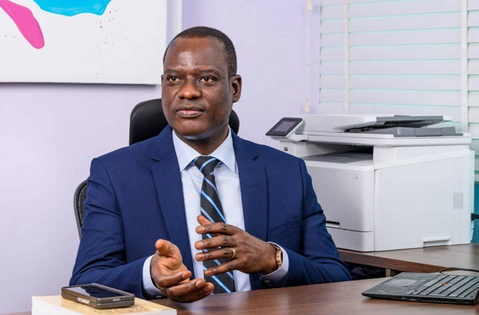
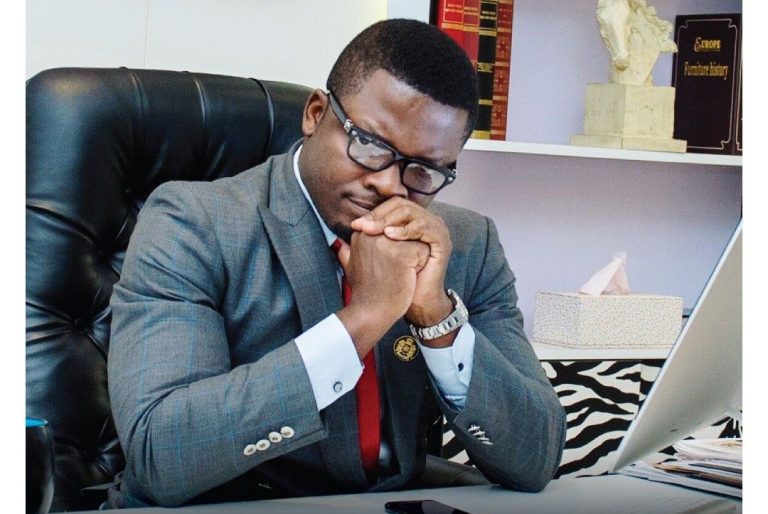
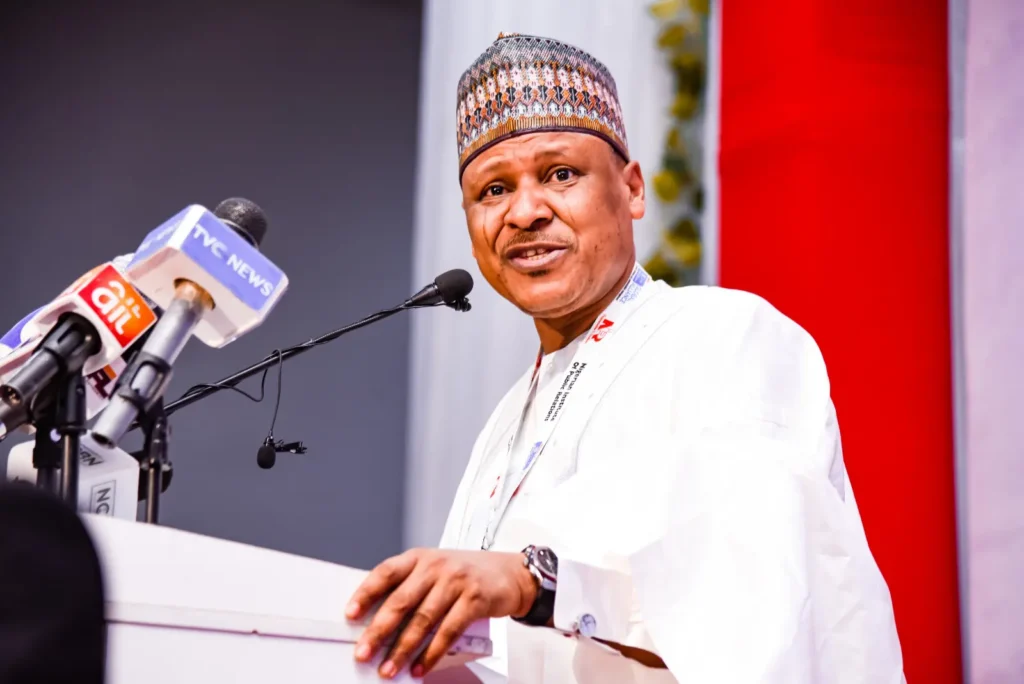
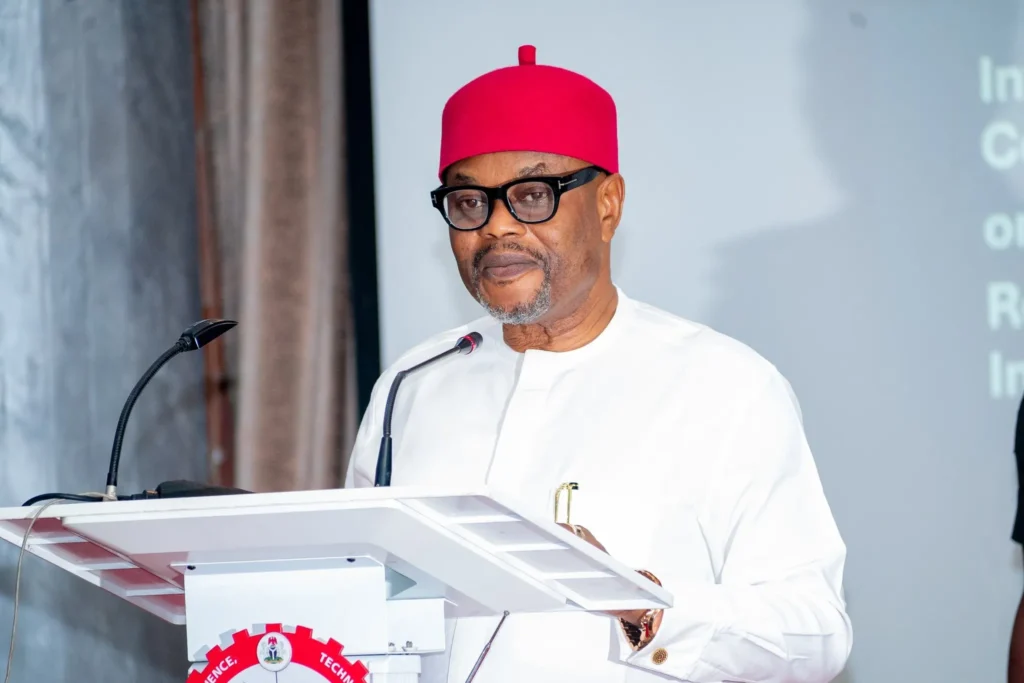
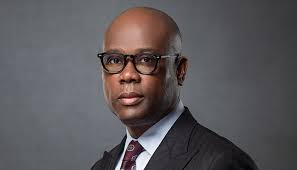
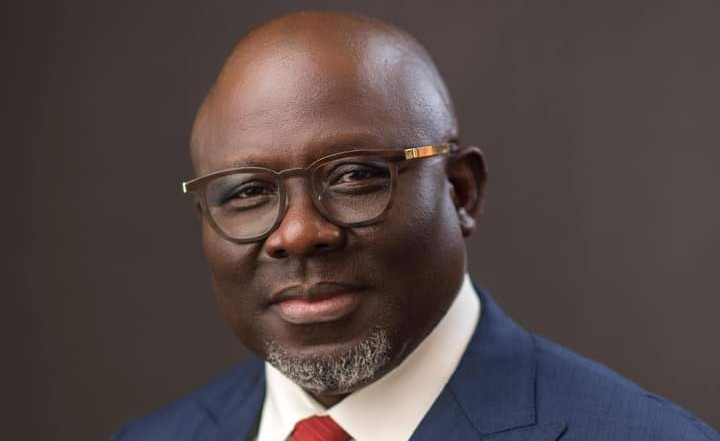
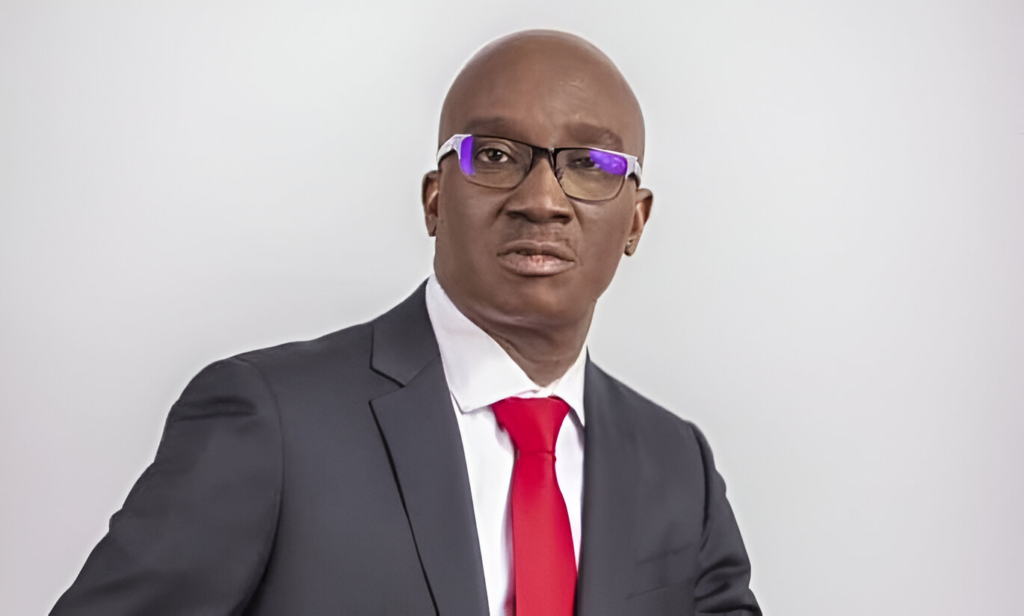
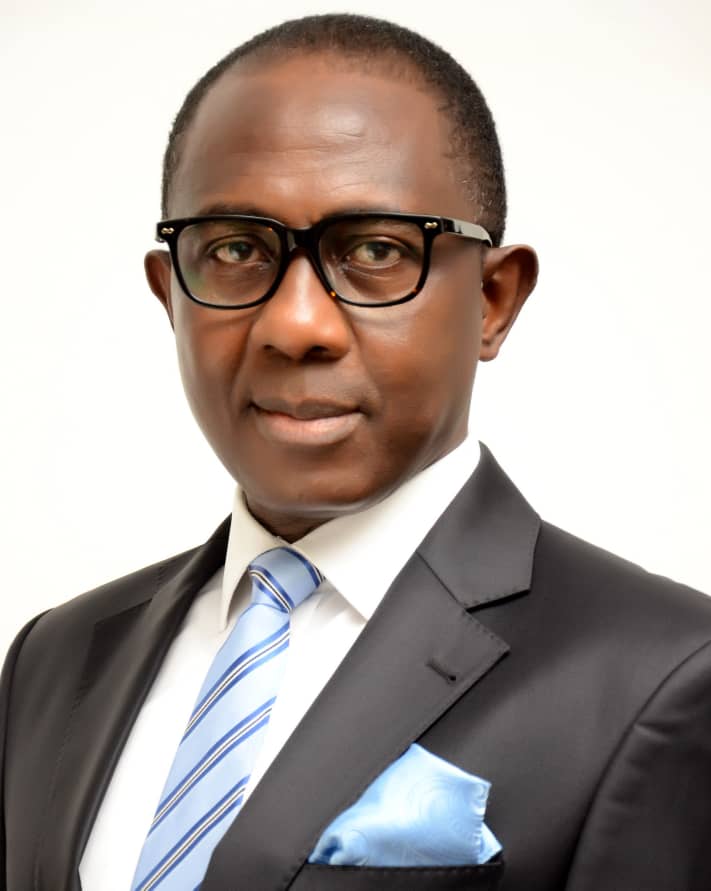
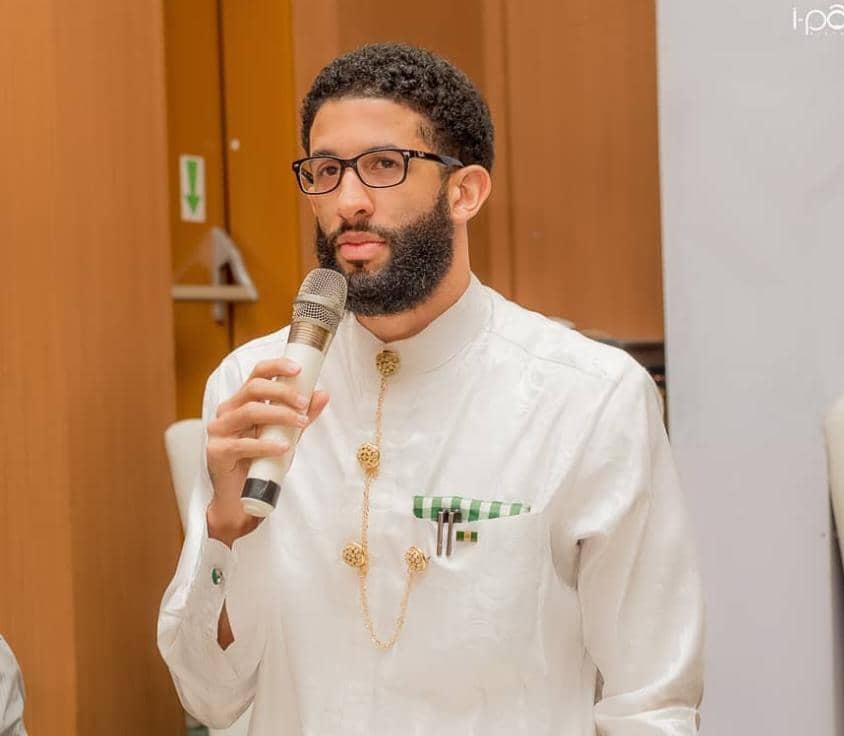
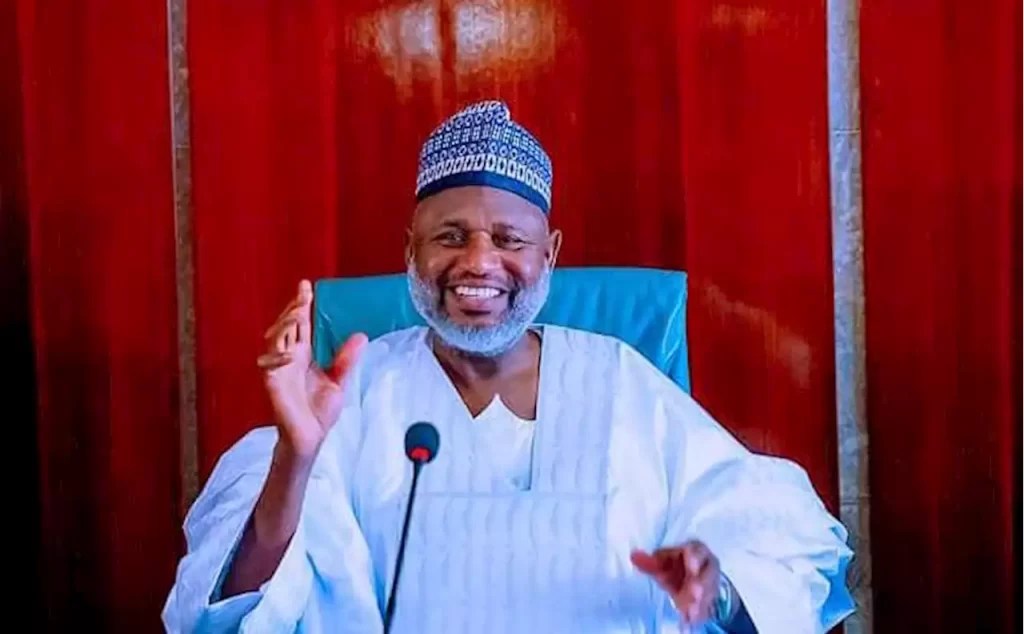
The Chairman of the Nigerian Economic Summit Group (NESG), Mr. Olaniyi Yusuf, has urged the Federal Government to demonstrate openness, fairness, and predictability to attract sustainable capital inflows.
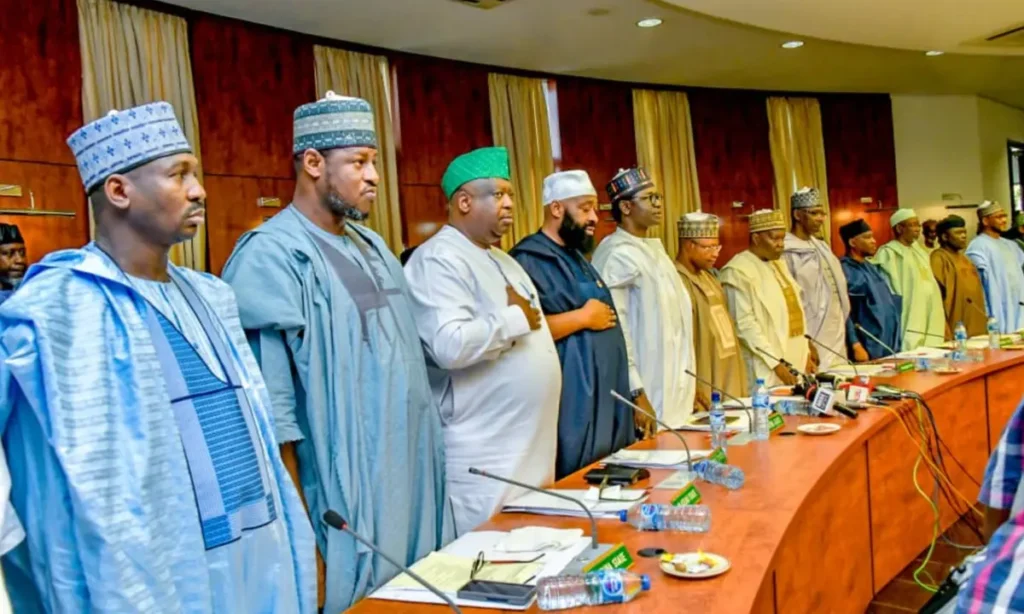
Yusuf made the call on Monday in Abuja during the 31st Nigerian Economic Summit (NES #31), themed “Building a Prosperous and Inclusive Nigeria by 2030.”
He observed that foreign direct investment (FDI) into Nigeria remains weak despite slight improvements in fiscal conditions. According to him, how Nigeria treats its domestic investors will signal to foreign investors the country’s credibility and business stability.
“Policy predictability, investment protection, and transparent mechanisms for resolving business disputes are critical to rebuilding trust in the economy,” he said.
The NESG Chairman advised the government to prioritise clarity and continuity in economic policy.
“How we treat domestic investors will provide the right signals for foreign investors,” he added.
Yusuf noted that although Nigeria’s fiscal position had improved, the economy continued to face persistent inflationary pressures, high debt-service obligations, and subdued investor confidence.
“Our fiscal condition has improved, while inflation pressures persist, and fiscal debt remains the same, widening to ₦15.5 trillion in 2024.
“Debt levels are stable, with a debt-to-GDP ratio of 40.6 per cent, but the debt-service ratio remains high.
“Foreign capital is close to the boundary, yet foreign direct investment remains weak,” he said.
Yusuf stressed that policy credibility, incentives, and social competitiveness were essential to attracting long-term capital from both domestic and foreign investors.
He described Nigeria’s economic story as one of transition — of undeniable progress amid sustained fragility.
According to him, the NESG’s last three macroeconomic outlook reports outlined a roadmap for economic transformation built around three phases: stabilisation, consolidation, and acceleration.
“Today, we can say that the stabilisation phase is materialising — albeit painfully and with fragility.
“But stabilisation, as necessary as it is, is not the destination, and cannot be the end of our journey.
“If we stop here, we risk losing the progress that has been so courageously won,” Yusuf cautioned.
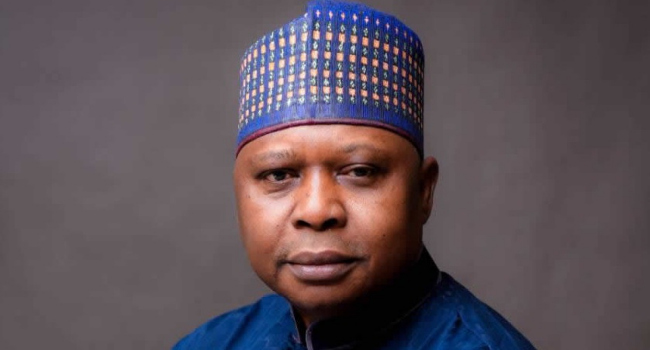
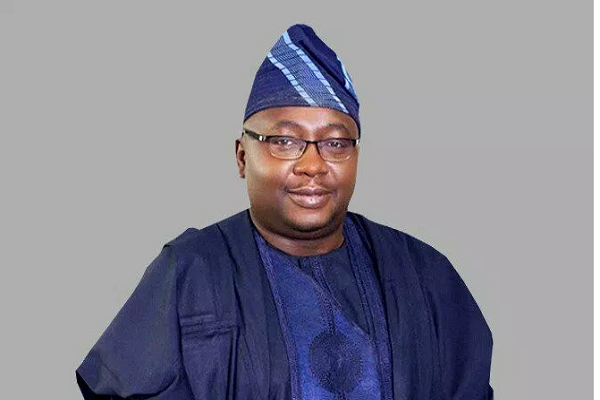
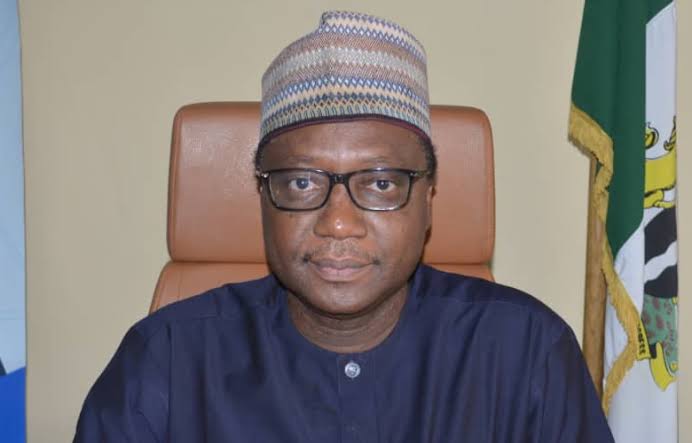
The Minister of Budget and Economic Planning, Senator Atiku Bagudu, also spoke at the summit, describing Nigeria’s economic outlook as promising. He said real GDP growth was expected to accelerate to 4.60 per cent in 2025, 4.43 per cent in 2026, and 5.52 per cent in 2027.
“This growth trajectory will be supported by a stable price environment, with inflation projected to moderate to 15.75 per cent in 2025, 14.21 per cent in 2026, and 10.04 per cent in 2027,” Bagudu said.
He noted that the projection was contingent upon consistent monetary policy focused on price stability and complementary fiscal consolidation.
“Our policy direction will continue to implement a market-driven exchange rate regime and fiscal sustainability, while addressing underlying structural challenges,” he added.
Bagudu reaffirmed the administration’s commitment to fostering inclusive and sustainable growth, enhancing macroeconomic predictability, and improving citizens’ welfare.
He explained that the economic reforms and policy initiatives being implemented were designed to address structural weaknesses, boost productivity, and position Nigeria for long-term prosperity.
“While we recognise the short-term hardships facing our people, we are confident that our policies will yield tangible benefits over time.
“The stabilisation of the exchange rate, declining inflationary pressures, and improvements in fiscal management are already setting the stage for a more resilient and diversified economy.
“Our focus remains on job creation, poverty reduction, increased non-oil revenue, and strengthening our external financial position.
“We are also taking development to the grassroots through the Renewed Hope Ward Development Programme,” he said.
Bagudu called on the private sector, development partners, and all Nigerians to support the Federal Government’s reform efforts.
“The journey towards economic transformation requires collective commitment, innovation, and perseverance.
“Together, we can build an economy that is inclusive, competitive, and capable of delivering shared prosperity for all,” he said.

