

















































































































































































































































































































































































































































































































































































































































































































































Amnesty International Urges Nigeria to Probe Killings, Disappearances in South-East

Amnesty International Urges Nigeria to Investigate Human Rights Abuses in South-East
Amnesty International has called on Nigerian authorities to urgently address the security crisis in the South-East region through transparent, impartial, and effective investigations into killings, assassinations, enforced disappearances, and other atrocities allegedly committed by both state and non-state actors since August 2015.
In a statement issued in Enugu on Tuesday, the international human rights organisation said the government’s persistent failure to act had created a “free-for-all reign of impunity” in which at least 1,844 people were killed between January 2021 and June 2023.
The group’s latest report, A Decade of Impunity: Attacks and Unlawful Killings in Southeast Nigeria, documents widespread unlawful killings, torture, enforced disappearances, and arbitrary arrests by armed groups, state-backed paramilitary forces, vigilante outfits, criminal gangs, and cult groups. It said the report provides the authorities with “adequate leads” to launch credible investigations that could end the cycle of impunity and deliver justice to victims.
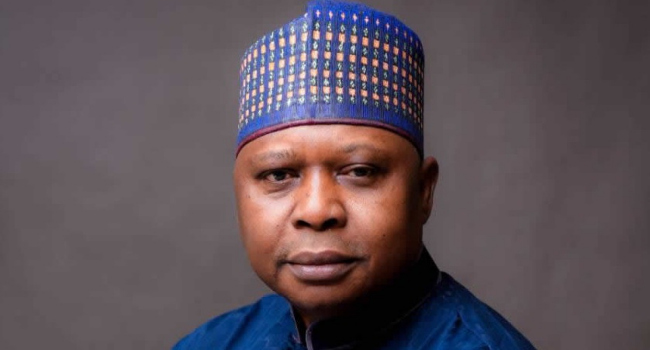
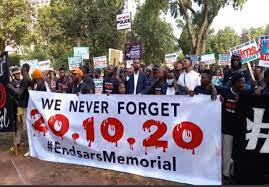
“The Nigerian authorities’ brutal clampdown on pro-Biafra protests from August 2015 plunged the South-East into an endless cycle of bloodshed, creating a climate of fear and leaving many communities vulnerable,” said Isa Sanusi, Director of Amnesty International Nigeria. “Assassinations of prominent individuals and attacks on highways, security personnel, and facilities are chilling reminders of the region’s insecurity.”
According to the report, Amnesty conducted interviews with 100 individuals — including survivors, relatives of victims, civil society members, lawyers, traditional and religious leaders — and carried out research missions in Owerri (Imo State), Asaba (Delta State), Obosi (Anambra State), and Enugu (Enugu State) between April and November 2023.
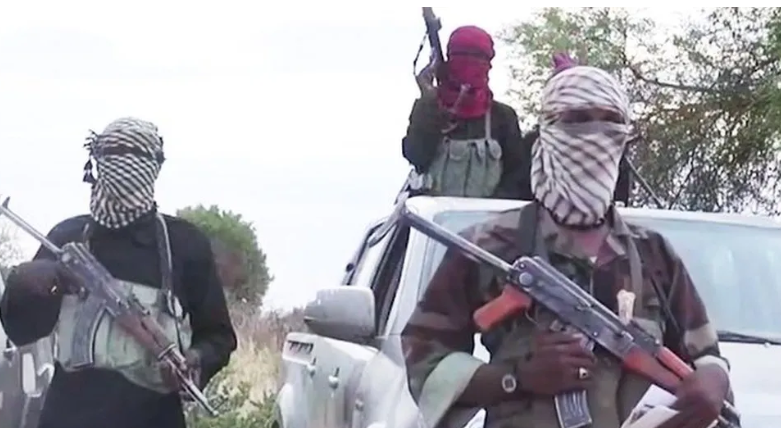
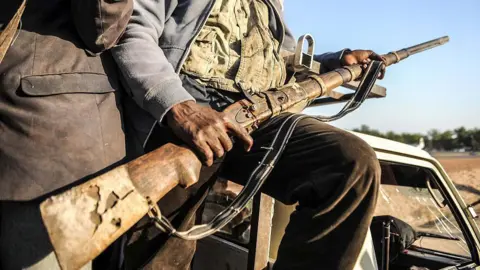
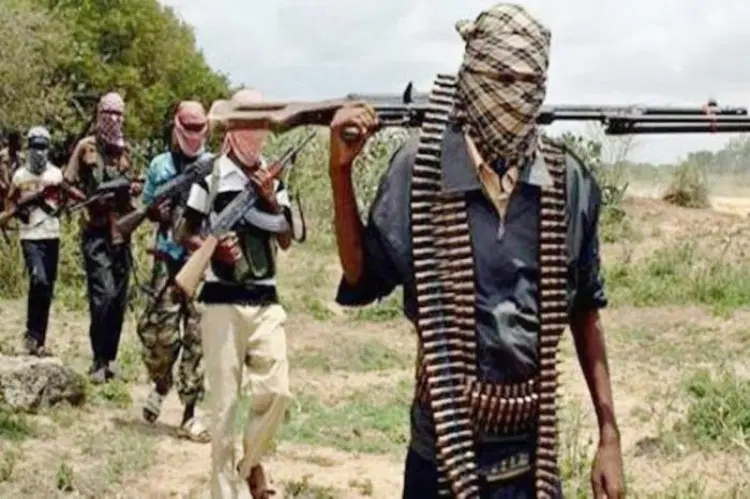
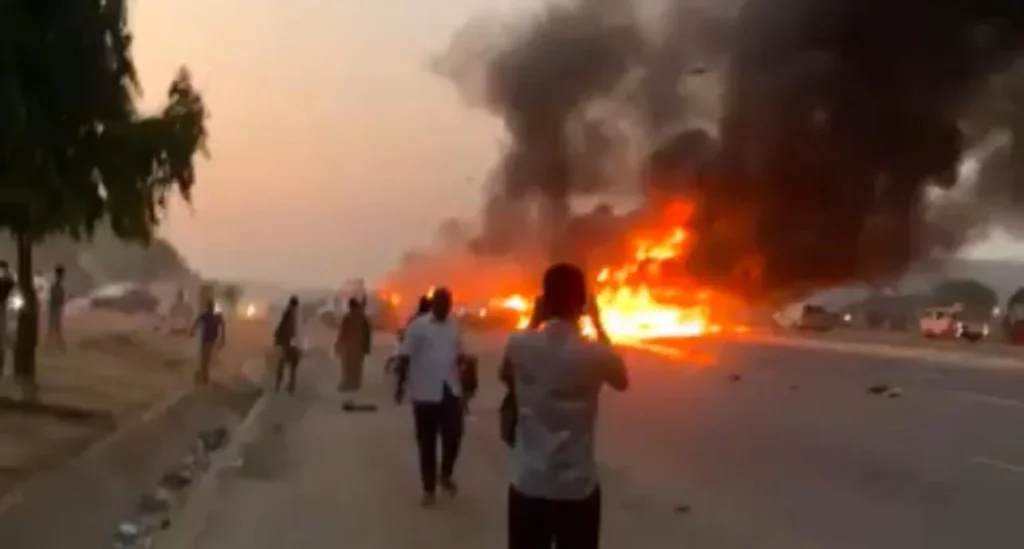
The organisation noted that over 400 people were killed in Imo State between January 2019 and December 2021, often by unmasked gunmen who attacked residents, police stations, and vigilante offices. These raids have triggered reprisal attacks that left many dead or injured.
Victims recounted how armed gangs extort money from communities during burial ceremonies and weddings, violently punishing anyone who resists. One survivor from Ihiala, Ebulie, told Amnesty International:
“The ‘unknown gunmen’ are armed — some carry guns, cutlasses, and machetes. If they come for an attack and anyone blocks their way, they will kill them. It has been a terrible situation; people are scared.”
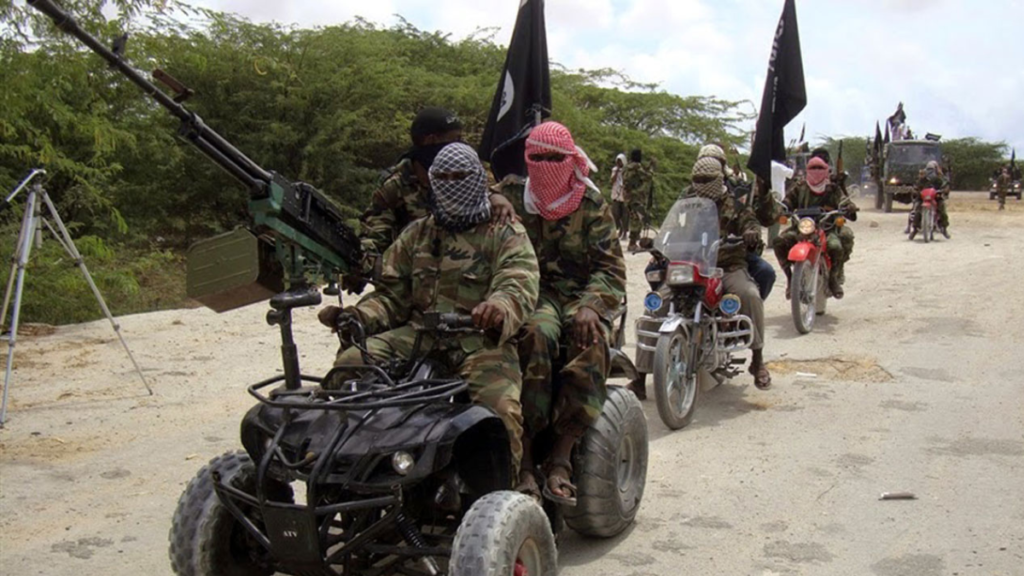
The authorities continue to blame the Indigenous People of Biafra (IPOB) and its militant wing, the Eastern Security Network (ESN), for most of the deadly attacks. However, Amnesty noted that the enforcement of a sit-at-home order declared by IPOB/ESN on 9 August 2021 also resulted in human rights violations, with people beaten or even killed for defying the directive.
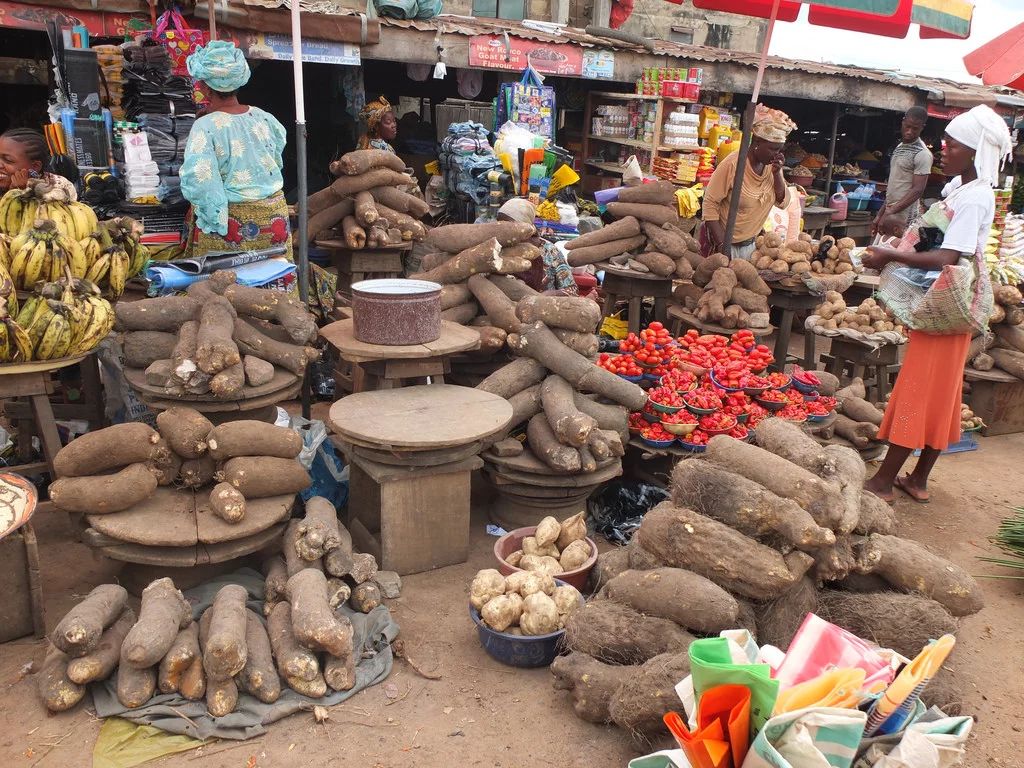
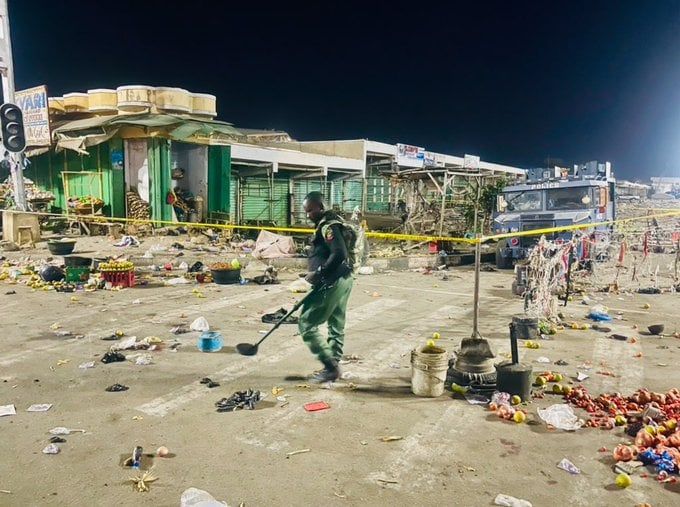
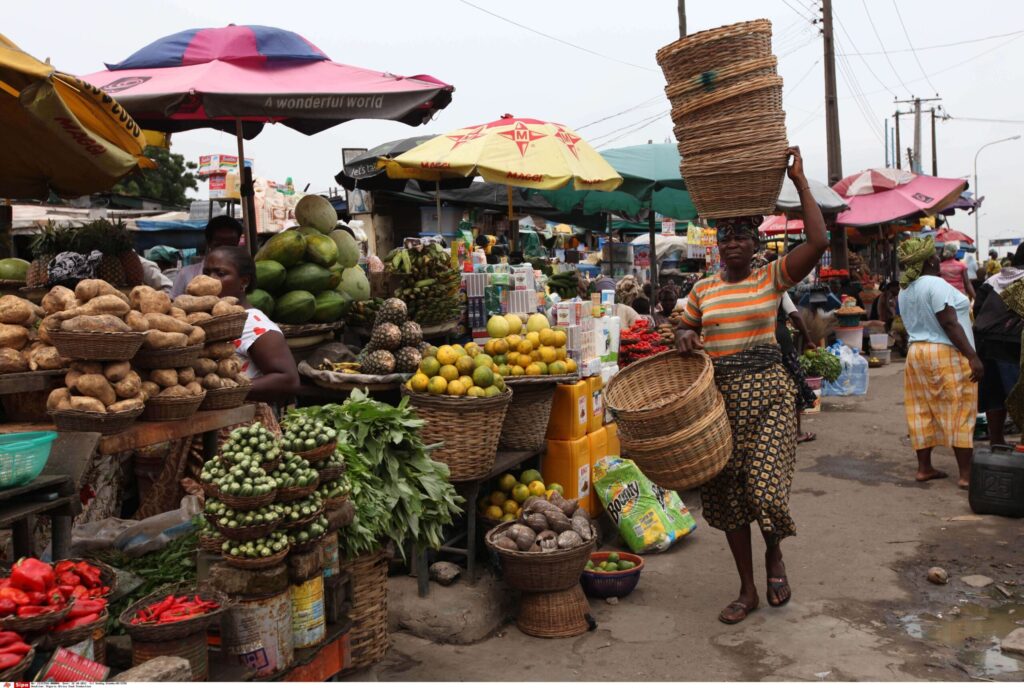
“Schools have been shut and exams disrupted, forcing children to stay at home. Markets have closed, inflicting harsh economic consequences across Abia, Anambra, Ebonyi, Enugu, and Imo States,” Amnesty said.
It further stated that insecurity in the South-East had severely affected people’s rights to life, safety, freedom of movement, and liberty, with many avoiding their hometowns for fear of abduction or attack. Traditional marriage and burial ceremonies, once held in ancestral homes, are now conducted elsewhere.
The report also highlighted that some communities, including Agwa and Izombe in Oguta Local Government Area of Imo State and Lilu in Ihiala LGA of Anambra State, have been overrun by gunmen who displaced residents, sacked traditional rulers, and seized control.
Amnesty further accused the state-backed Ebube Agu security outfit, established by South-East governors in April 2021, of harassing opponents and critics of state governments, and committing acts of torture, extrajudicial execution, and destruction of property.
It said Nigerian security forces, including the military and police, have also engaged in unlawful killings, arbitrary arrests, torture, enforced disappearances, and destruction of homes during operations in the region.
“Despite the scale of these atrocities, justice and reparations remain elusive for the victims,” Sanusi said. “No one knows exactly how many have been killed since 2015; many remain missing or forcibly disappeared. The wave of high-profile assassinations and the constant fear of attack reveal how badly authorities are failing to protect lives and property.”
Amnesty called on the government to uphold its constitutional and international obligations by protecting citizens’ rights to life, safety, and liberty, and by conducting prompt, transparent, and independent investigations into all alleged abuses.