

















































































































































































































































































































































































































































































































































































































































We Earned Salary Without Working, Beneficiaries of Govt Racketeering Reveal


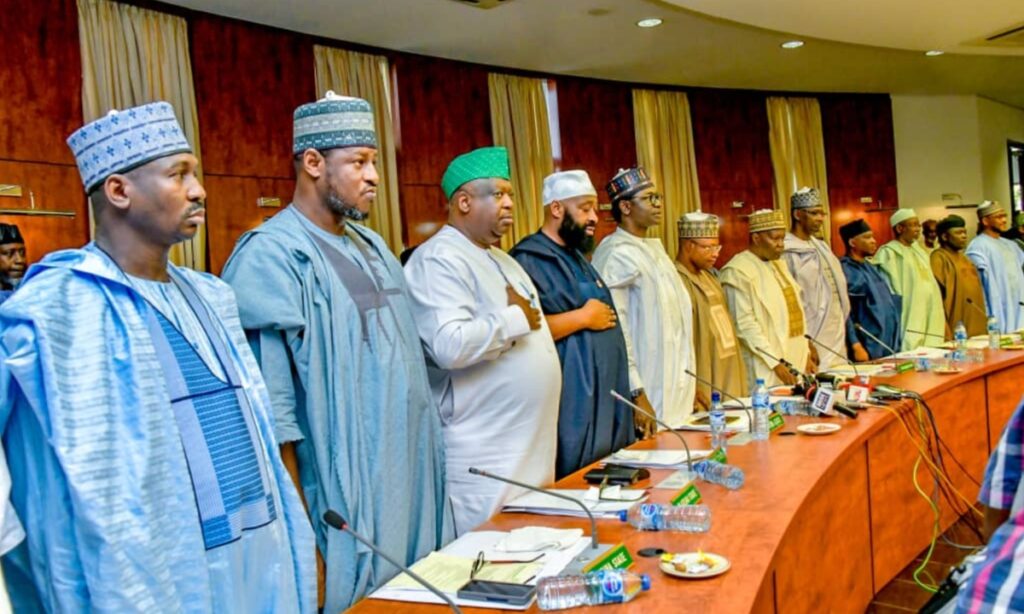
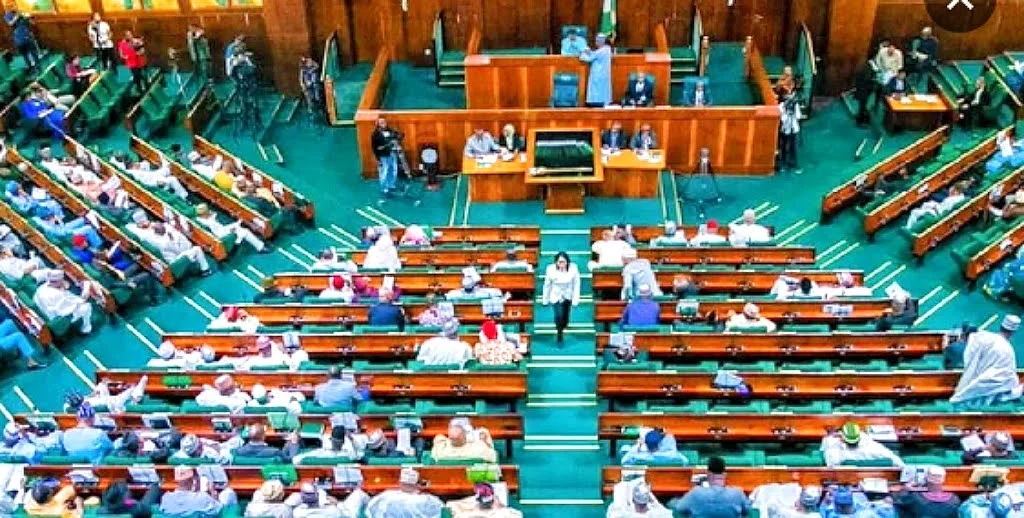
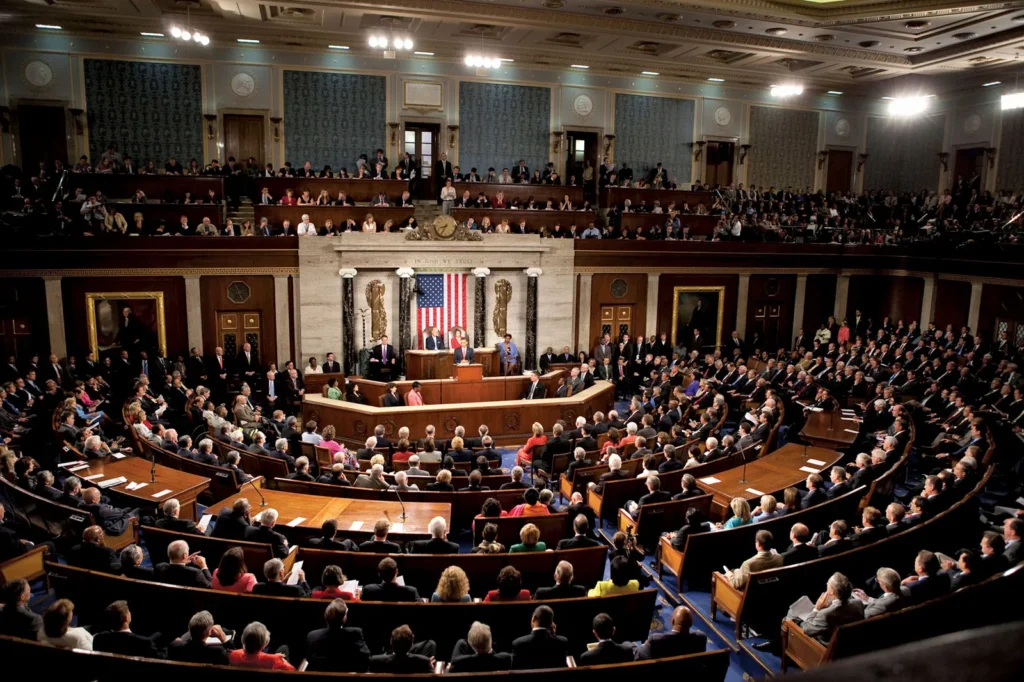
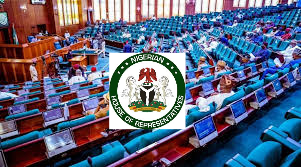
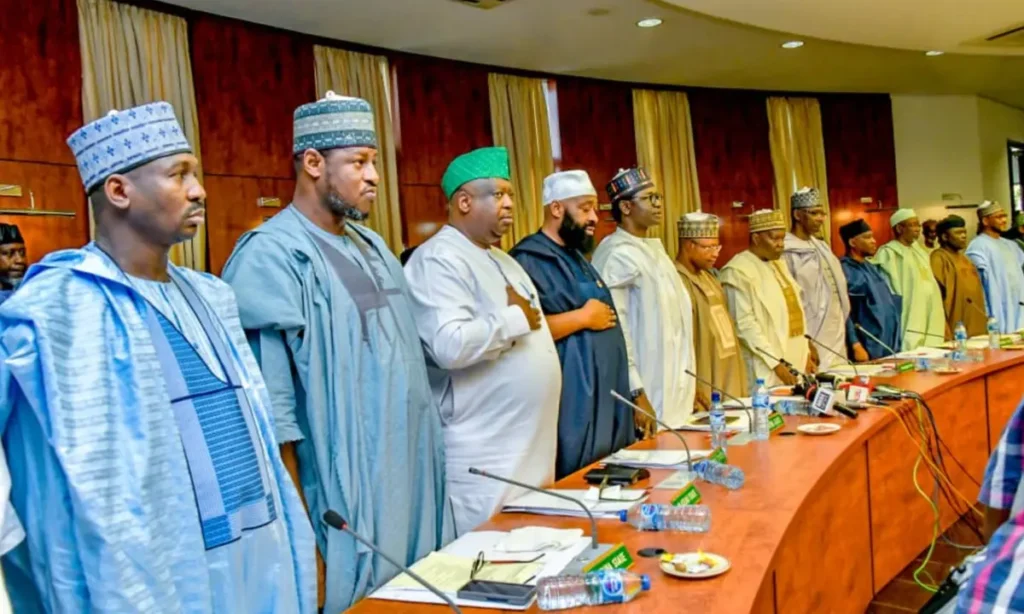
Fourteen individuals appeared before the House of Representatives committee tasked with investigating instances of job racketeering within the Federal Character Commission (FCC).
These witnesses shared that they have been receiving salaries from the Federal Government despite lacking actual job placements. The salaries were reportedly facilitated through the Federal Government’s Integrated Payroll and Personal Information System (IPPIS).
During their testimony, the witnesses disclosed that they had made payments to Mr. Haruna Kolo, the former FCC IPPIS Desk Officer, and Chief of Protocol to FCC Chairman, Mrs. Farida Dankaka, as part of their efforts to secure favorable considerations.
Mr. Gbadamosi Jalo, one of the witnesses, explained that Kolo guided him through the IPPIS registration process, leading to the receipt of salaries. However, Jalo stated that he had not been assigned to any government ministry, department, or agency, despite possessing an appointment letter ostensibly issued by the National Institute of Oceanography.
Jalo further testified that he had made payments to Kolo, who informed him that the funds were being received on behalf of the FCC chairperson. This claim was reinforced by Mr. Gambo Yisha’u, a driver to the Commissioner representing Taraba at the FCC.
Similar allegations were presented by twelve additional witnesses, all of whom asserted that they had paid money to Kolo but remained unassigned to any governmental entity.
In a separate testimony, Mr. Musa Ibrahim, a potential beneficiary of the scheme, detailed payments made to Mr. Abdullahi Azareh, acting as a linkman to the FCC commissioner representing Nasarawa State.
Ibrahim revealed that Azareh’s arrest by Nasarawa State police following numerous complaints and petitions was subsequently followed by his release, purportedly due to intervention by FCC commissioners.
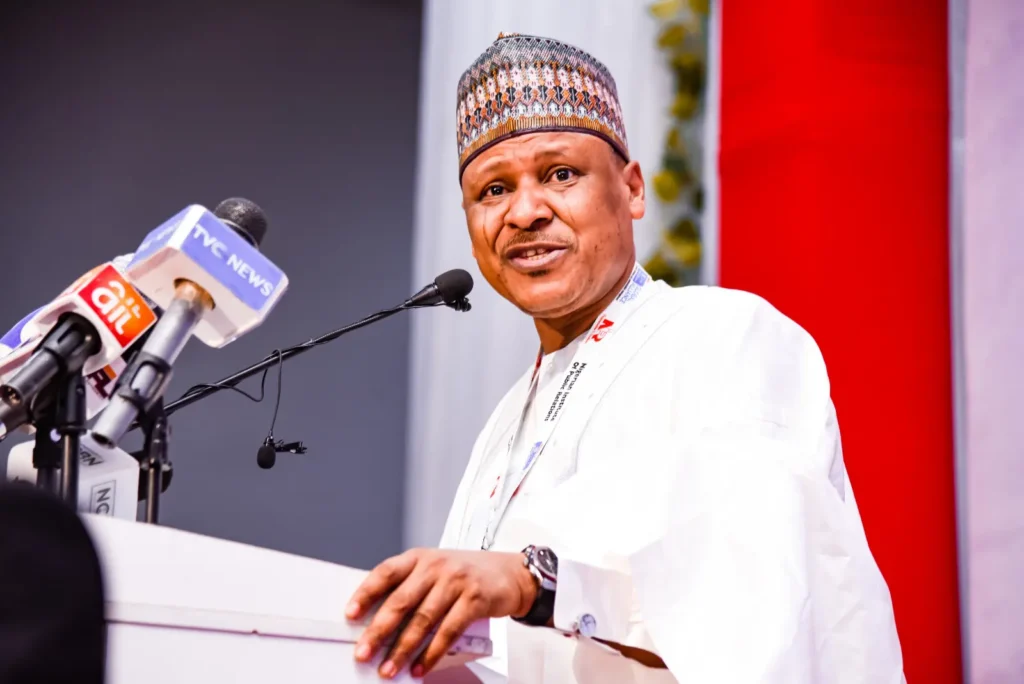
Committee Chairman Rep. Yusuf Gagdi emphasized that the witnesses were summoned based on evidence found within their account statements and payments to Kolo. While clarifying that the committee did not possess prosecutorial powers, Gagdi affirmed their commitment to uncovering the truth and suggesting appropriate punitive measures.
Gagdi criticized the apparent vulnerabilities within the IPPIS system, questioning its ability to register payees without proper authorization. He underscored the committee’s determination to scrutinize the bank accounts of all FCC commissioners and intermediaries linked to them.
The investigation continues as the committee delves deeper into the allegations of job racketeering within the FCC.