

































































































































































































































































































































































































































































































































































































































































































Falana: Compulsory Voting Bill Violates Constitution, Must Be Withdrawn


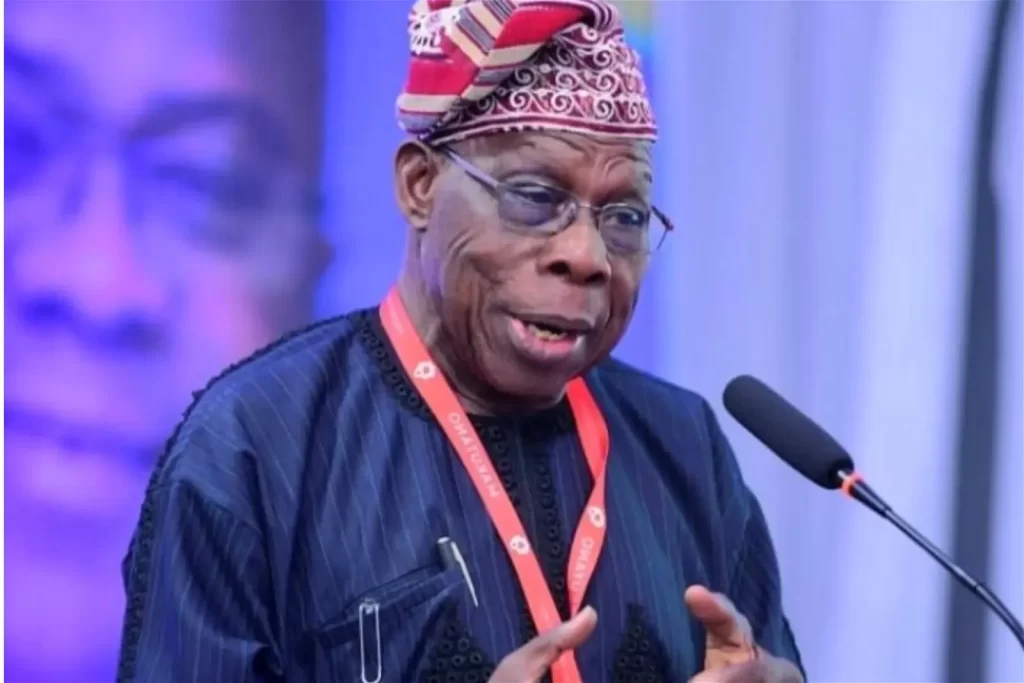
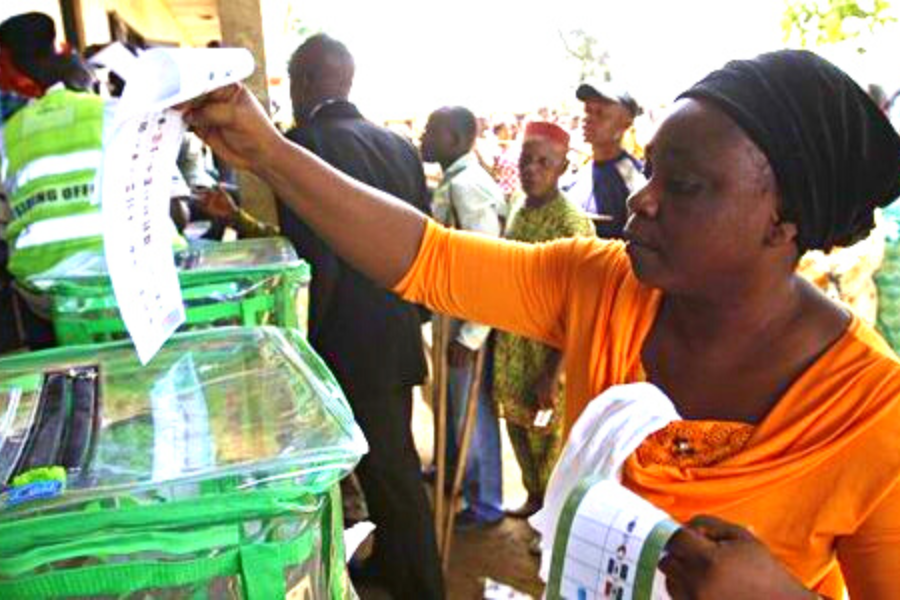
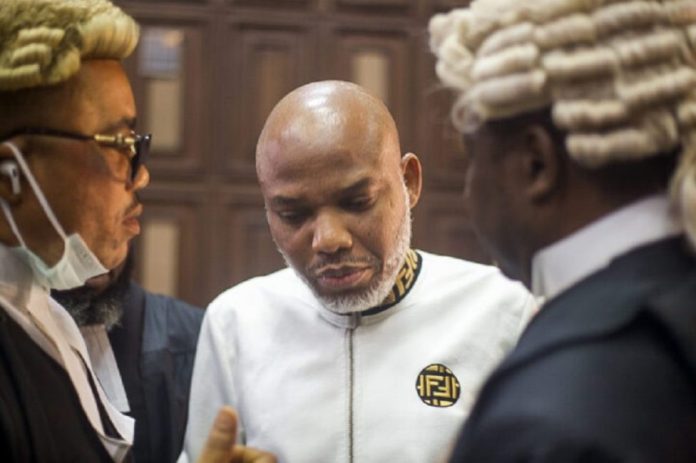
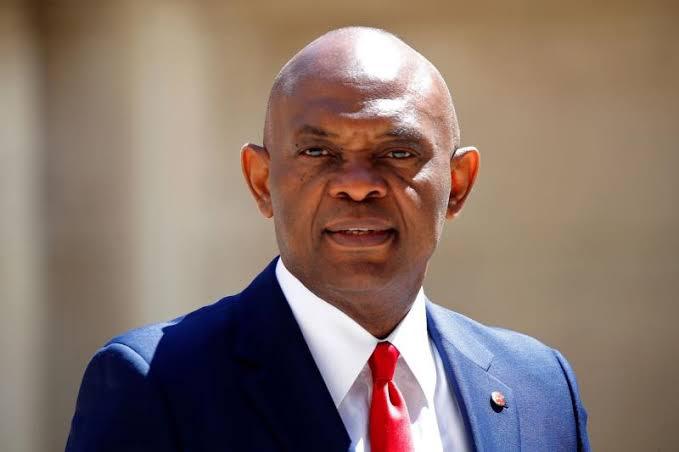
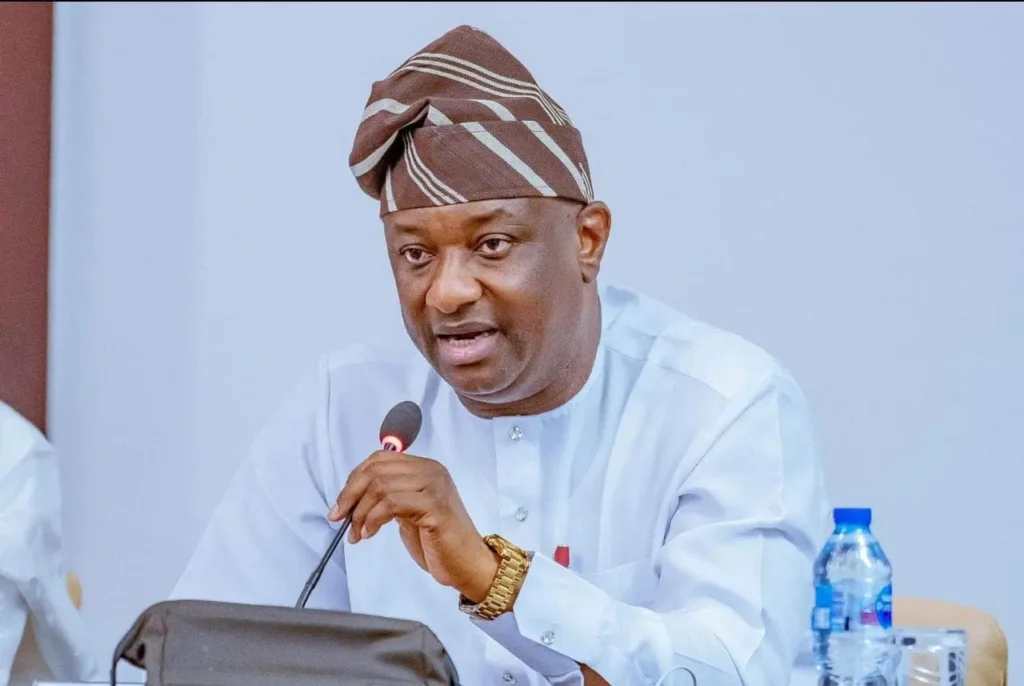
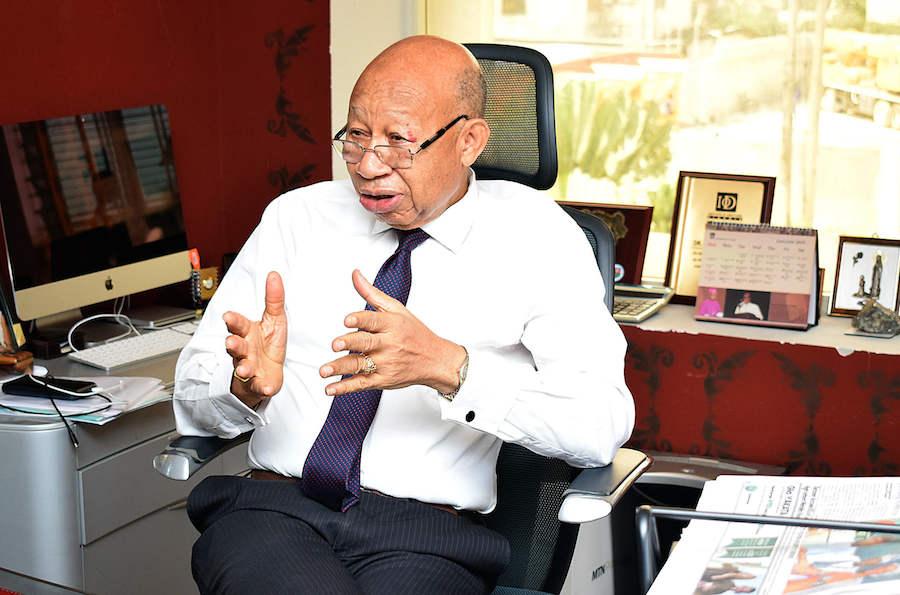
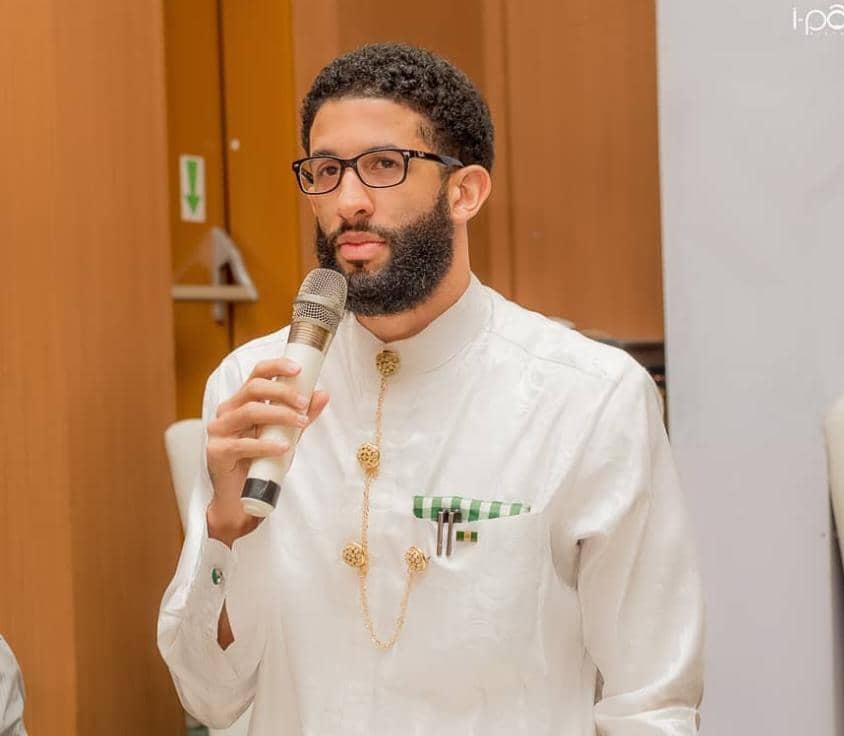
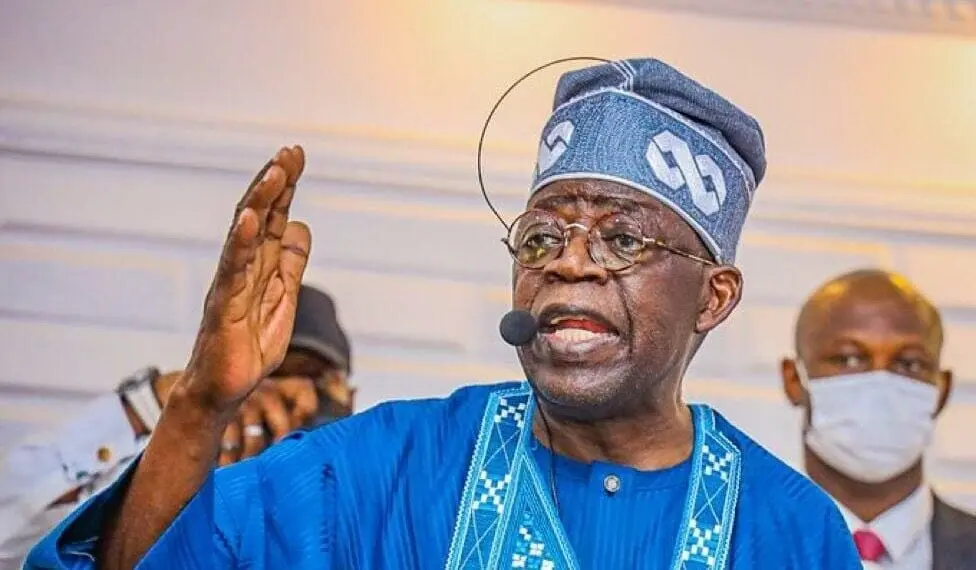
Prominent human rights lawyer and Senior Advocate of Nigeria, Femi Falana, has condemned the proposed bill to make voting mandatory in Nigeria, declaring it unconstitutional and unfeasible under existing legal frameworks.
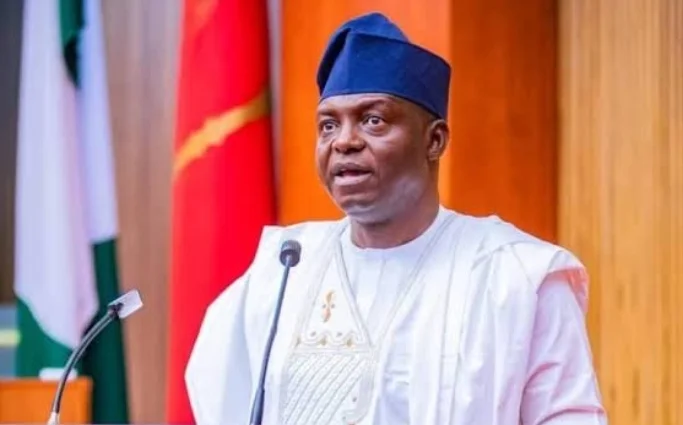
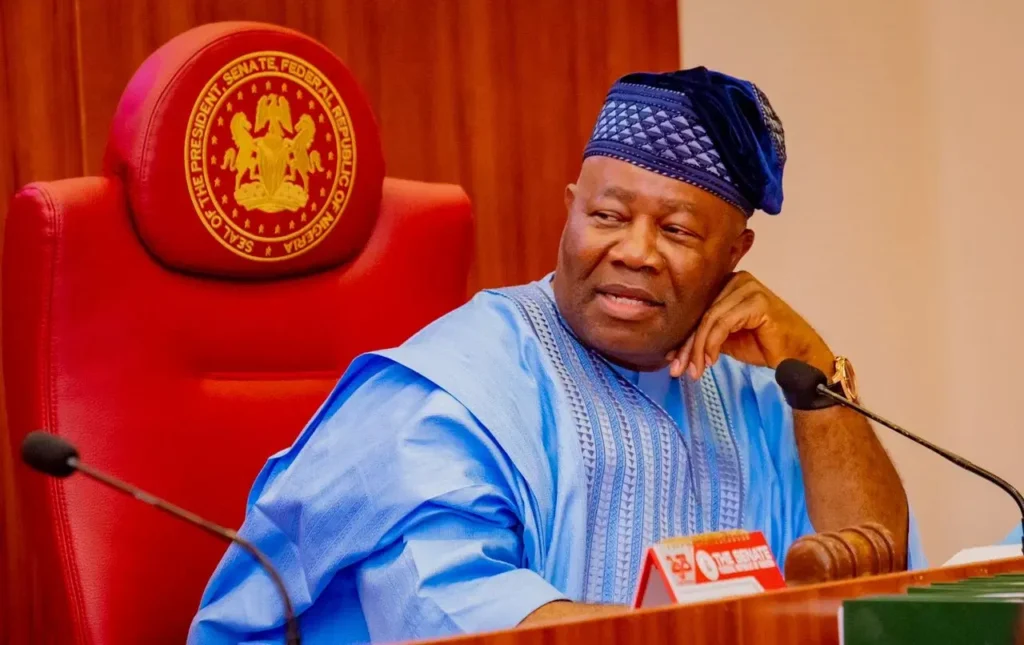
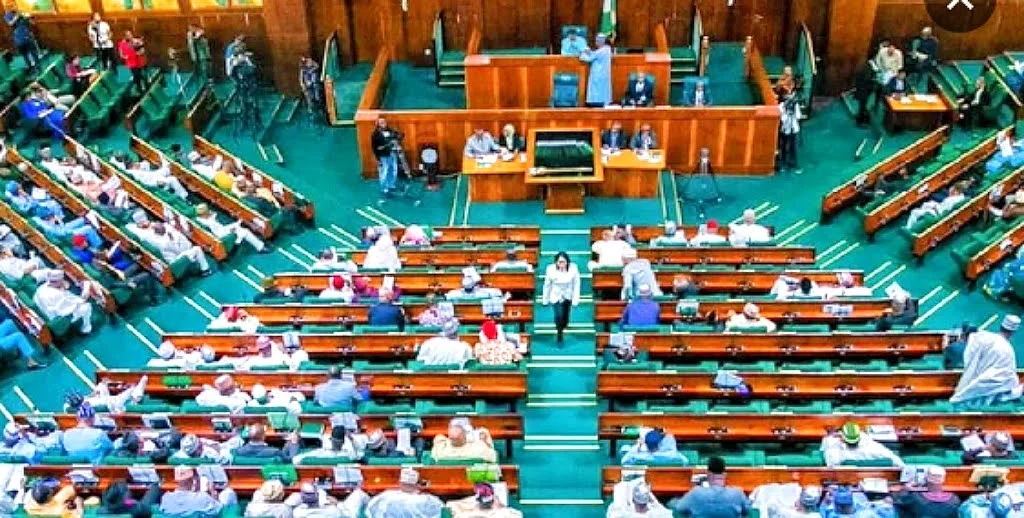
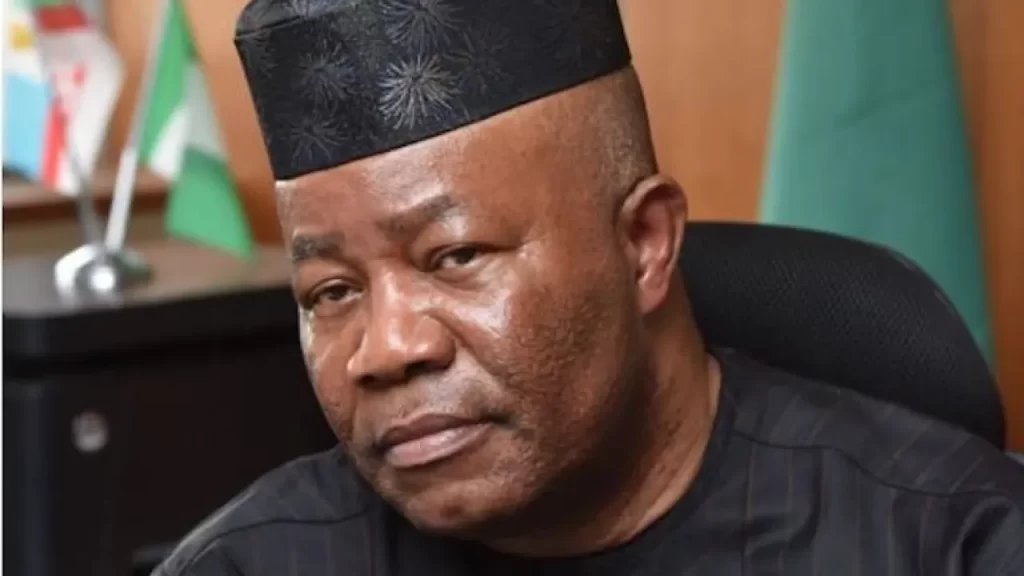
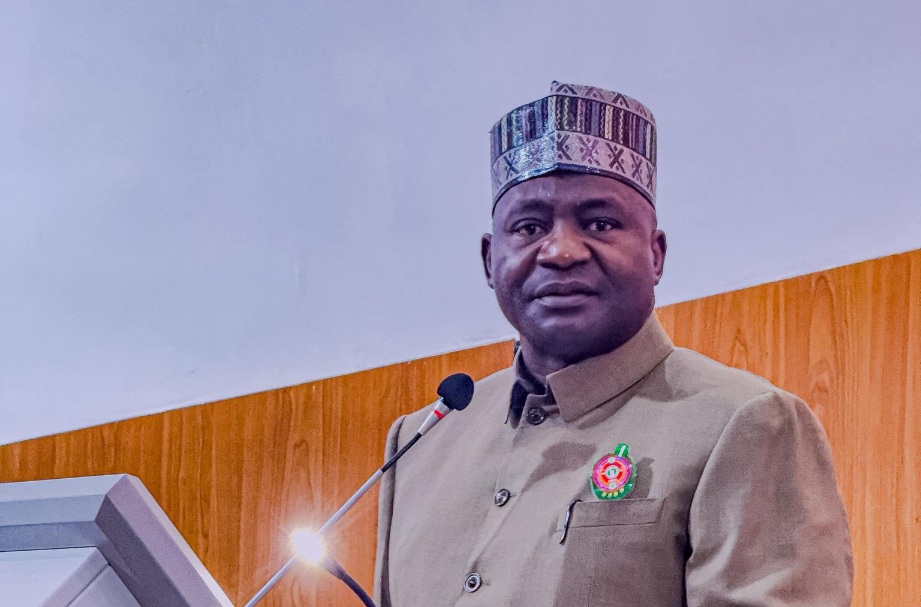
The bill—sponsored by Speaker of the House of Representatives Tajudeen Abbas and Labour Party MP Daniel Asama Ago—seeks to amend the Electoral Act to compel all eligible Nigerians to vote in elections or face a six-month jail term or a ₦100,000 fine.
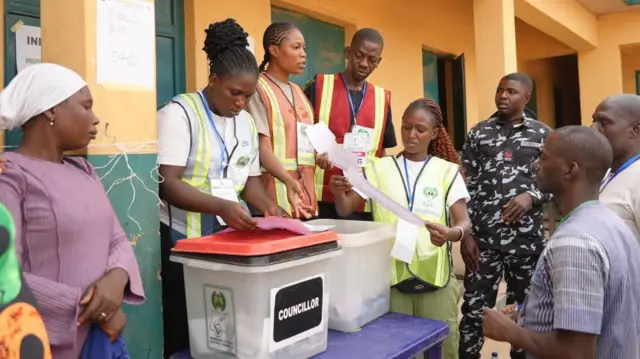
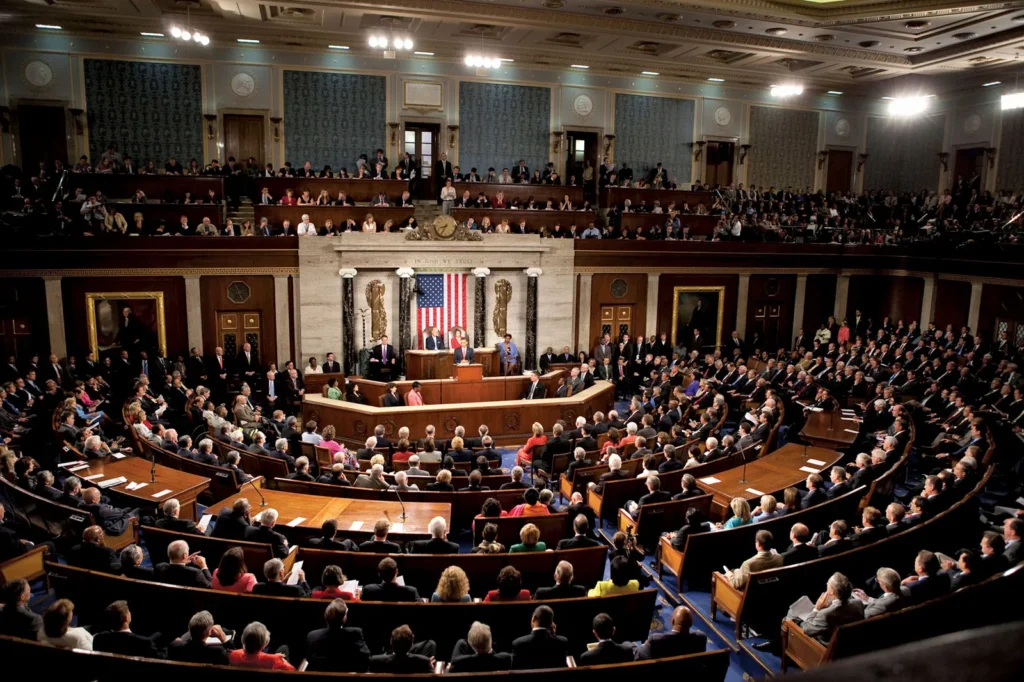
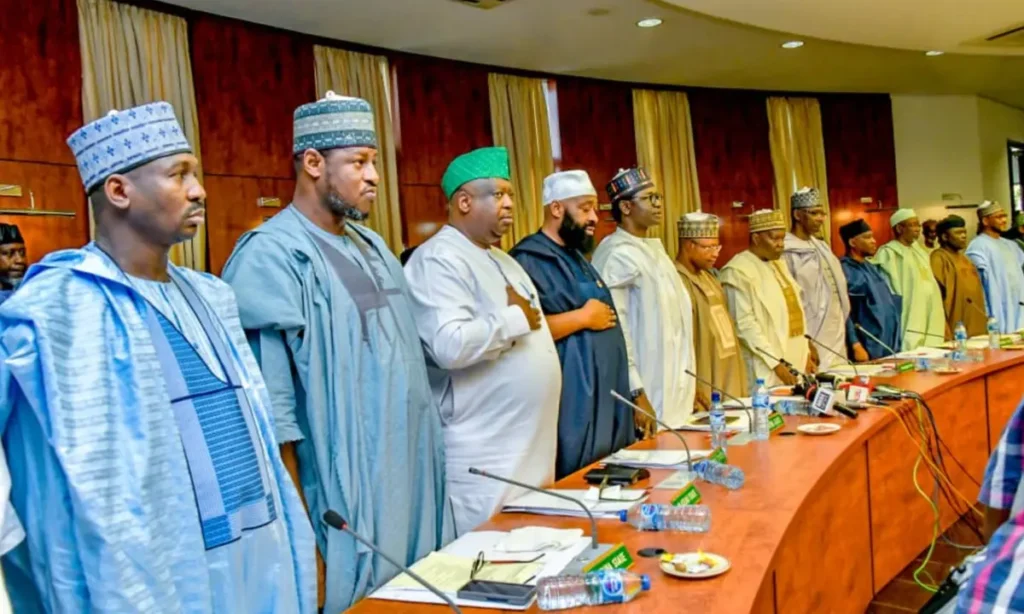
During Thursday’s plenary, Ago, representing Bassa/Jos North, defended the bill as a means to tackle voter apathy and vote-buying. Deputy Speaker Benjamin Kalu supported the idea, citing Australia as a model.
But in a statement titled ‘Compulsory Voting is Not Enough’, Falana countered that the proposal violates citizens’ constitutional rights to privacy, thought, and conscience.
He warned that the bill contradicts Sections 37, 38, 77(2), 135(5), and 178(5) of the 1999 Constitution, and that its foundation is legally unsound since the directive principles it seeks to enforce—contained in Chapter II of the Constitution—are non-justiciable.
“Compulsory voting cannot be legalised in a vacuum,” Falana argued. “It is practically impossible to prosecute millions of Nigerians who may choose to boycott flawed elections marred by corruption and misgovernance.”
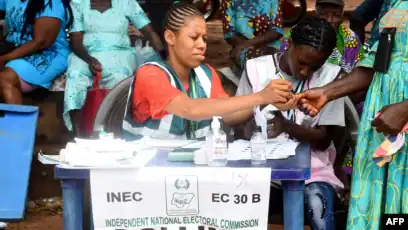
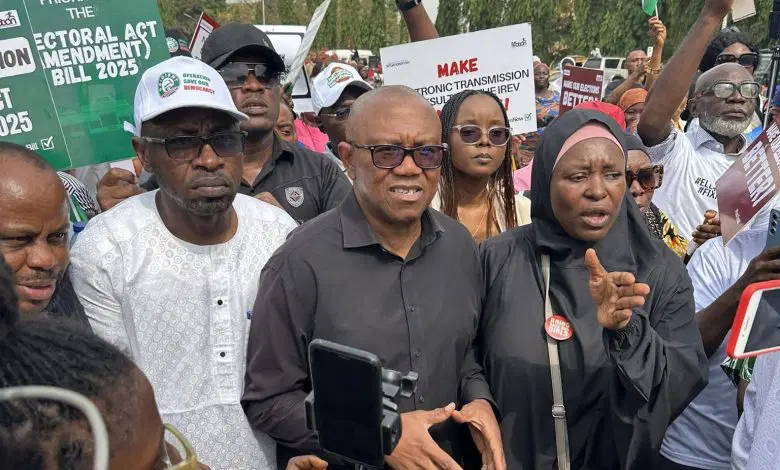
He called on the National Assembly to withdraw the bill and focus instead on amending the Electoral Act to give legal backing to technologies like BVAS and IReV, and to adopt key reforms from the Uwais Electoral Reform Panel.
Falana cited several court cases reinforcing constitutional protections, including Nwali v. Ebonyi State INEC (2014), Medical and Dental Practitioners v. Okonkwo (2001), and Digital Rights Lawyers Initiative v. NIMC (2020).
He added that compulsory voting would only be justifiable if Chapter II were made enforceable, aligning with Article 13(1) of the African Charter on Human and Peoples’ Rights, which supports participatory governance.

