













































































































































































































































































































































































































































































































































































































































‘Budget Padding, Fake Projects, Payroll Fraud’: EFCC Exposes Governance Failures


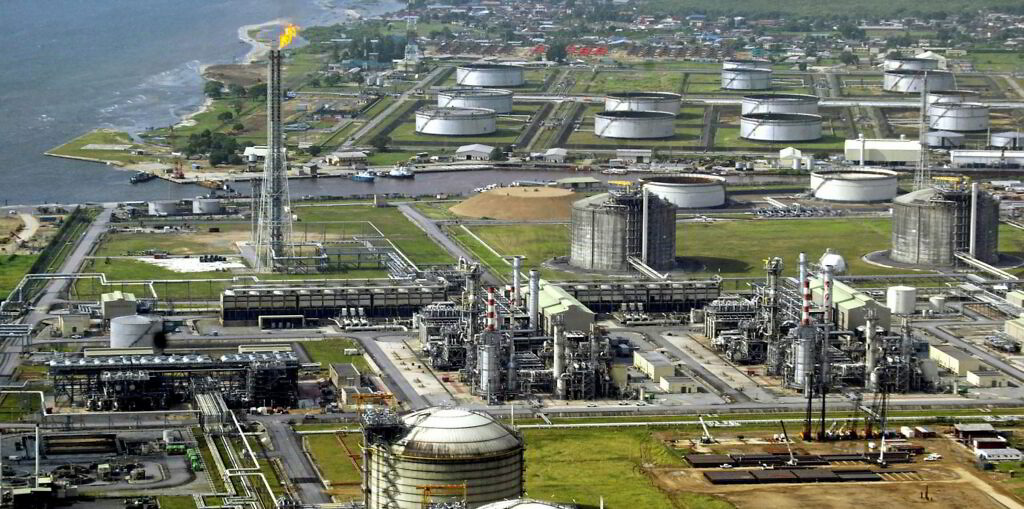
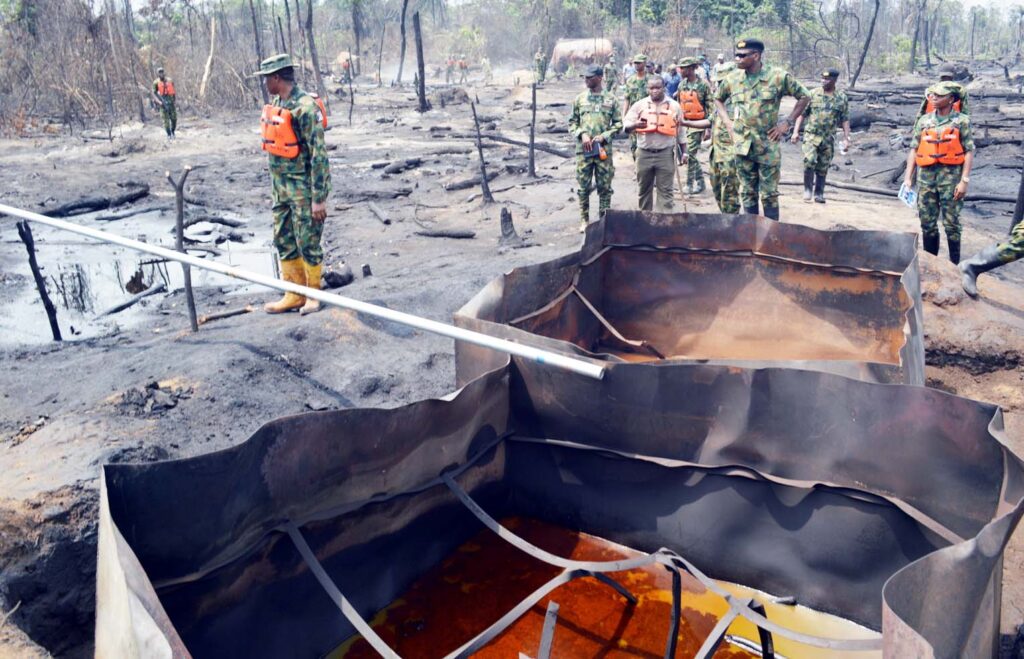
The Economic and Financial Crimes Commission (EFCC) has raised concerns over the lack of transparency in Nigeria’s oil and gas sector, warning that unverified transactions, budget padding, and lax oversight are driving corruption and inefficiency in public finance.
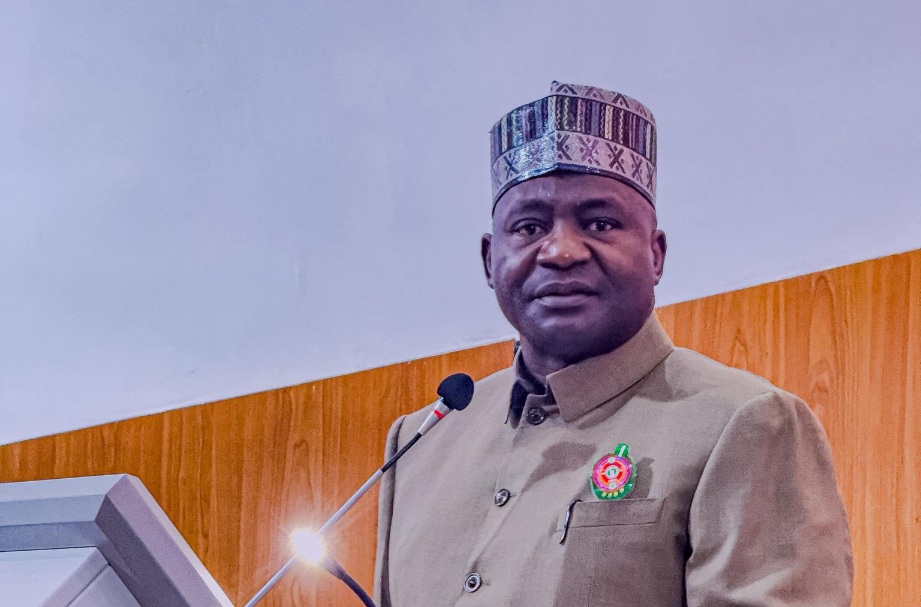
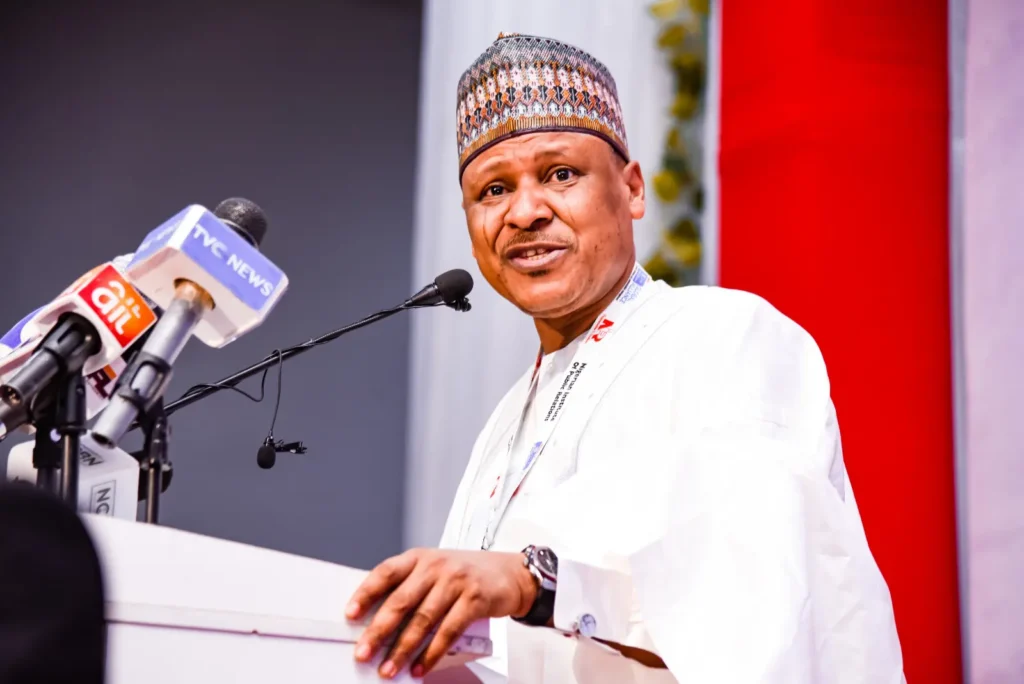
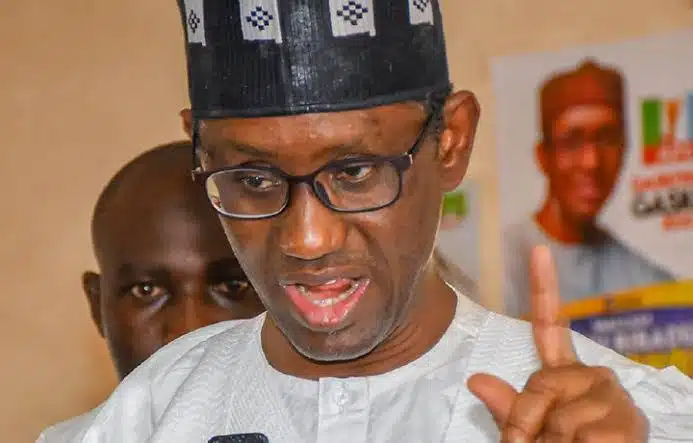
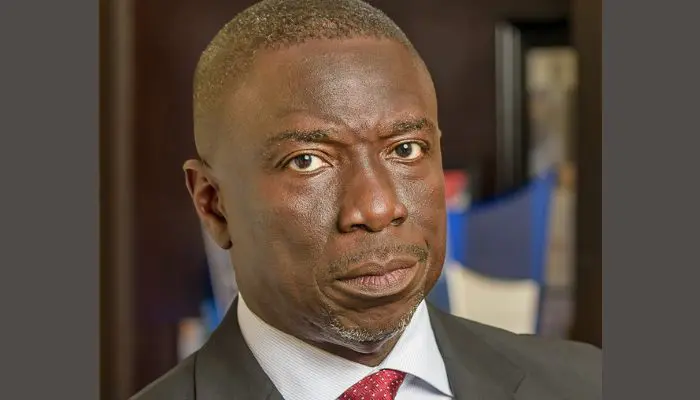
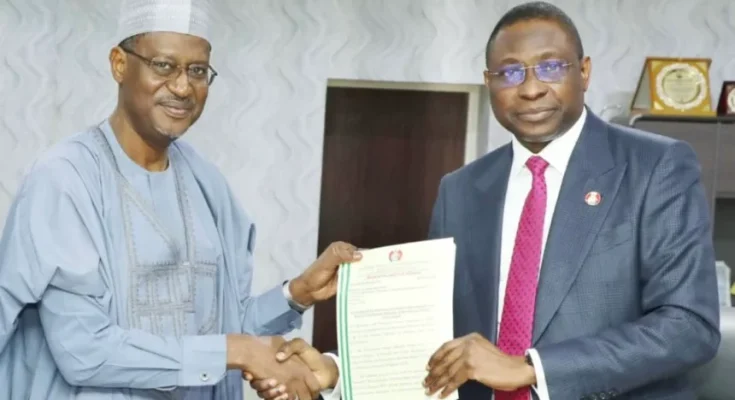
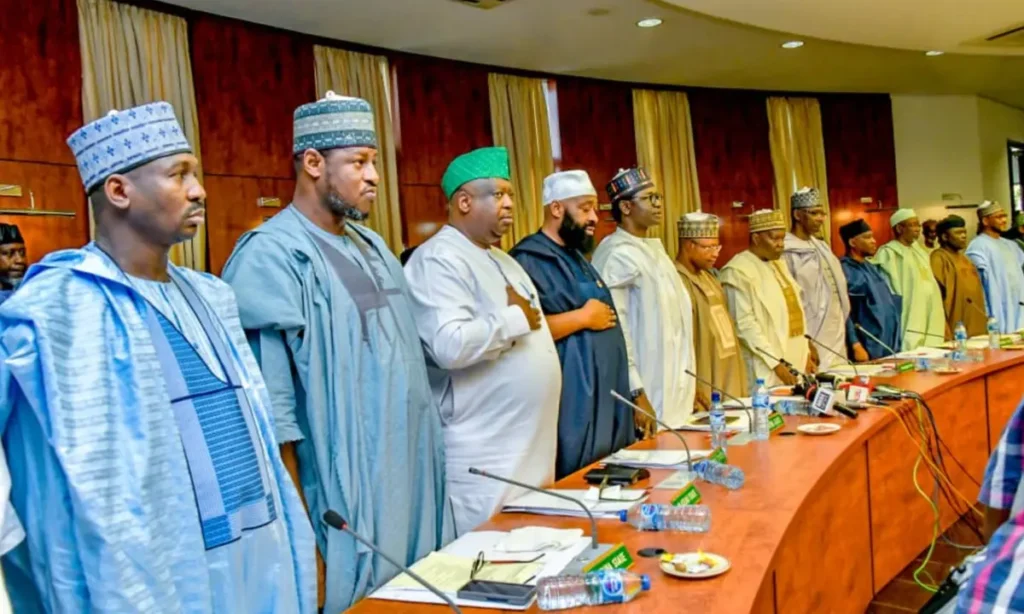
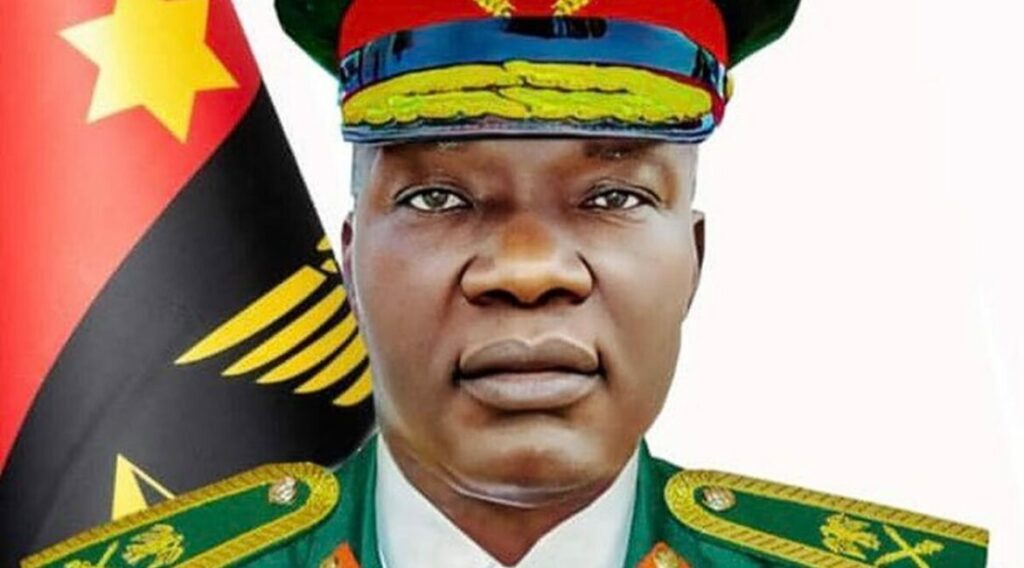
Speaking at the National Conference on Public Accounts and Fiscal Governance in Abuja, the EFCC Chairman, Ola Olukoyede, represented by the Director of Public Affairs, Wilson Uwujaren, criticised poor financial practices in key sectors.
He said non-compliance with financial regulations, overspending beyond approval limits, diversion of public funds into private accounts, and fictitious projects in padded budgets were eroding Nigeria’s fiscal integrity.
Olukoyede identified fraudulent manipulation of digital platforms like the Government Integrated Financial Management Information System (GIFMIS) and the Integrated Payroll and Personnel Information System (IPPIS) as major enablers of payroll fraud across several Ministries, Departments, and Agencies (MDAs).
“Opaque financial reporting, particularly in the oil and gas sector where earnings are often speculative, remains one of the most alarming weaknesses in our system,” he said. “Such vulnerabilities feed corruption and destroy public trust.”
Despite numerous reform efforts, Olukoyede noted a persistent gap between policy intent and actual public benefit. “We must move beyond paper reforms to institutional enforcement,” he stressed.
On asset recovery, he revealed that the EFCC had returned trillions of naira to the national treasury, including Nigeria’s largest real estate recovery—750 duplexes seized in Abuja.
Recovered funds have been channelled into key national initiatives such as the Nigerian Education Loan Fund (NELFund) and the Consumer Credit Scheme (CREDICORP).
The EFCC is also collaborating with the Ministry of Housing to convert confiscated properties into affordable housing for low-income Nigerians.
However, Olukoyede emphasised that the real work remains ahead. He called for institutionalised real-time digital tracking of budgets and projects, public access to spending data, and a stronger whistleblowing framework.
“To close procurement and payroll loopholes, we must invest in digital systems and ensure active citizen participation,” he said. “No system will succeed without the right people. That’s why we’re advocating integrity testing for all public officials across MDAs.”

