



































































































































































































































































































































































































































































































































































































Tinubu Urges Governors to Prioritise Rural Development, Poverty Eradication

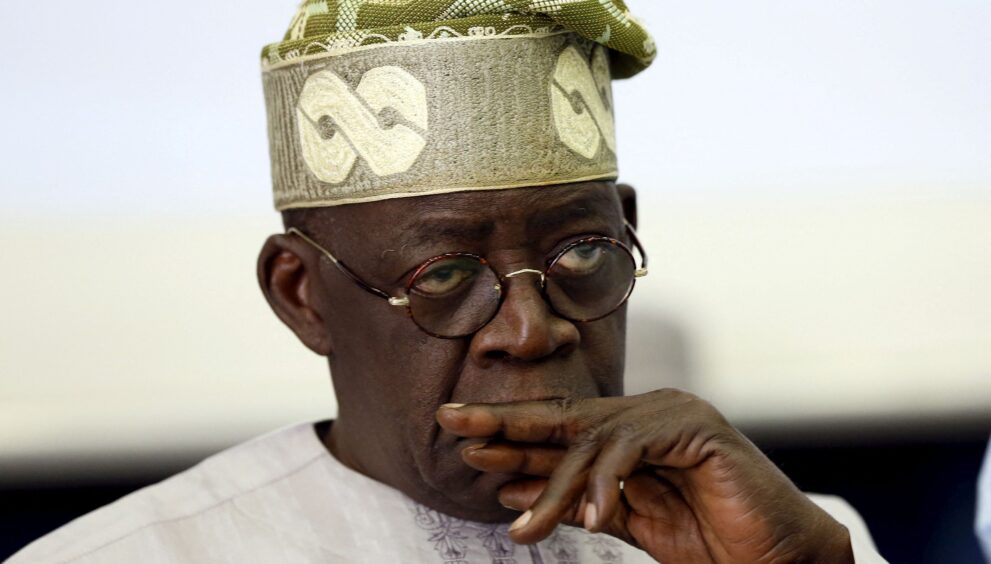
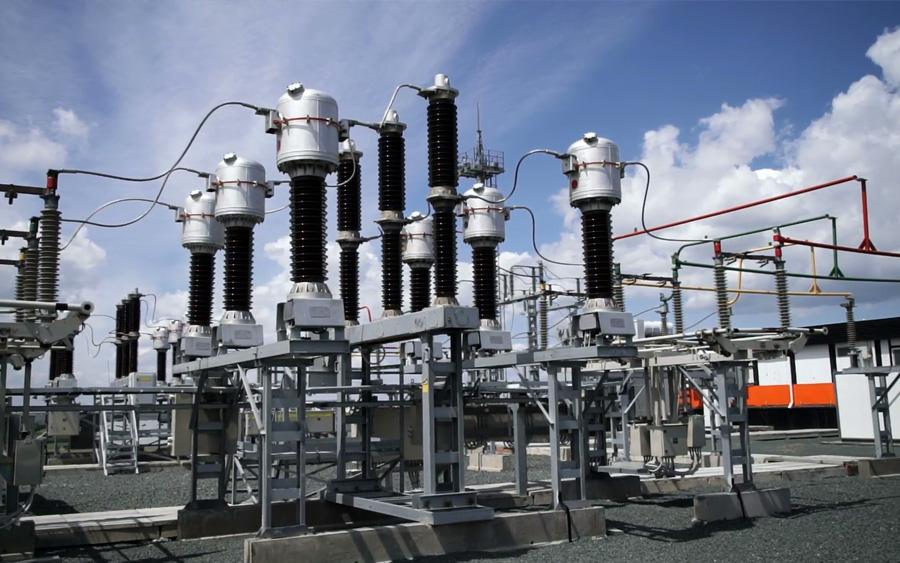
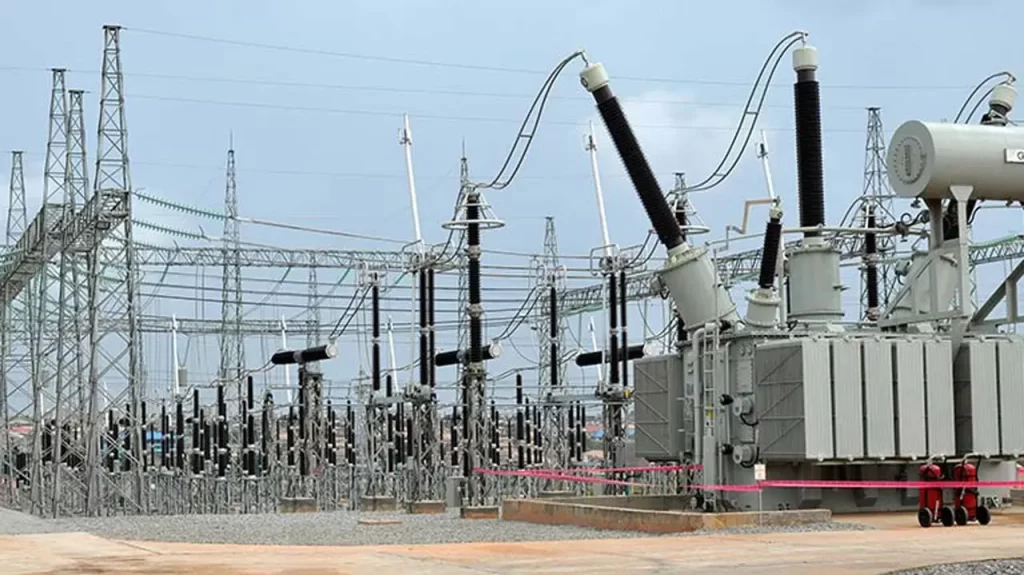
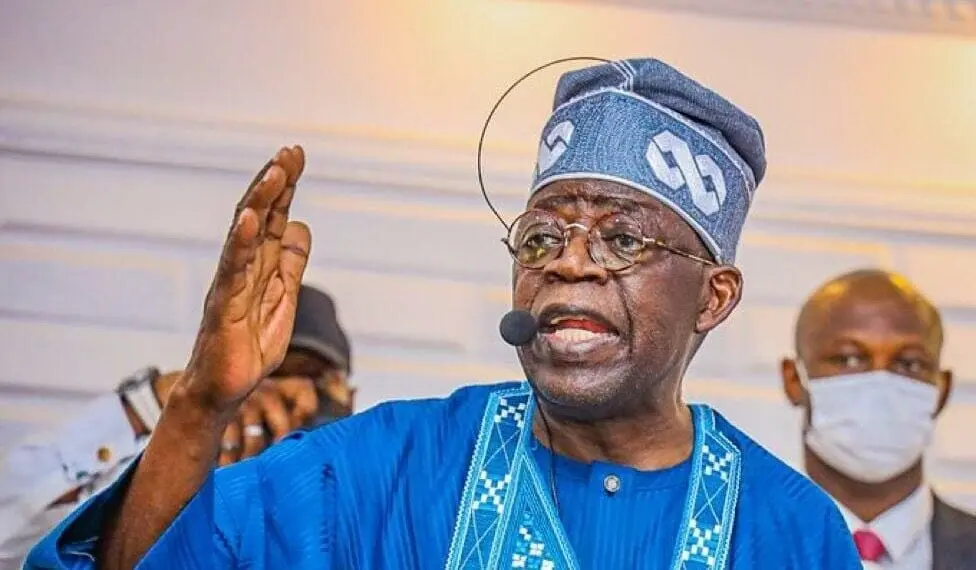
President Bola Tinubu has called on state governors to increase investments in rural electrification, agricultural mechanisation, poverty eradication, and infrastructure, stressing the need to improve the welfare of Nigerians.
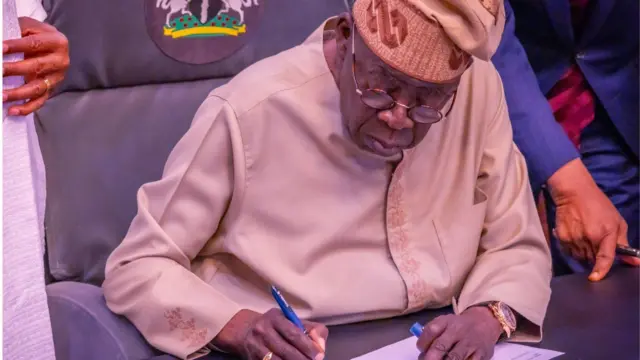
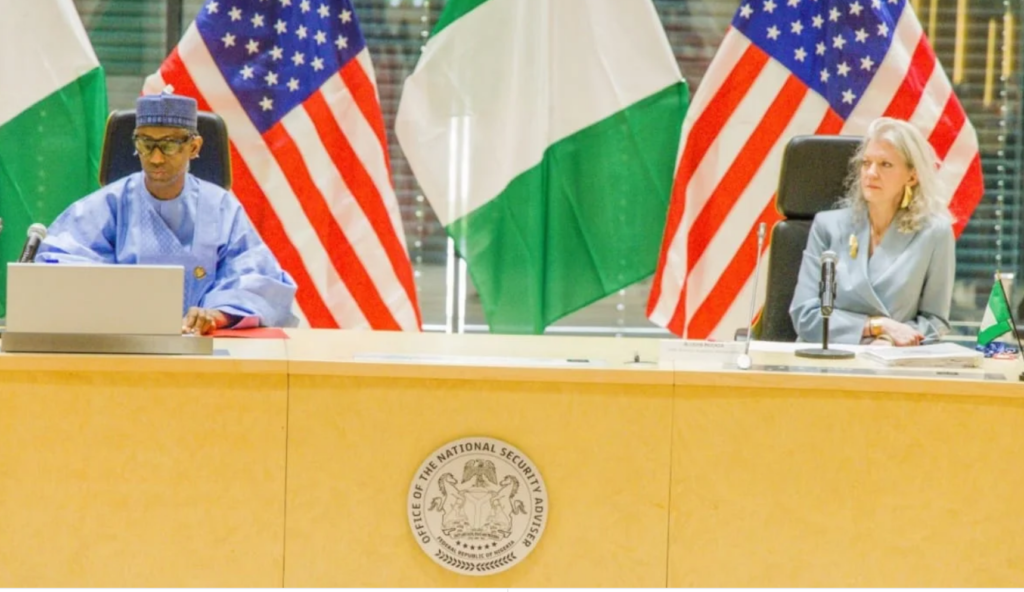
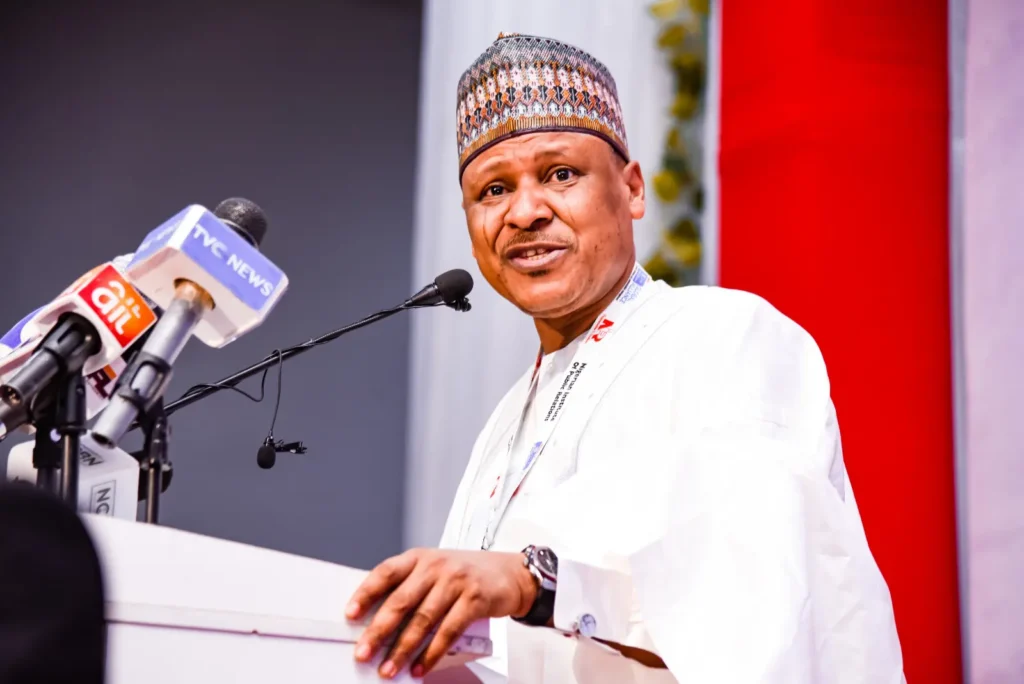
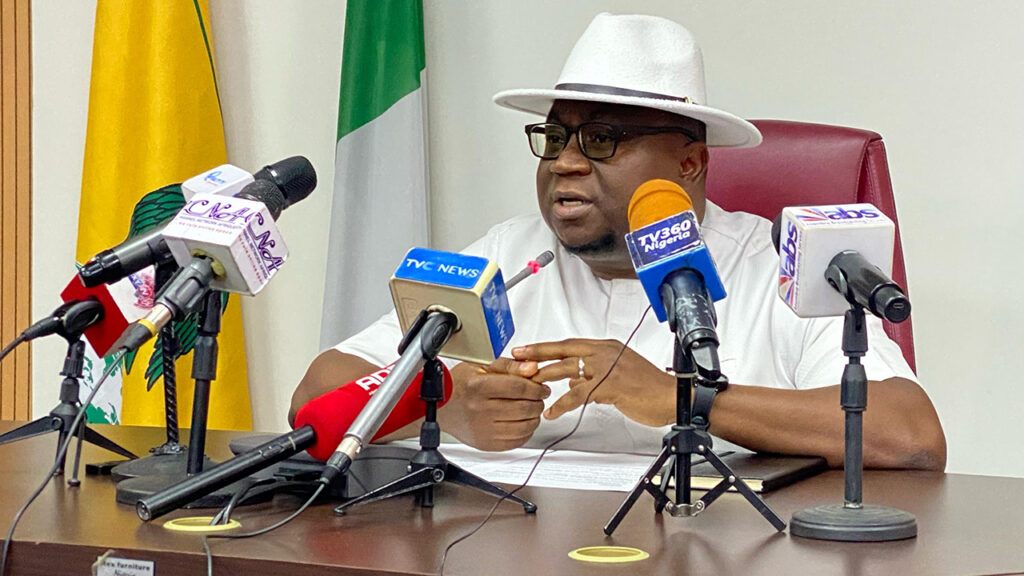
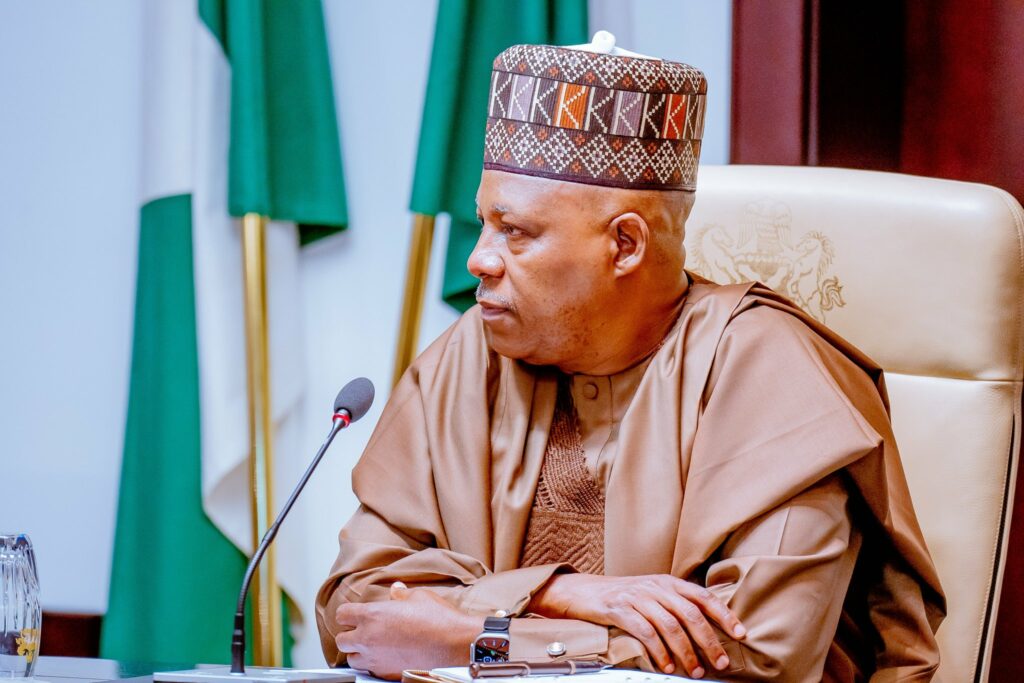
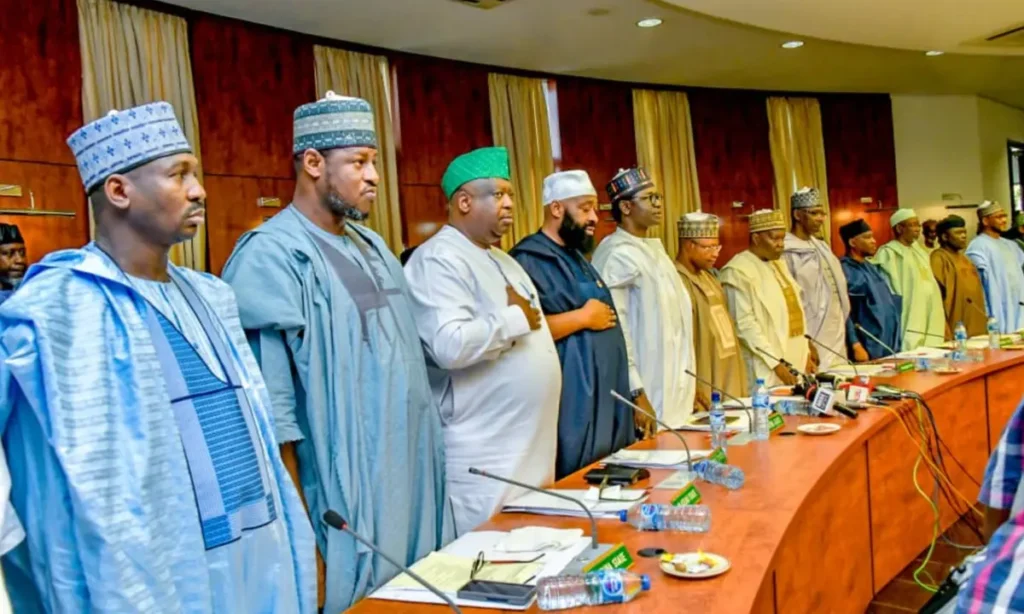
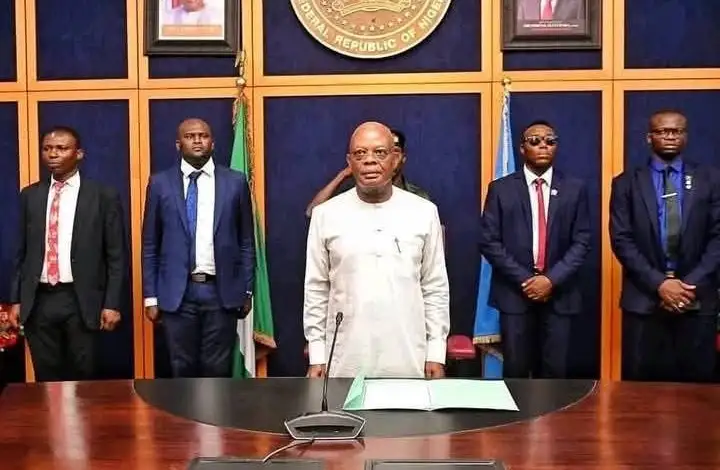
The President made the appeal on Thursday during the 150th meeting of the National Economic Council (NEC) at the State House, Abuja, following a presentation by the Minister of Budget and Economic Planning, Senator Abubakar Bagudu, on the Renewed Hope Ward Development Programme (RHWDP).
“I want to appeal to you: let us change the story of our people in rural areas,” Tinubu was quoted as saying in a statement issued by Stanley Nkwocha, Senior Special Assistant to the President on Media and Communications (Office of the Vice President).
He continued, “The economy is working. We are on the path to recovery, but we need to stimulate growth in rural communities. We understand the realities in these areas. Let us collaborate and focus on what will benefit the people.”
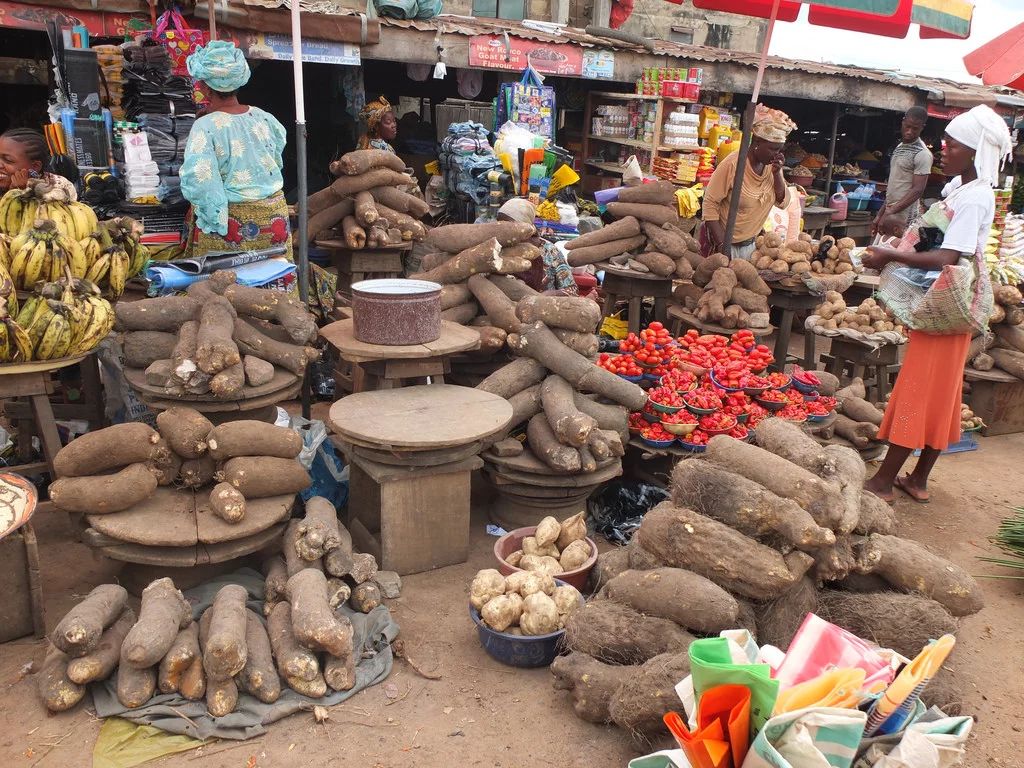
President Tinubu urged governors to partner with the Federal Government in driving economic development in underserved communities, highlighting agriculture, security, and education as key areas.
“We must embrace mechanised agriculture, tackle insecurity, and increase school enrolment through school-feeding programmes,” he said.
To support this effort, he directed NEC to set up a committee to accelerate the delivery of legacy infrastructure projects, including the Lagos-Calabar and Sokoto-Badagry Super Highways. He also ordered the transfer of the Office of the Surveyor-General of the Federation to the Presidency to ensure seamless project execution nationwide.
Meanwhile, the NEC endorsed the RHWDP, a ward-based development initiative targeting double-digit economic growth through direct interventions in Nigeria’s 8,809 administrative wards.
The RHWDP, rooted in Tinubu’s Renewed Hope Agenda, aims to grow Nigeria’s economy to $1 trillion by 2030, requiring an annual growth rate of 15 per cent — a significant leap from the current sub-4 per cent rate.
Its legal foundation draws from the 1999 Constitution and the Fifth Alteration Act, mandating state action on food security and improved production systems. The programme targets economically active populations of at least 1,000 in smaller wards and 2,000 in larger ones.
A National Steering Committee with representatives from all six geopolitical zones will oversee implementation, with the Ministry of Budget and Economic Planning serving as the secretariat.