
















































































































































































































































































































































































































































































































































































































































FIRS: Tinubu’s reforms boost revenue to ₦3.64trn, up 411%


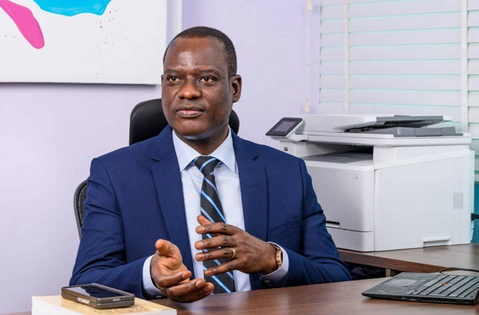
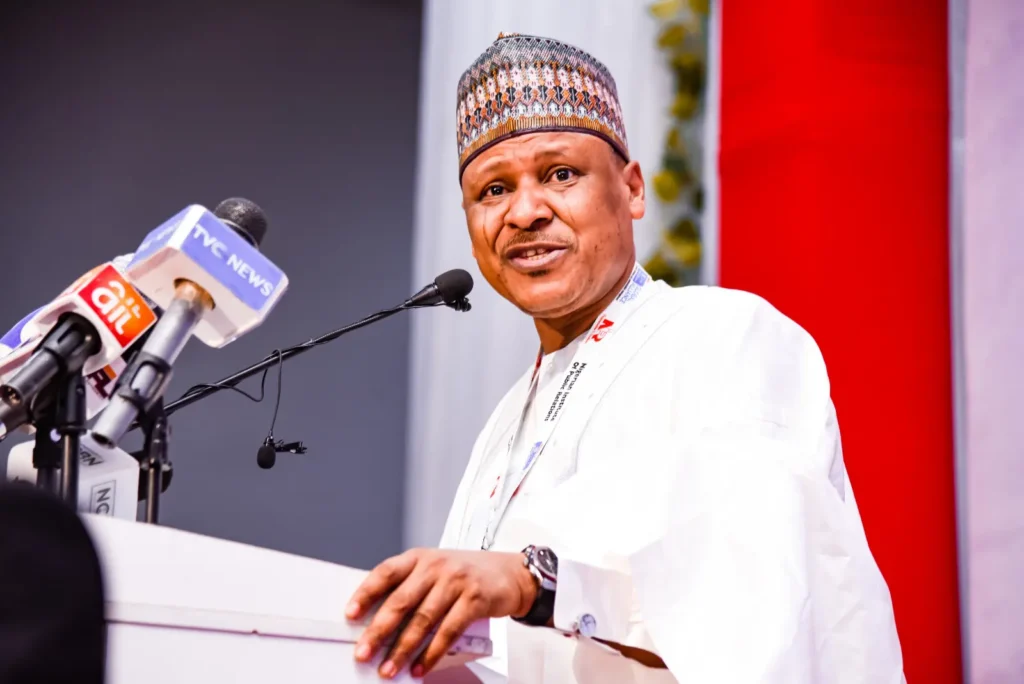
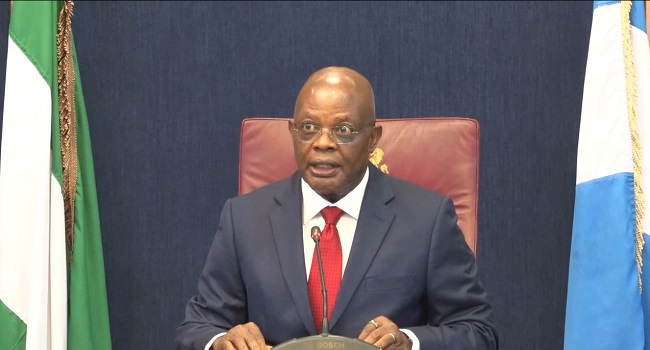
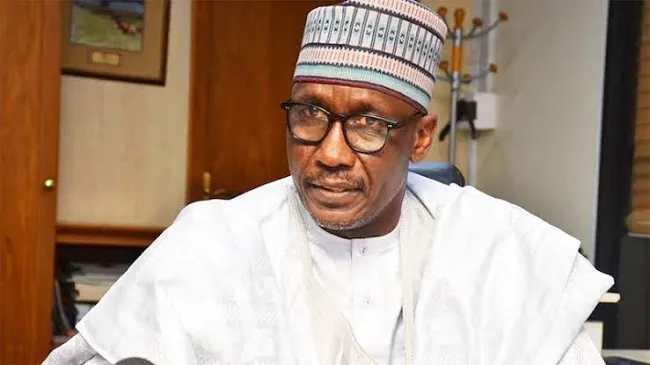
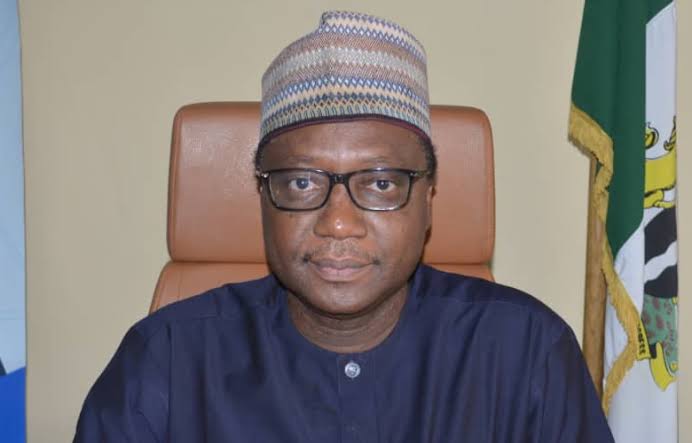
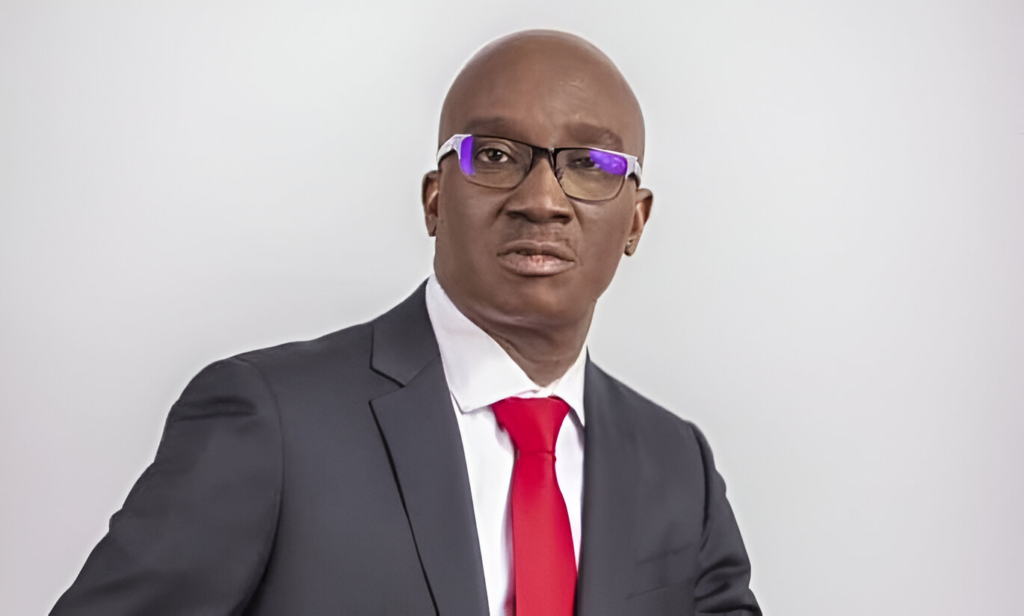
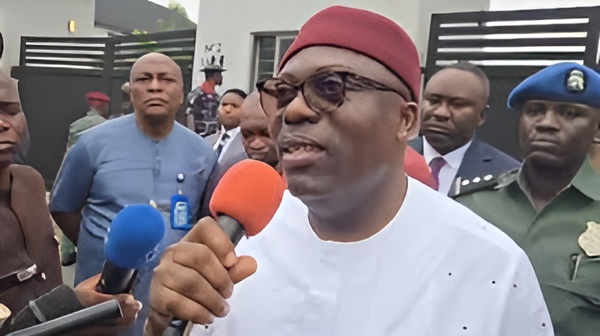
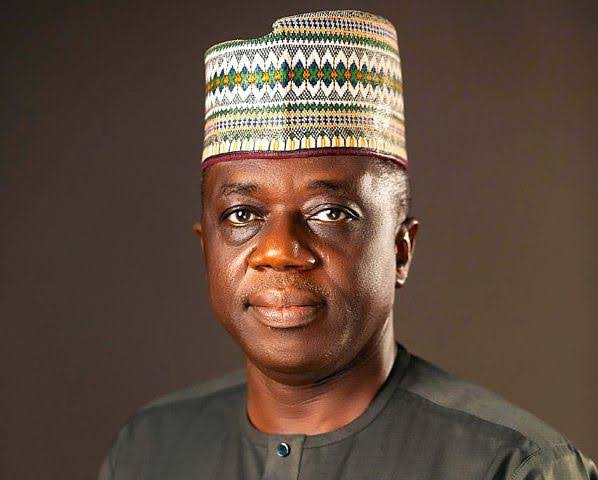
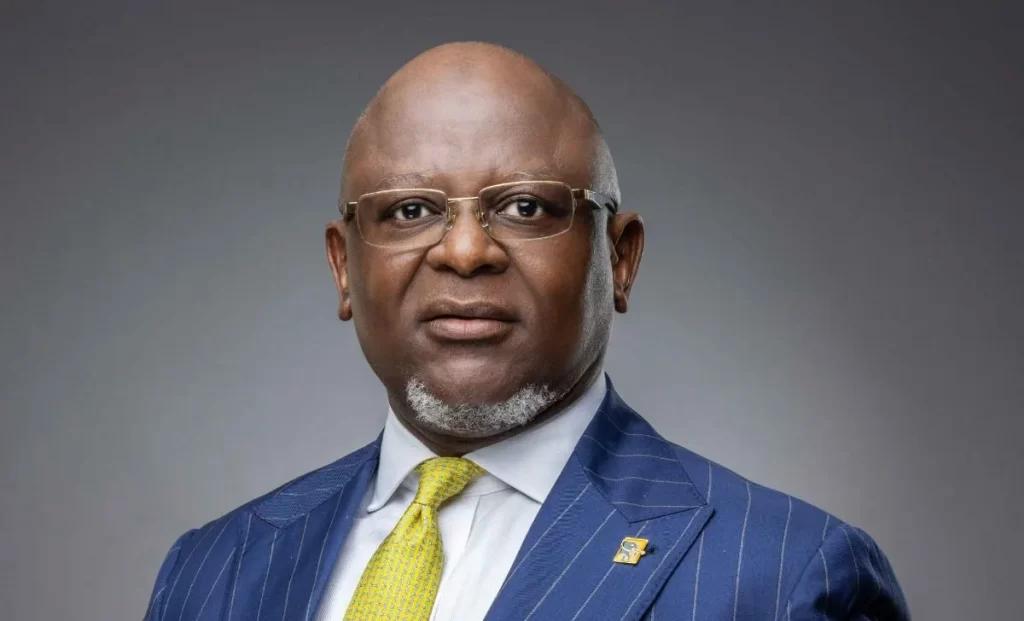
The Chairman of the Federal Inland Revenue Service (FIRS), Dr. Zacch Adedeji, has attributed Nigeria’s record revenue growth to the fiscal reforms introduced by President Bola Tinubu’s administration.
Adedeji disclosed that federal revenue rose to ₦3.64 trillion in September 2025, representing a 411 per cent increase from ₦711 billion recorded in May 2023.
Speaking with State House correspondents in Abuja, he highlighted milestones reshaping Nigeria’s fiscal landscape, particularly the expansion of non-oil revenue. According to him, non-oil earnings surged from ₦151 billion to ₦1.06 trillion in two years, signalling a decisive shift in the nation’s revenue profile.
Oil revenue also climbed to ₦644 billion, while VAT collections tripled to ₦723 billion, reflecting stronger compliance and greater efficiency across sectors.
He credited the performance to reforms that streamlined taxes, reduced burdens on small businesses, and introduced compliance tools such as e-invoicing and updated excise regulations.
Adedeji revealed that a presumptive tax regime will soon be introduced to capture hard-to-tax sectors, while state levies will be harmonised to expand the tax net.
“Our goal is to build a fair, efficient, and sustainable tax system that supports growth and boosts investor confidence,” he said.
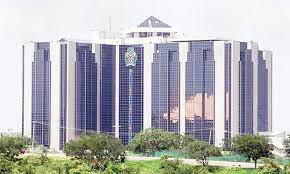
He further confirmed that unbacked Ways and Means advances from the Central Bank had been halted, with the loans now reclassified and treated as federal debt.
“The debt is now collateralised. Both principal and interest are being repaid, ensuring exchange rate stability and system confidence,” he explained.
Addressing concerns about borrowing, Adedeji stressed that properly legislated loans directed at infrastructure were essential for economic sustainability.
“Borrowing funds infrastructure that generates future tax revenues from beneficiaries. This is a sustainable approach for long-term development,” he stated.
He also announced that Personal and Company Income Tax reforms would take effect from January 2026, further widening Nigeria’s revenue base.
According to him, these reforms aim to reduce reliance on borrowing, strengthen fiscal resilience, and sustain Nigeria’s growth trajectory.

