



































































































































































































































































































































































































































































































































































































































































































































































Why the Abuja–Kaduna Train Jumped the Tracks: Inside the NSIB’s Preliminary Findings

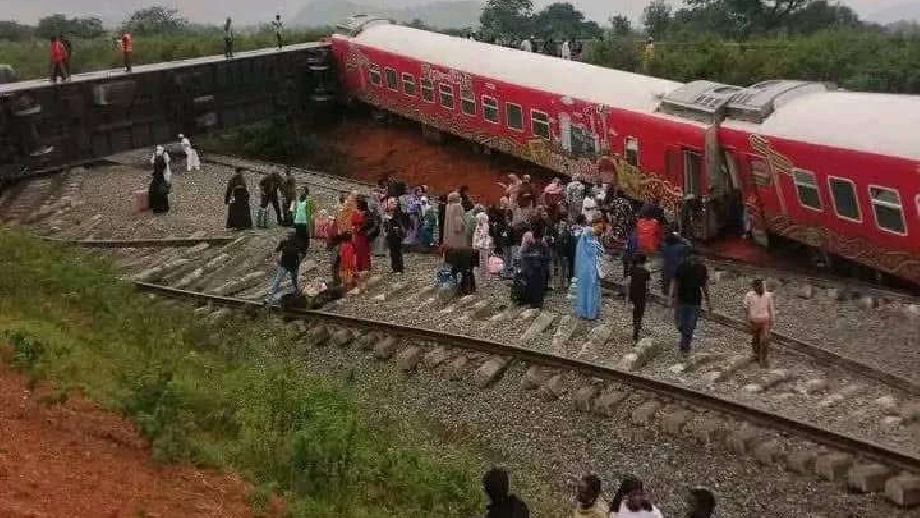
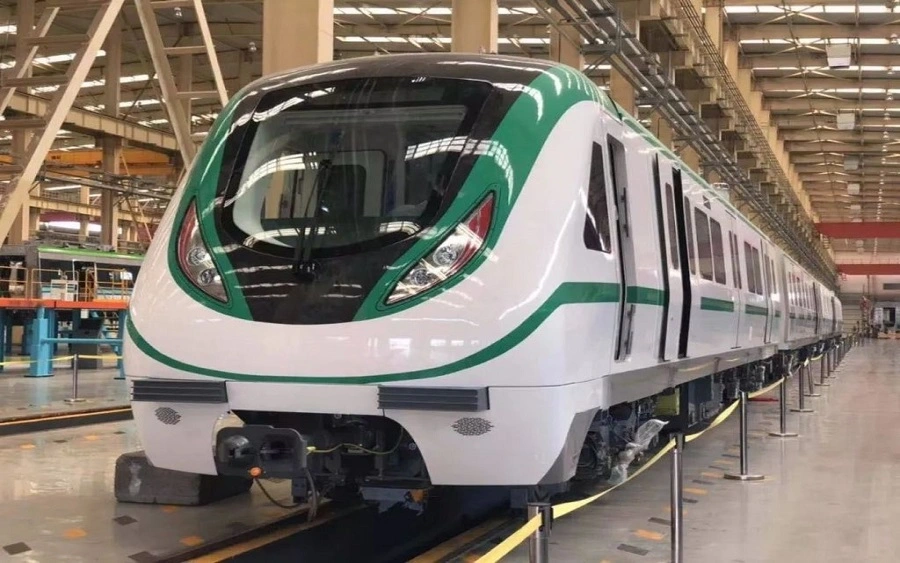
The Nigerian Safety Investigation Bureau (NSIB) has said that poor maintenance practices and a faulty track switch were major factors behind last month’s Abuja–Kaduna train derailment at Asham Station.
Preliminary findings revealed that several sleepers damaged in a previous incident at the station had been patched instead of being properly replaced. Investigators also discovered that the automatic switch mechanism at the crossing point was out of service at the time of the crash, marking the second derailment at the same station within 13 months.
As a result, railway staff had been operating the switch manually and securing it with a point clip, which was later found to be broken. This compromised the alignment of the track and ultimately caused the derailment.
The NSIB report also raised concerns about training standards, noting that Nigerian Railway Corporation (NRC) staff had only undergone initial instruction with no formal refresher courses. Investigators further found that operational and maintenance tools, including spare parts from the Original Equipment Manufacturer (OEM), were largely unavailable at the time of the incident.
The derailment occurred on 26 August 2025 and left 21 passengers injured among the 618 people on board. Fortunately, no lives were lost.
In response, the NSIB issued a series of safety recommendations, including:
-
Replacement of all compromised sleepers.
-
Installation of OEM-standard point switches along the Abuja–Kaduna rail corridor.
-
Restoration of defective monitoring and communication equipment, including CCTV cameras and clocks.
-
Mandatory refresher training for NRC personnel.
The Bureau stressed that these findings remain preliminary and subject to further analysis.
Next steps in the investigation will involve a detailed technical inspection of the turnout and switch mechanism at Asham Station, a thorough review of track alignment and infrastructure, and examination of locomotives and derailed coaches. Investigators will focus on critical components such as brakes, wheels and bogies.
The inquiry will also include interviews with train crew members—including the driver, assistant driver, conductors and guards—alongside analysis of operational data such as speed logs, signal records and communication transcripts. Passenger and eyewitness accounts will be reviewed to support technical assessments.
Particular attention will also be given to the broken point clip, which investigators believe played a key role in the derailment. A final report is expected to present comprehensive conclusions and additional safety recommendations.