





















































































































































































































































































































































































































































































Tinubu Tells UN: Reform Now or Risk Irrelevance


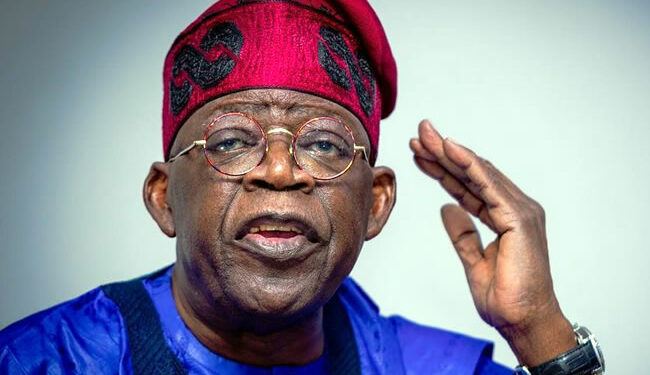
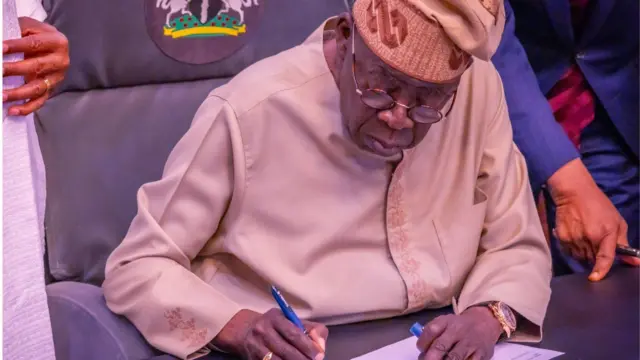
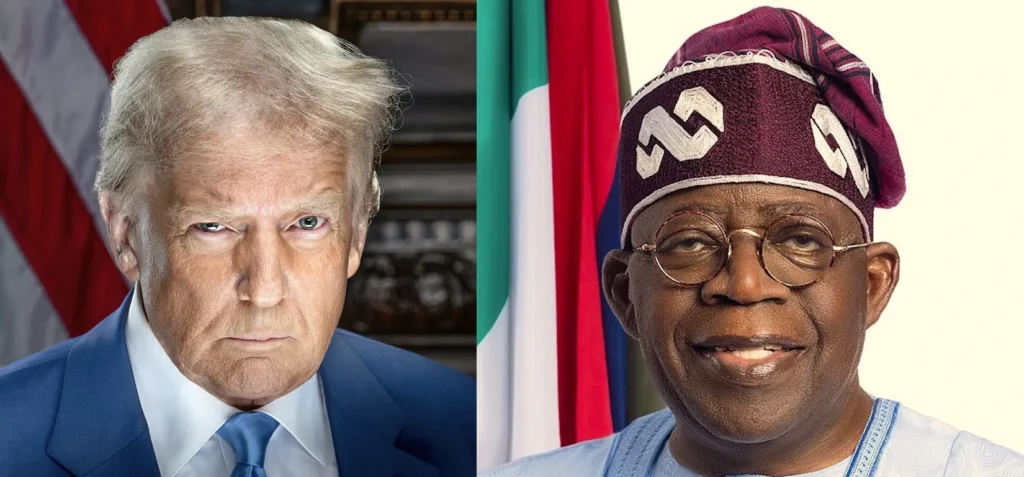
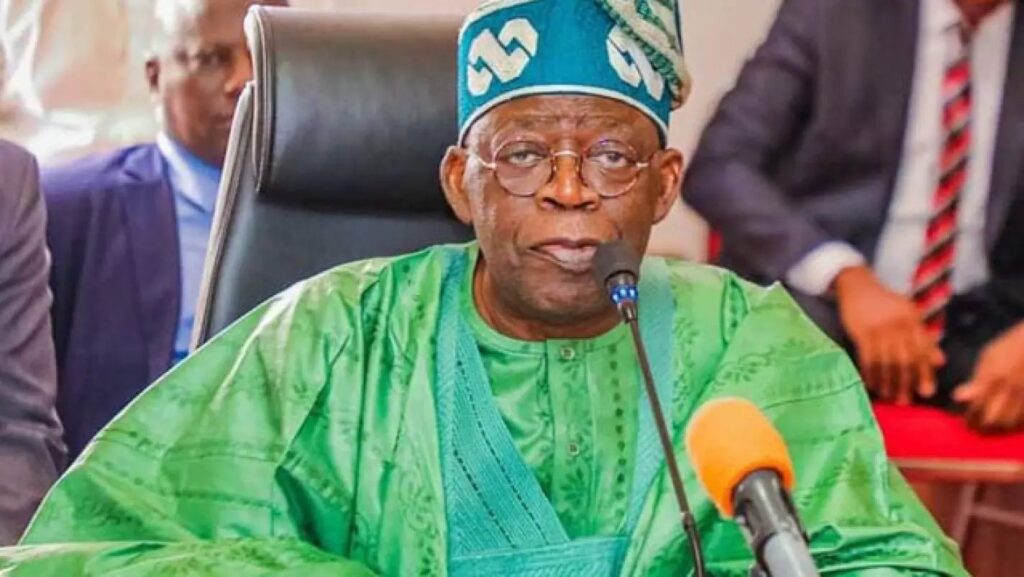
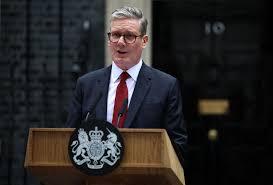
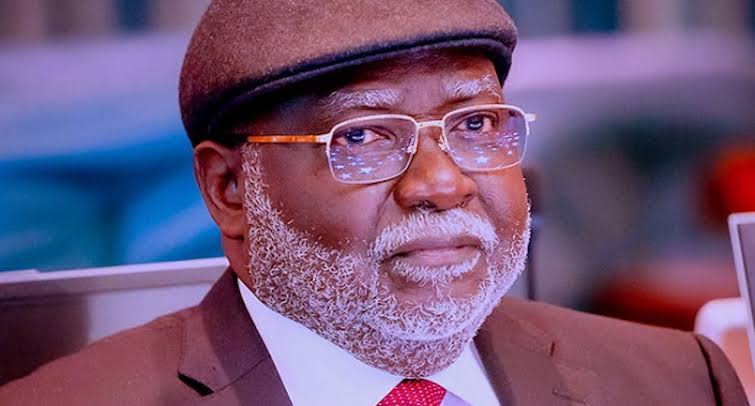
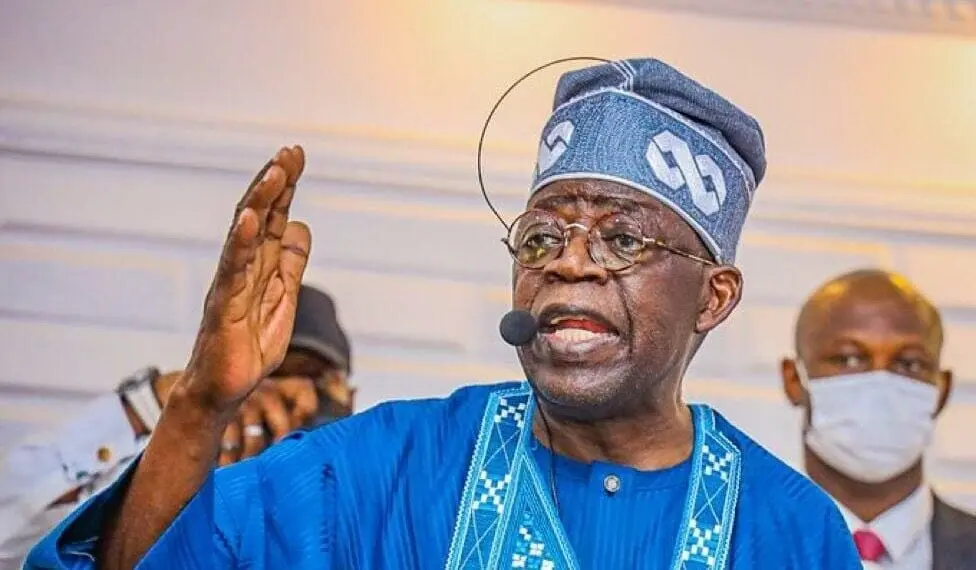
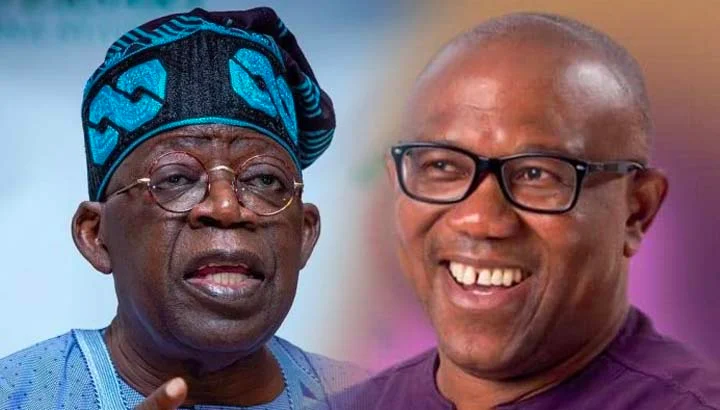
President Bola Tinubu on Wednesday delivered a strongly worded reform proposal to the United Nations, warning that the global body must embrace sweeping changes or face growing irrelevance as world events increasingly bypass its influence.
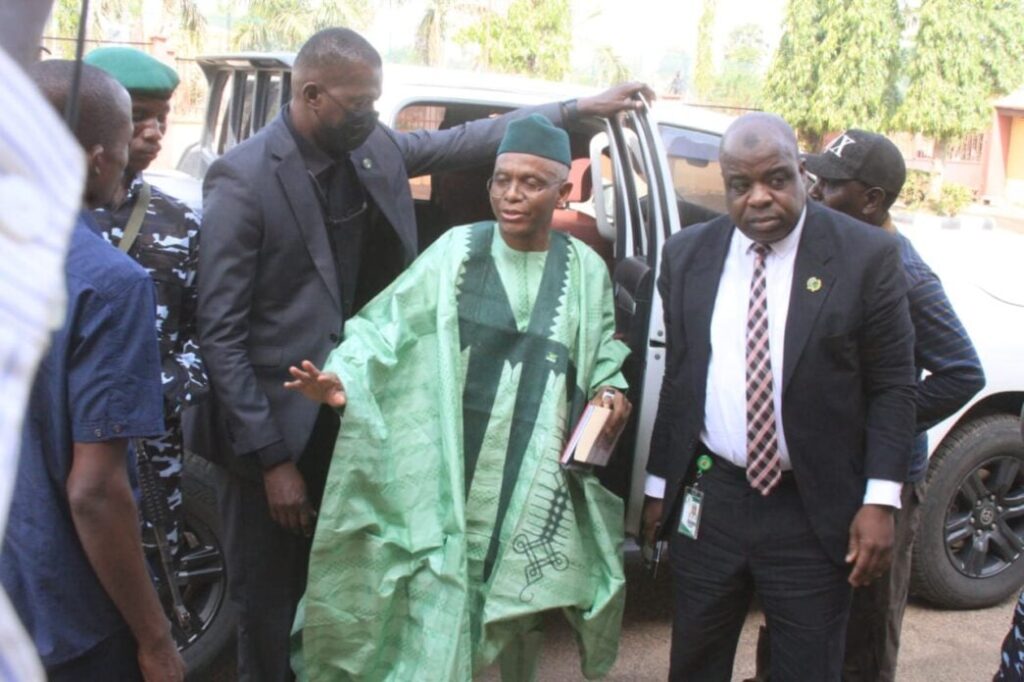
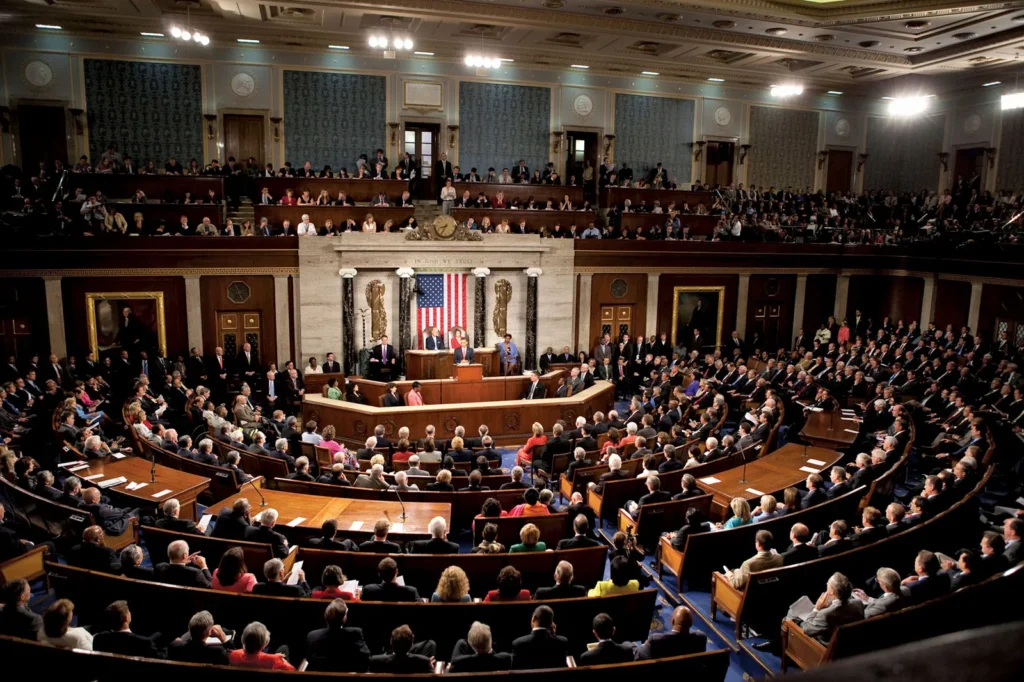
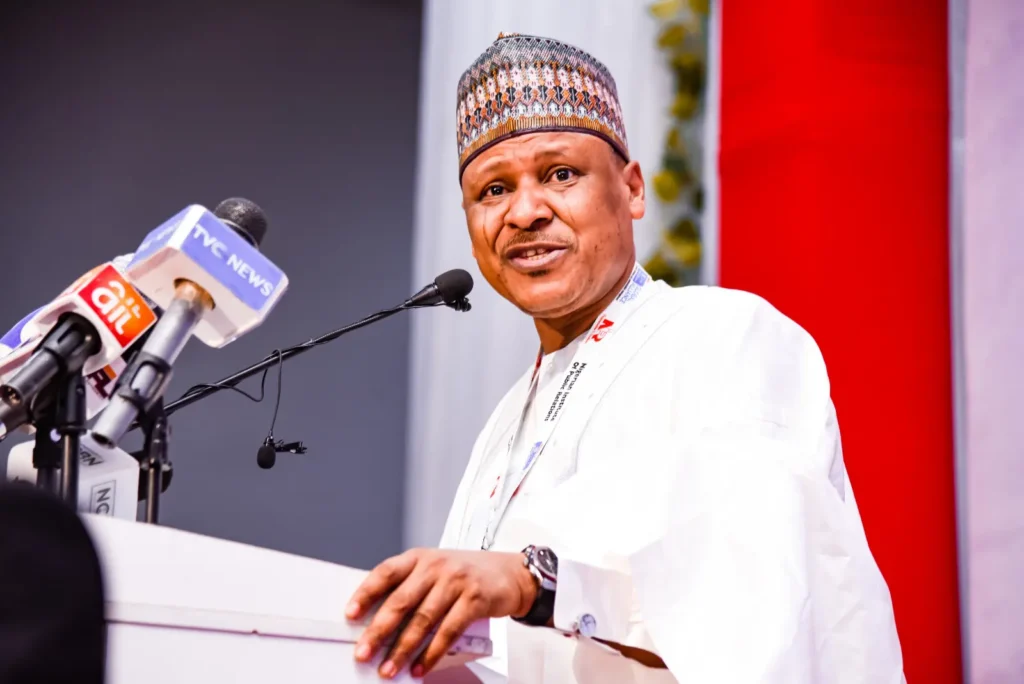
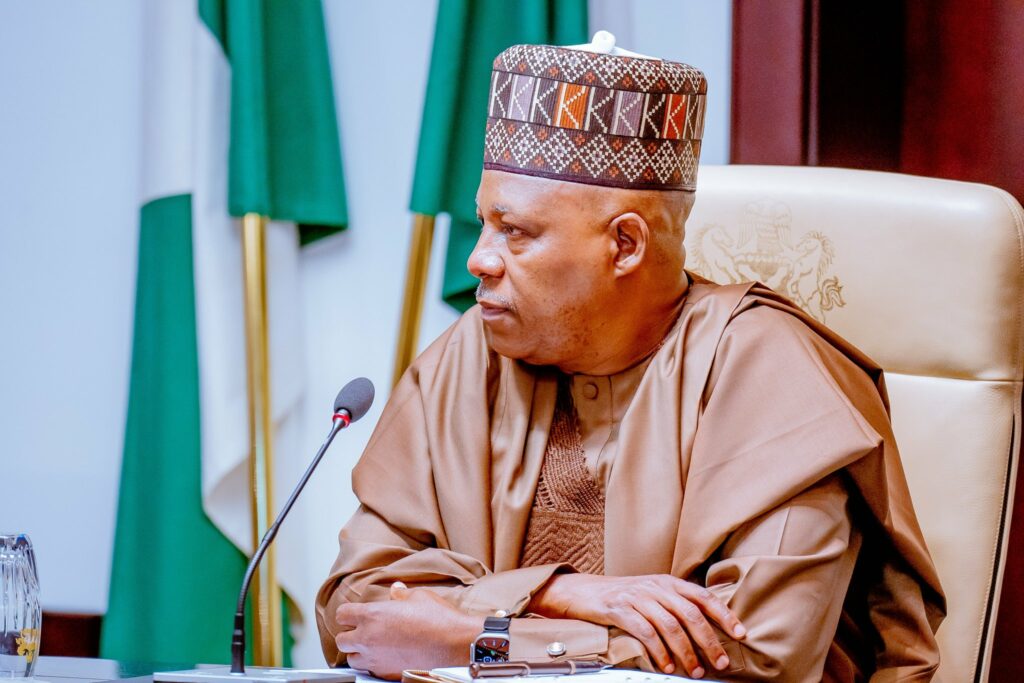
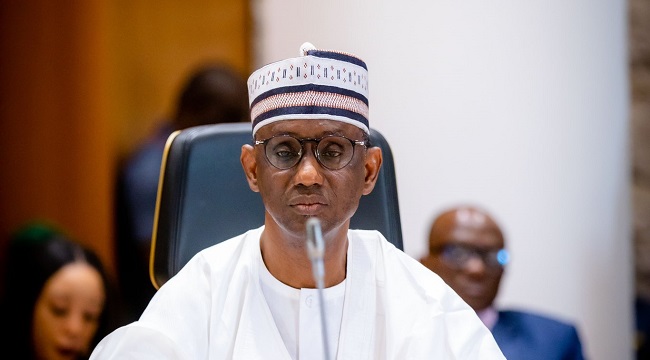
Speaking at the 80th session of the UN General Assembly in New York, through Vice President Kashim Shettima, Tinubu criticised the organisation’s record, citing ongoing human suffering in the Middle East and other regions as “stains on our collective humanity.”
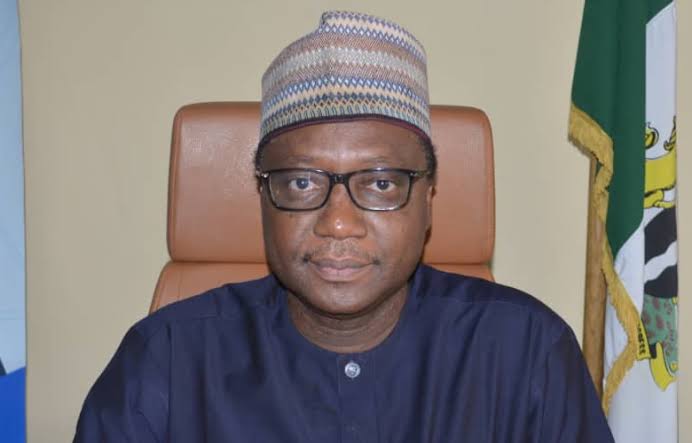
Represented by Vice President Kashim Shettima, he warned that the UN’s credibility was being undermined by the gulf between its words and deeds, while positioning Nigeria’s economic transformation as a model for developing nations.
“For all our careful diplomatic language, the slow pace of progress on these hardy perennials of the UN General Assembly debate has led some to look away from the multilateral model,” he said. “Some years ago, I noticed a shift at this gathering: key events were beginning to take place outside this hall, and the most sought-after voices were no longer heads of state.”
Tinubu presented four reform demands, chief among them Nigeria’s call for permanent UN Security Council membership.
“Nigeria must have a permanent seat at the UN Security Council, as part of a wider institutional reform. The UN will recover its relevance only when it reflects the world as it is, not as it was,” he declared.
Tracing Nigeria’s journey, he stressed the nation’s transformation from “a colony of 20 million people, absent from the tables where decisions about our fate were taken” to “a sovereign nation of over 236 million, projected to be the third most populous country in the world, with one of the youngest and most dynamic populations on earth.”
The President expressed frustration at the slow pace of international progress on key issues, including nuclear disarmament, Security Council reform, and equitable access to trade and finance.
On the Middle East, he declared: “We say, without stuttering and without doubt, that a two-state solution remains the most dignified path to lasting peace for the people of Palestine. The people of Palestine are not collateral damage in a civilisation searching for order. They are human beings, equal in worth, entitled to the same freedoms and dignities that the rest of us take for granted.”
Tinubu also called for a radical overhaul of the global financial system, proposing a new binding mechanism to address sovereign debt crises.
“I am calling for a new and binding mechanism to manage sovereign debt – a sort of International Court of Justice for money – that will allow emerging economies to escape the economic straitjacket of primary production of unprocessed exports,” he said, adding that debt relief must be seen as a “pathway to shared peace and prosperity,” not charity.
Highlighting Africa’s strategic role, Tinubu underscored the continent’s vast mineral wealth as key to global stability. “Africa, and Nigeria in particular, has in abundance the critical minerals that will drive the technologies of the future. Investment in their exploration, development and processing on the continent will diversify supply, reduce global tensions, and shape the architecture of peace and prosperity,” he said.
He warned that exporting raw minerals without local value addition fuels inequality, instability, and conflict.
Tinubu further stressed the need to bridge the digital divide, echoing the UN Secretary-General’s call that “‘AI’ must stand for ‘Africa Included’.”
On Nigeria’s economic reforms, he acknowledged the hardship faced by citizens but argued that structural adjustments, such as subsidy removal and currency liberalisation, were necessary to build resilience.
“The government has taken difficult but necessary steps to restructure our economy and remove distortions that benefited a few at the expense of the many. I believe in the power of the market to transform, but the transition is difficult,” he admitted.
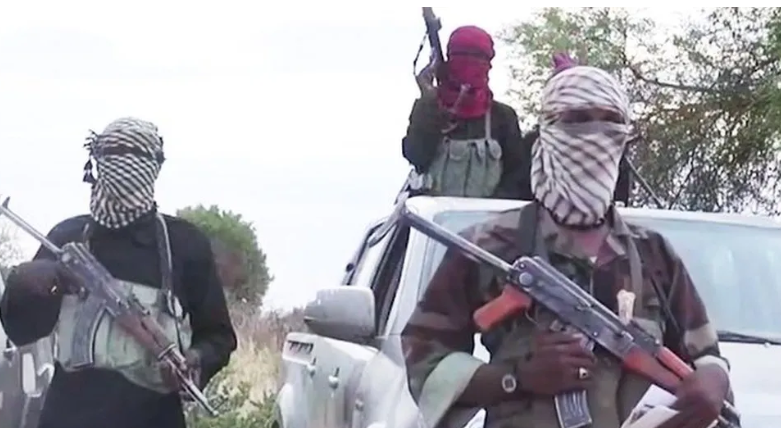
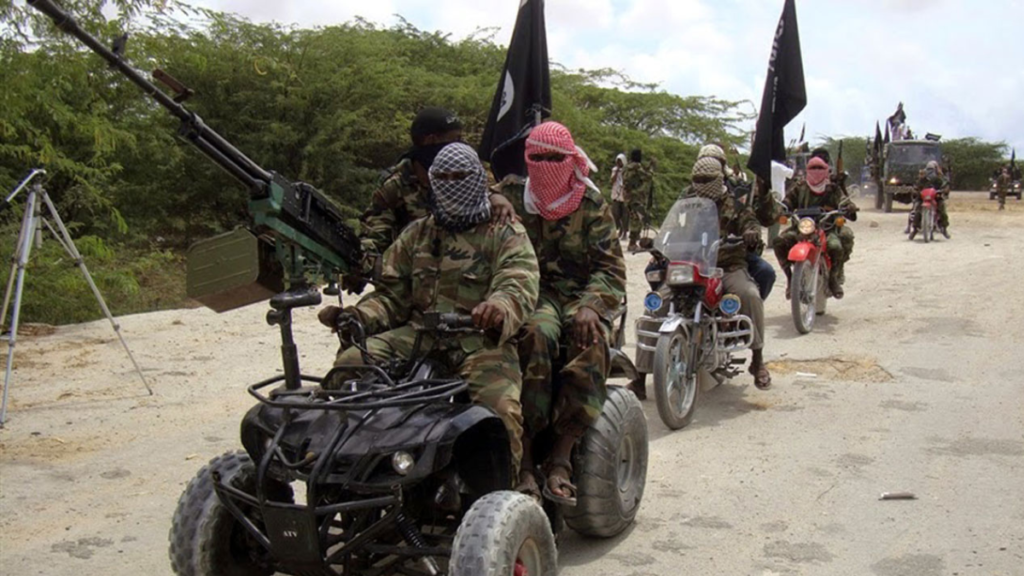
On security, Tinubu said Nigeria’s long fight against violent extremism had revealed that military action alone was insufficient.
“In wars that span generations, it is values and ideas – not weapons – that deliver the ultimate victory,” he observed.
Reaffirming Nigeria’s commitment to peace, development, multilateralism, and human rights, Tinubu concluded: “We must make real change, change that works, and change that is seen to work. If we fail, the direction of travel is already predictable.”

