
































































































































































































































































































































































































































































































































































































PENGASSAN–Dangote Clash Pushing Nigeria Towards Blackout as Power Supply Down by 1,100MW


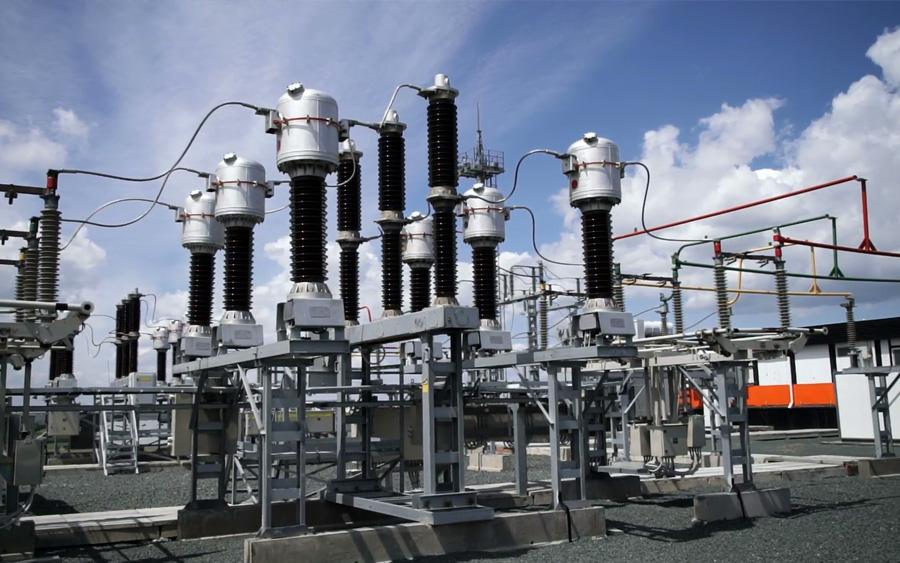
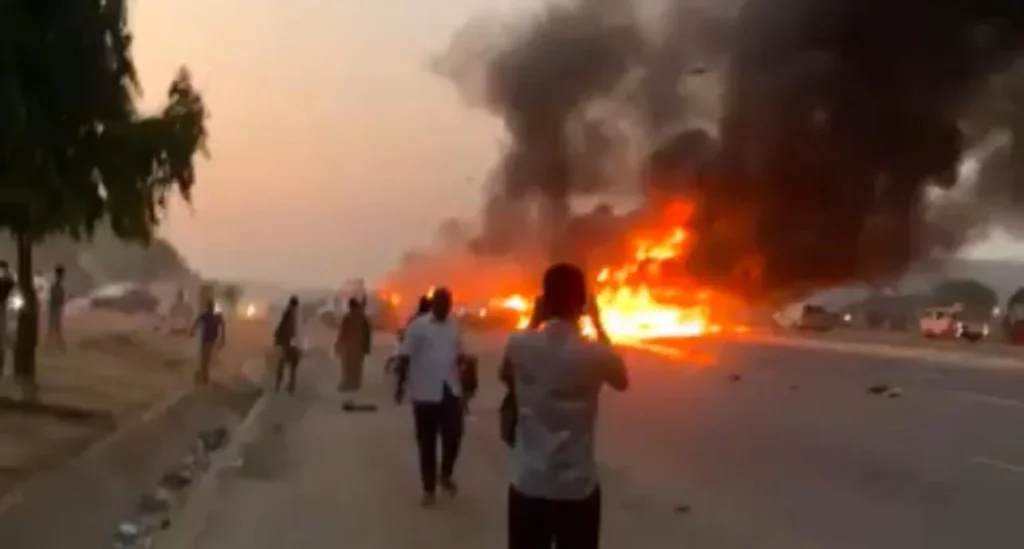
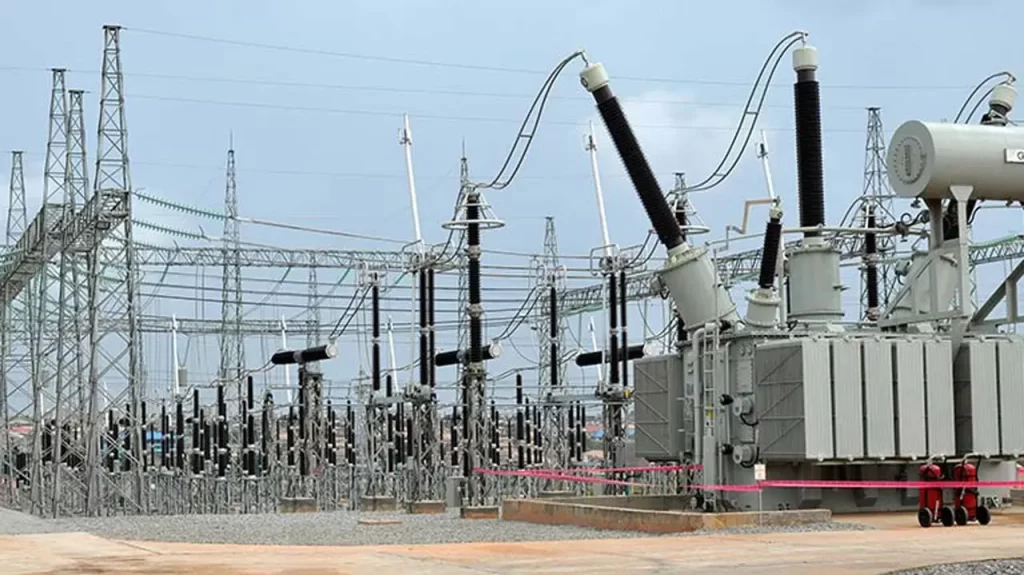
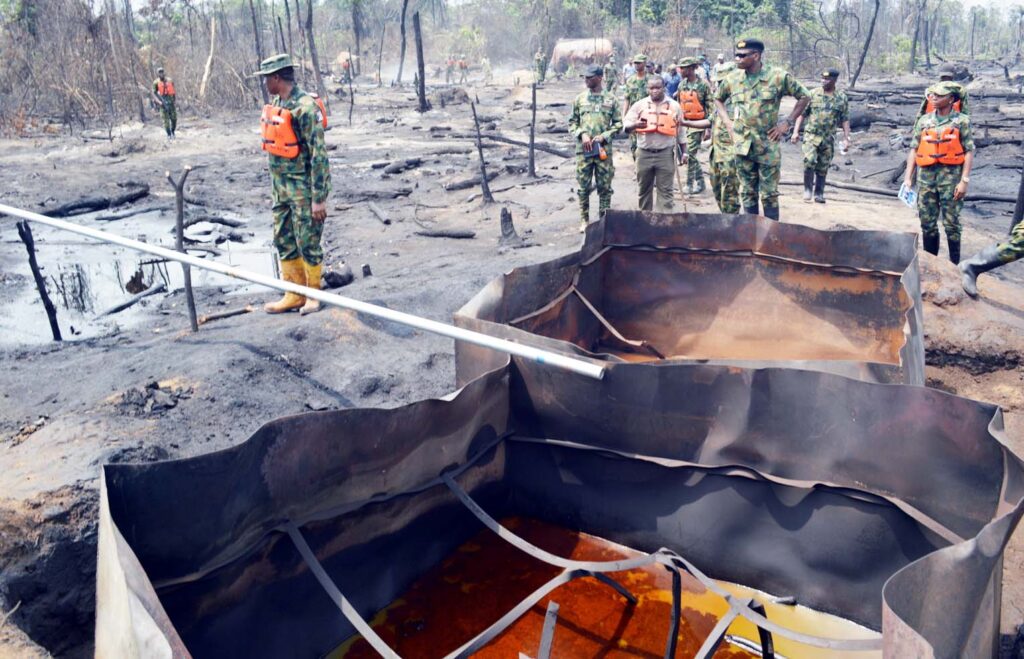
The Nigerian Independent System Operator (NISO) has confirmed that industrial action within the gas supply chain led to a sharp reduction in national power generation by more than 1,100 megawatts (MW) on 28 September.
In a statement issued in Abuja on Tuesday, NISO’s management disclosed that available generation on the National Grid dropped from over 4,300MW in the early hours of the day to about 3,200MW at its lowest point.
NISO, established to manage Nigeria’s electricity grid and electricity market, replaced the market and system operations functions of the Transmission Company of Nigeria (TCN).
“NISO wishes to notify the public of recent major generation shortfalls on the National Grid, caused by industrial actions of the Petroleum and Natural Gas Senior Staff Association of Nigeria (PENGASSAN) within the gas supply chain. These disruptions triggered widespread gas shortages, reducing available generation from over 4,300MW in the early hours of 28 September to about 3,200MW at the lowest point,” the statement read.
According to the agency, the development exerted severe pressure on the grid, prompting emergency measures to stabilise electricity supply and prevent a nationwide blackout.
To mitigate the crisis, NISO said it ramped up generation from major hydropower stations, injecting over 400MW to cushion the shortfall from gas-fired plants. Additional interventions included real-time load adjustments, frequency support measures, and selective load shedding to preserve operational security.
Key contingency actions deployed included:
-
Hydropower optimisation: ramp-ups from major hydro stations, adding over 400MW to offset gas shortfalls.
-
Generation dispatch and load balancing: real-time adjustments to align supply with demand and prevent frequency collapse.
-
Voltage and frequency support: use of reactive power compensation and reserve monitoring to safeguard system stability.
-
Demand-side management: selective load shedding, applied only as a last resort, to avert system-wide collapse and ensure equitable distribution.
NISO stressed that these interventions, undertaken with the National Control Centre (NCC), minimised the impact of the labour-induced disruptions, sustained grid security, and ensured supply to critical loads.
The agency reaffirmed its commitment to proactive grid management and adherence to global best practices to guarantee a secure and reliable electricity supply nationwide.
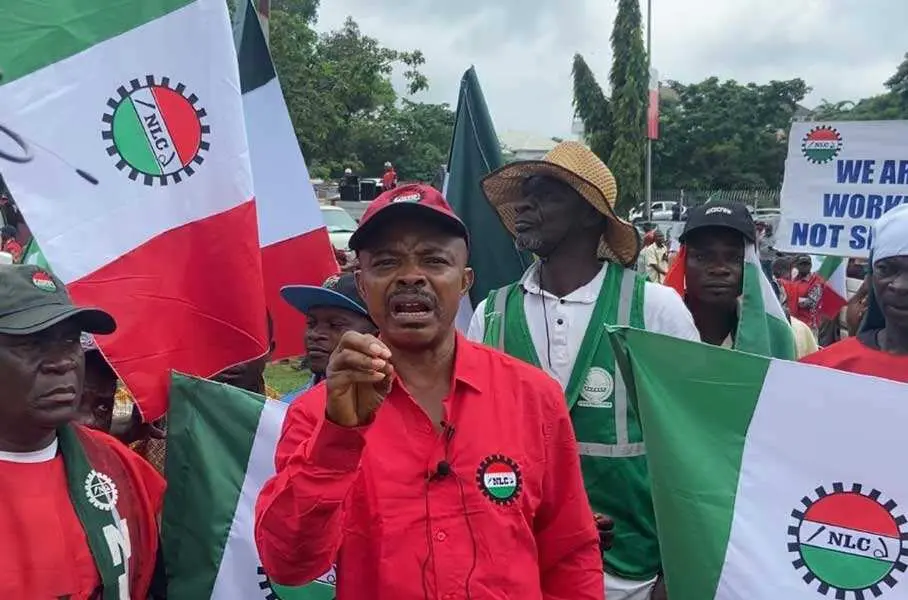
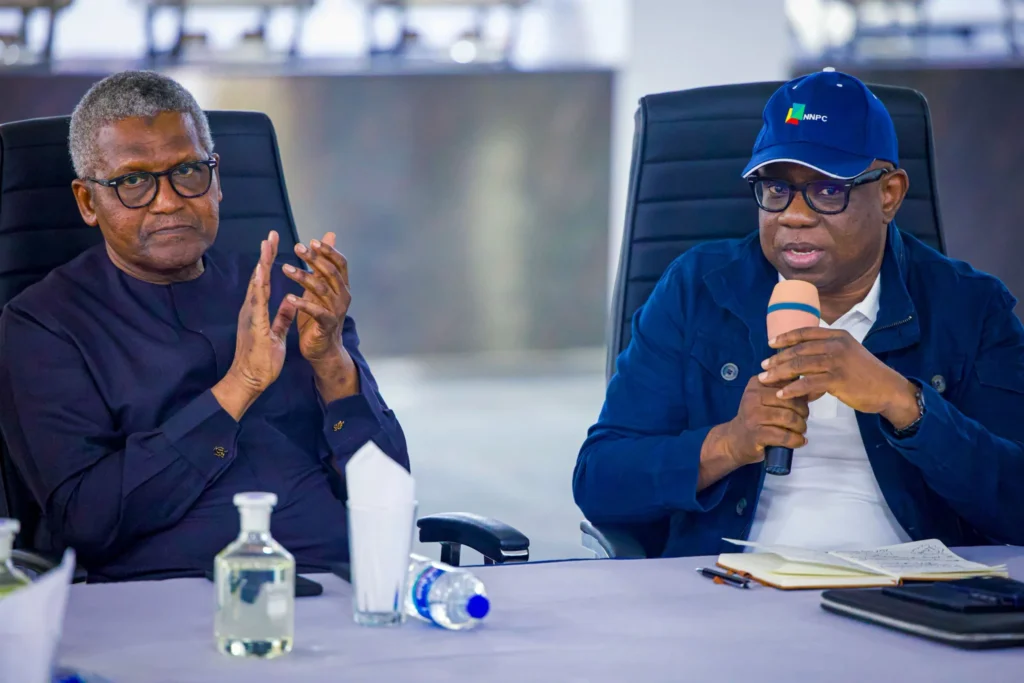
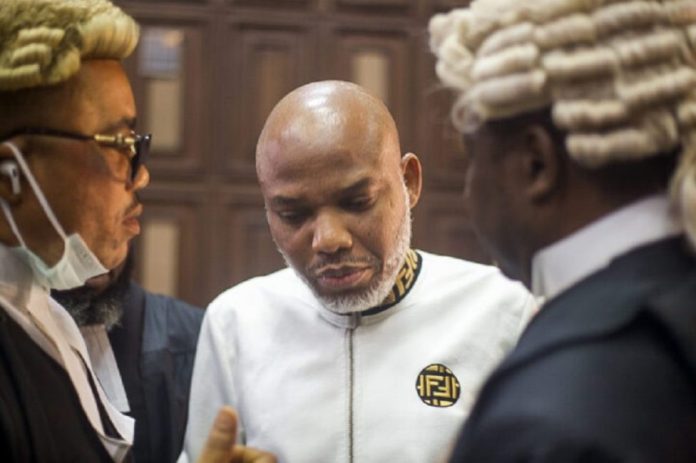
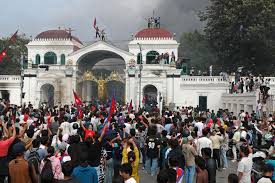
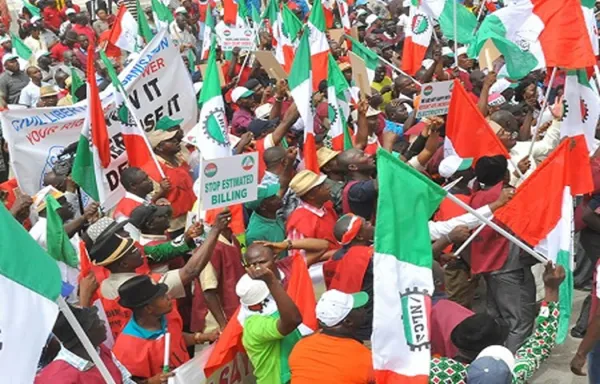
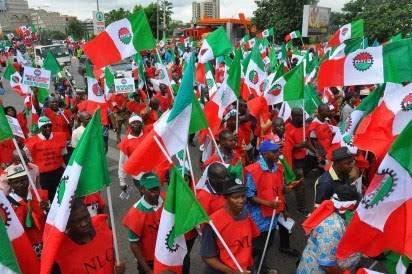
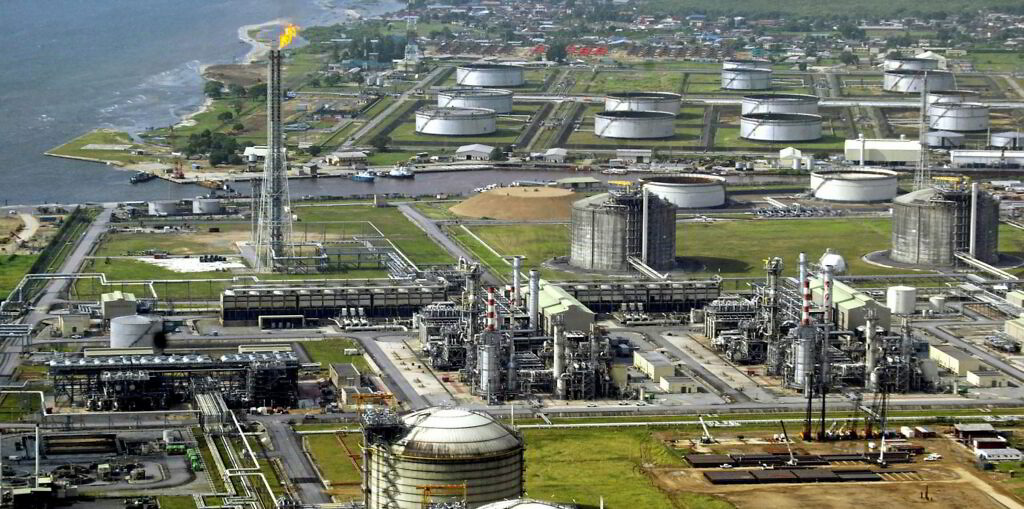
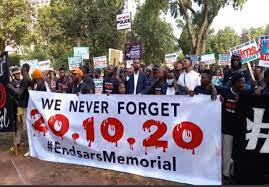
The crisis stemmed from a face-off between PENGASSAN and Dangote Refinery. The union accused the refinery of unilaterally dismissing over 800 staff members for joining the association.
Following an emergency meeting of its National Executive Council (NEC) on Saturday, PENGASSAN directed members to withdraw their services from 00:01 hours on Monday.
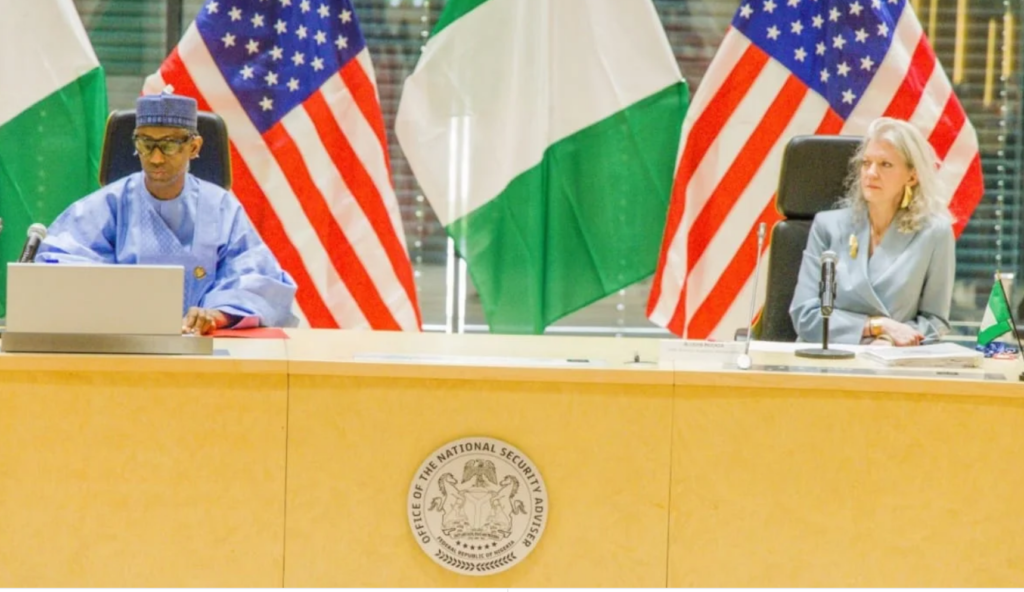
The Federal Government has since intervened. A meeting chaired by the Minister of Finance and Coordinating Minister of the Economy, Mr Wale Edun, discussed two contentious issues: the refinery’s alleged suspension of the naira-for-crude oil arrangement and PENGASSAN’s concerns over the mass dismissals.