












































































































































































































































































































































































































































































































































Nepal Plunges into Crisis as PM Resigns, Army Moves

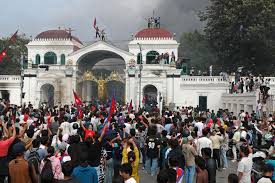
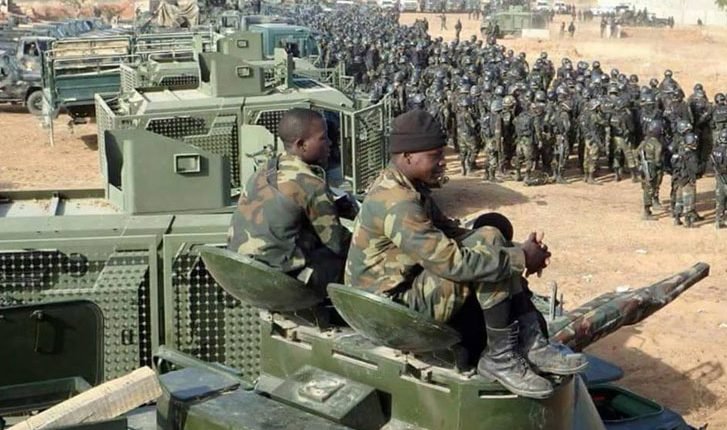
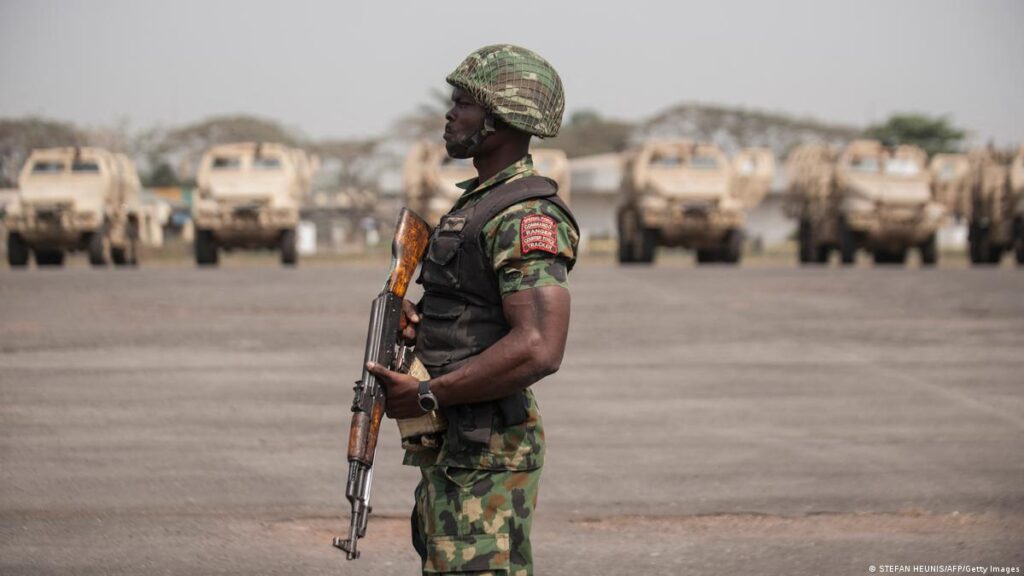
The Nepalese Army patrolled the streets of Kathmandu on Wednesday in an attempt to restore order after protesters set parliament ablaze and forced the prime minister to resign, in the country’s worst violence in two decades.
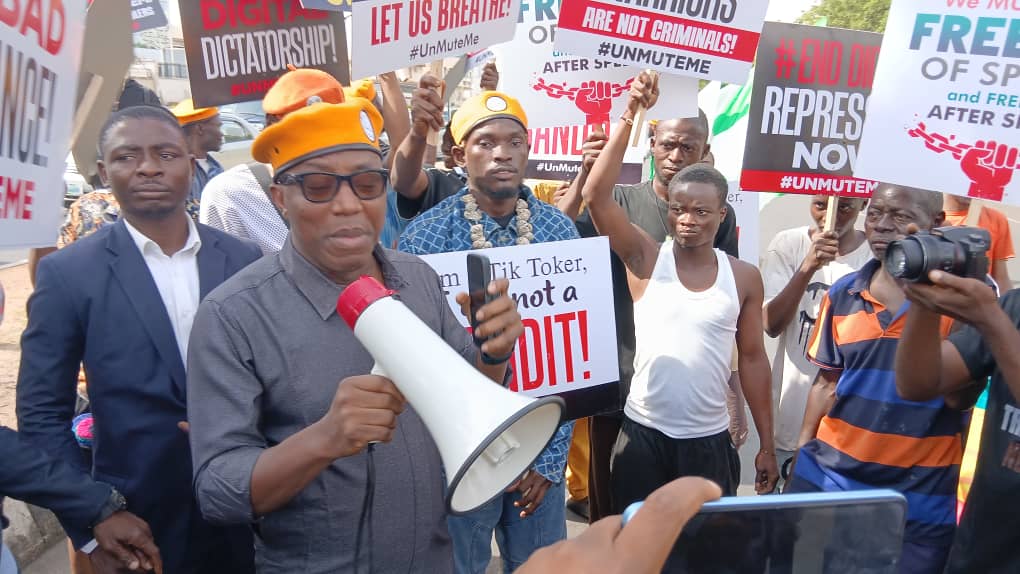
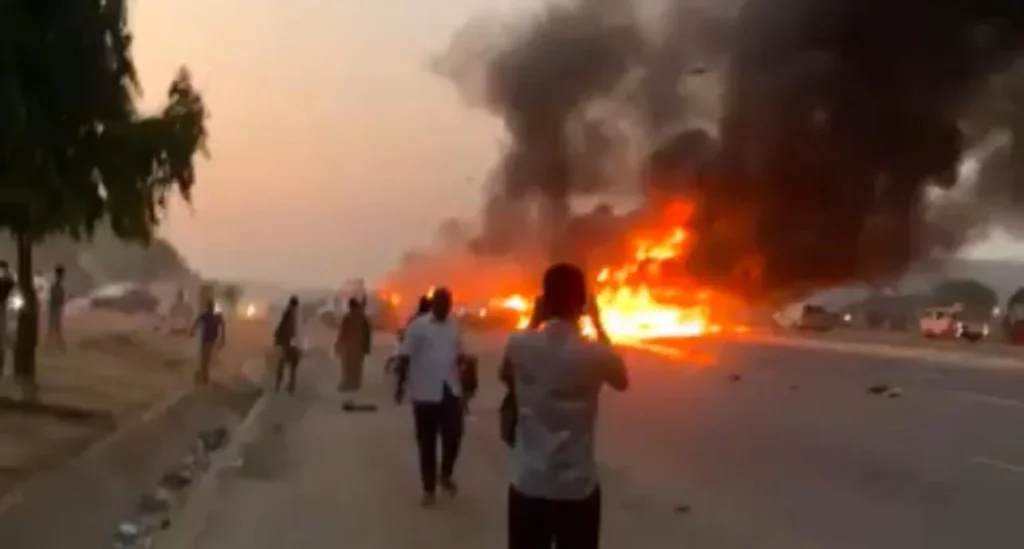
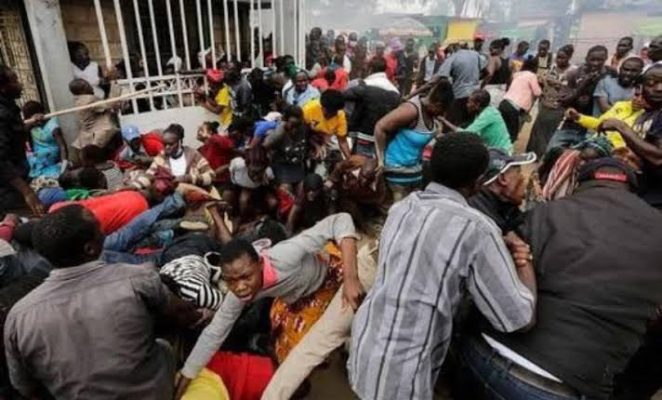
The unrest began on Monday in the capital, triggered by anger over a government ban on social media and widespread allegations of corruption. Protests quickly escalated into nationwide rage, with demonstrators torching government buildings following a deadly crackdown that left at least 19 people dead.
The speed of the descent into chaos stunned many observers. Nepal’s military warned against “activities that could lead the country into unrest and instability” in the nation of 30 million people.
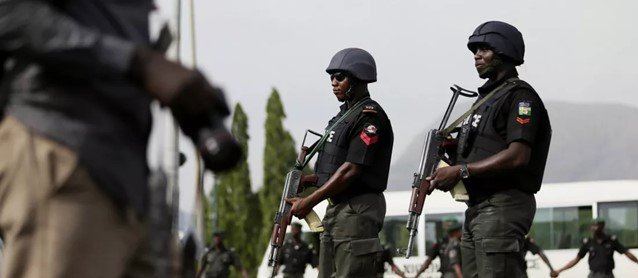
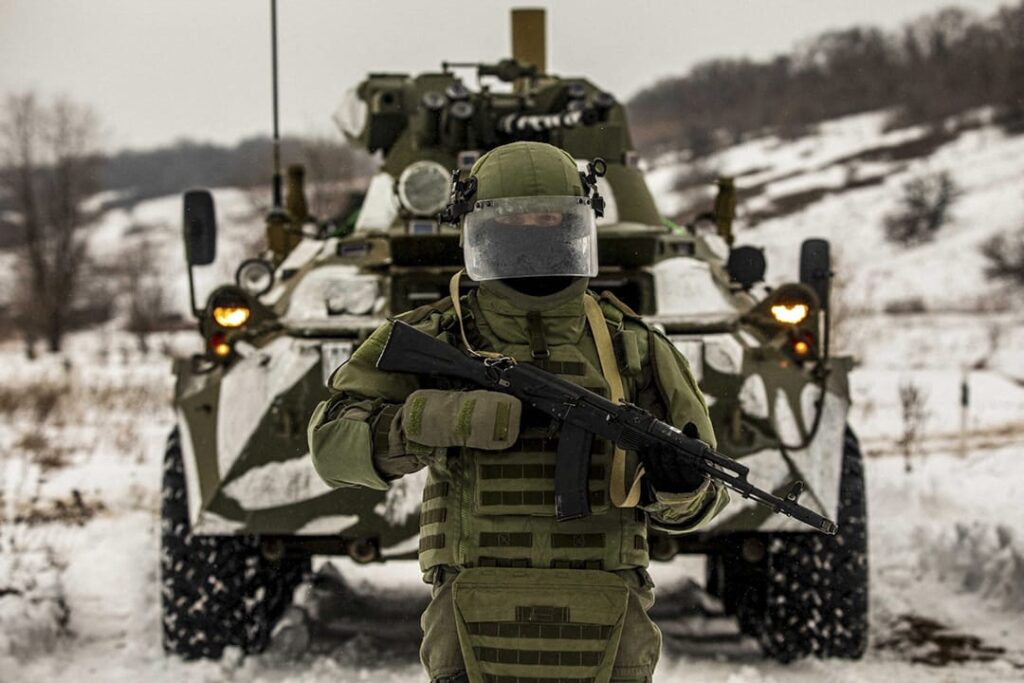
Soldiers patrolled the streets with tanks, broadcasting orders through loudspeakers as they passed the charred remains of vehicles and tyres. The army declared that “vandalism, looting, arson, or attacks on individuals and property in the name of protest will be treated as punishable crimes”.
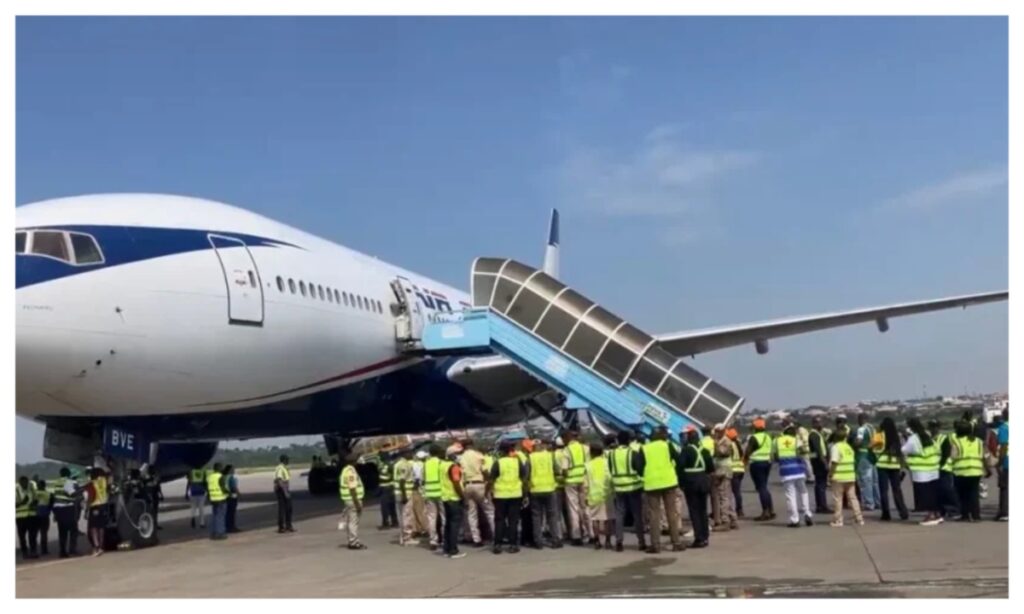
Kathmandu airport is expected to resume operations at 6:00 p.m. (1215 GMT) on Wednesday, according to its manager, Hansa Raj Pandey.
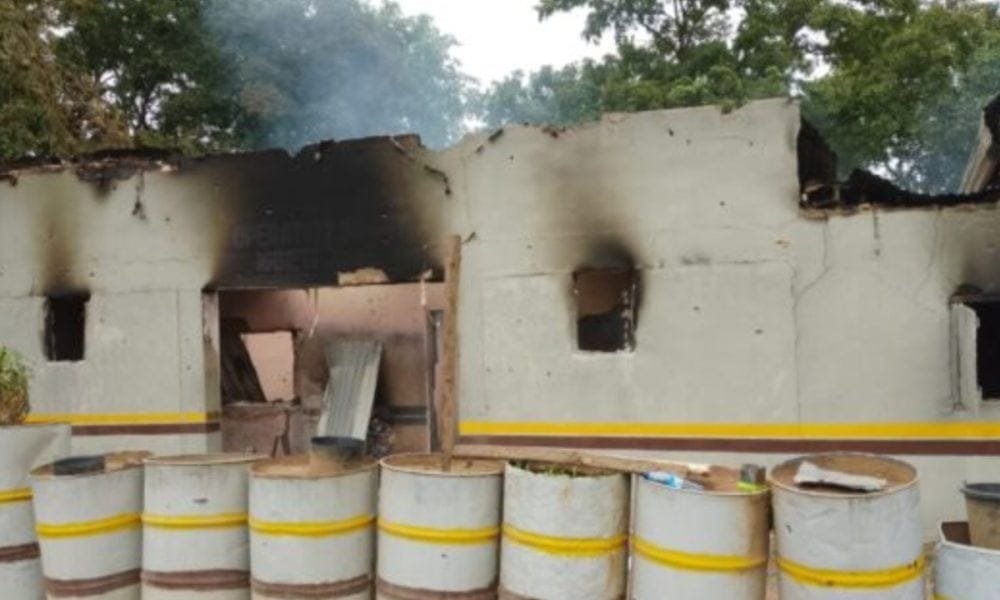
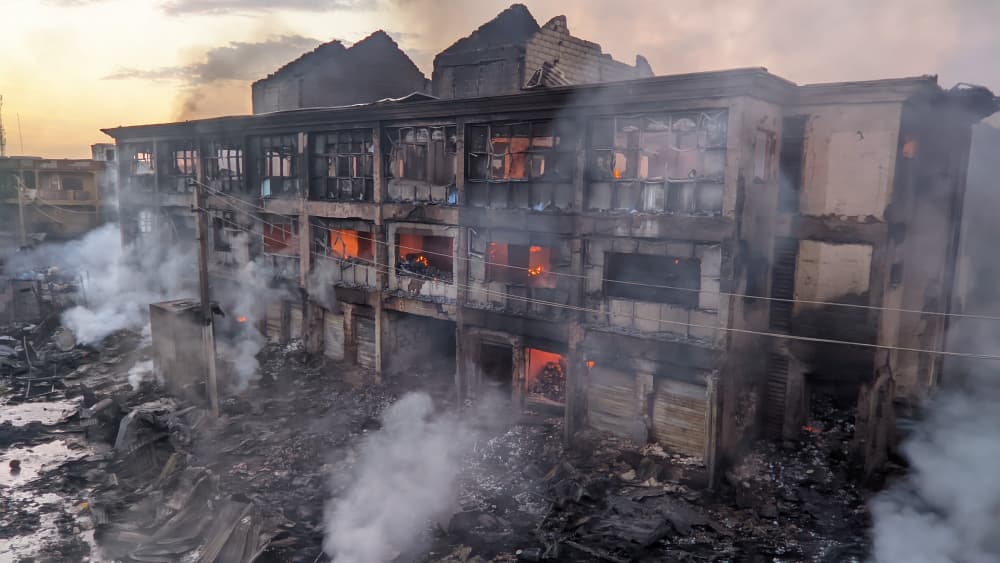
By mid-afternoon, smoke continued to rise from torched government offices, private residences of politicians, supermarkets, and the headquarters of the Kantipur media group. Firefighters were still extinguishing flames at the media company’s tower block, AFP reported.
One soldier inspecting vehicles at a makeshift checkpoint told reporters anonymously: “It is quiet today, the army is on the streets in all places.”
On Tuesday, gangs attacked and set fire to the home of KP Sharma Oli, the 73-year-old four-time prime minister and leader of the Communist Party. Oli later announced his resignation, saying it was to “allow steps towards a political solution”. His whereabouts remain unknown.
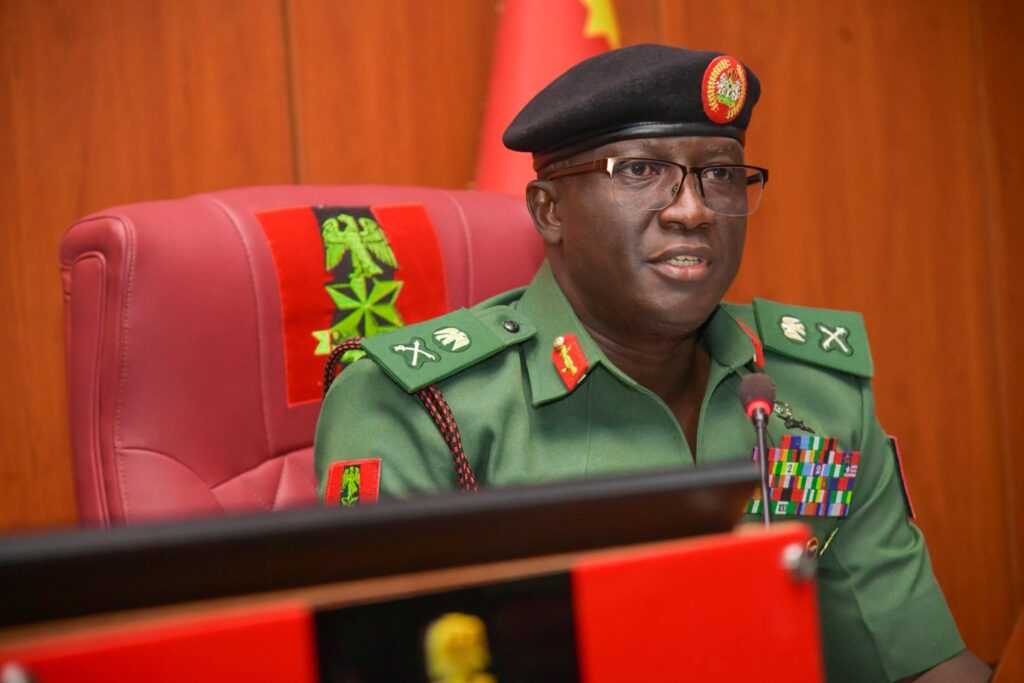
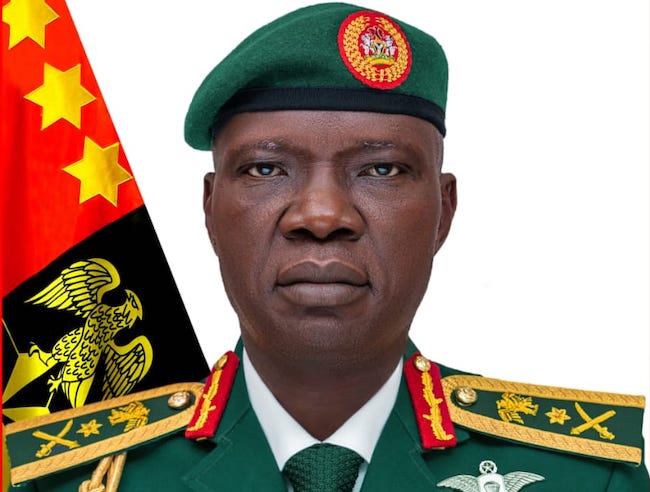
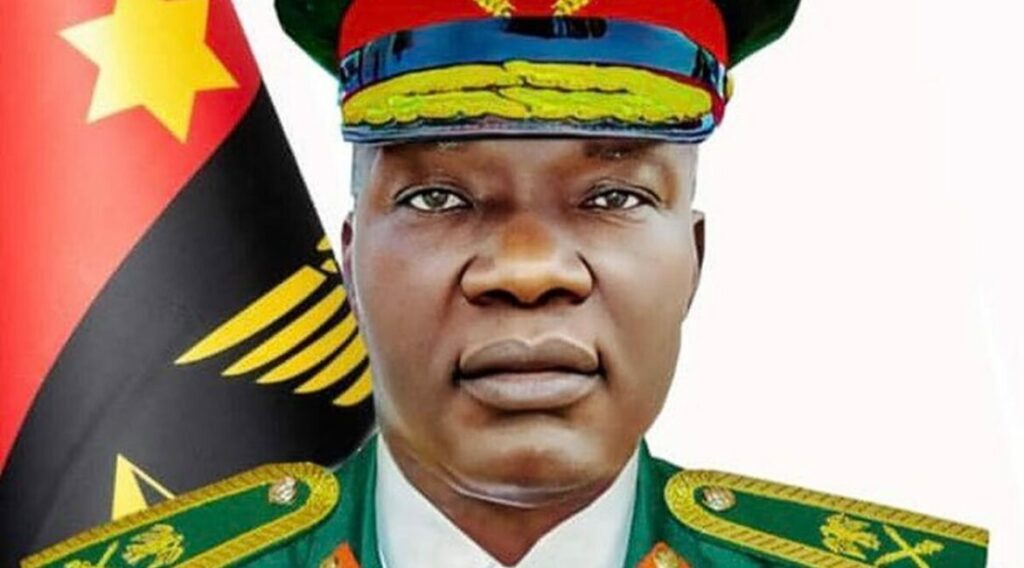
Army chief General Ashok Raj Sigdel released a video appeal late Tuesday urging protesters to seek dialogue: “To provide the nation with a peaceful resolution, we urge all groups involved in the protest to call it off and engage in talks.”
The International Crisis Group described the turmoil as a “major inflection point in the country’s uneasy experience with democratic rule”.
UN Secretary-General António Guterres called for restraint “to avoid a further escalation of violence”, according to his spokesman Stéphane Dujarric. Indian Prime Minister Narendra Modi also stressed that “the stability, peace and prosperity of Nepal are of utmost importance to us”.
What happens next remains unclear. Constitutional lawyer Dipendra Jha told AFP: “The protesters, leaders who are trusted by them, and the army should come together to pave the way for a caretaker government.”
Crisis Group analyst Ashish Pradhan echoed the call, saying a transitional arrangement must be quickly designed “to include figures who still retain credibility with Nepalis, especially the country’s youth”.
Nepal’s young people are at the heart of the uprising: those aged 15 to 40 make up nearly 43% of the population, according to government statistics. Unemployment stands at around 10%, while GDP per capita is just $1,447, according to the World Bank.
Tensions have also been inflamed by social media restrictions. On Friday, the government blocked access to Facebook, YouTube, and X, along with 26 other unregistered platforms. But TikTok, which was not blocked, has since been flooded with viral videos contrasting the struggles of ordinary citizens with the luxurious lifestyles of politicians’ children.