




















































































































































































































































































































































































































































































































































































































































































































































































































Election Costs Surge as INEC Seeks Nearly N900bn for 2027 Polls


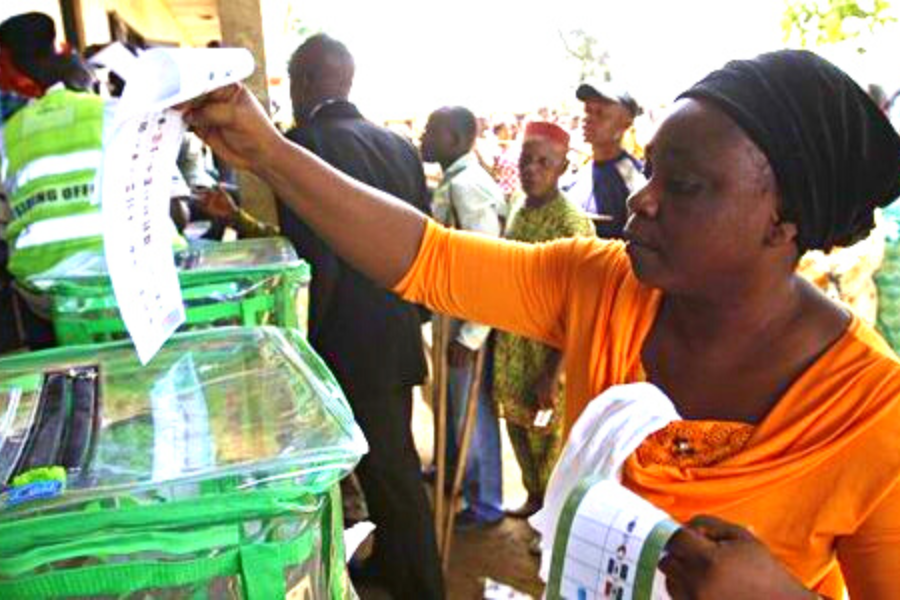
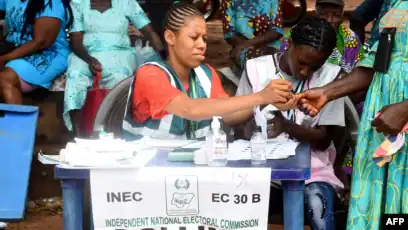
The Independent National Electoral Commission (INEC) has proposed a budget of N873.78 billion for the conduct of the 2027 general elections.
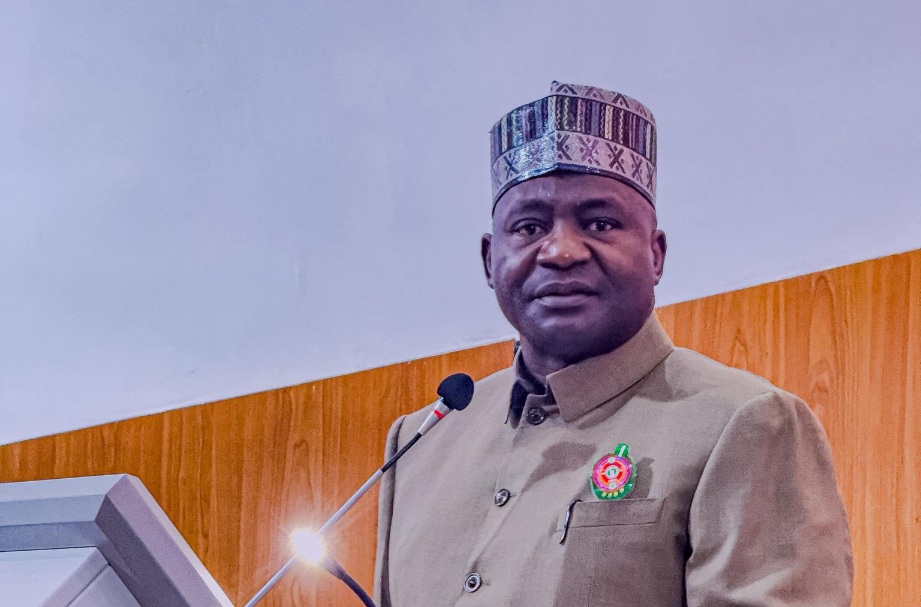
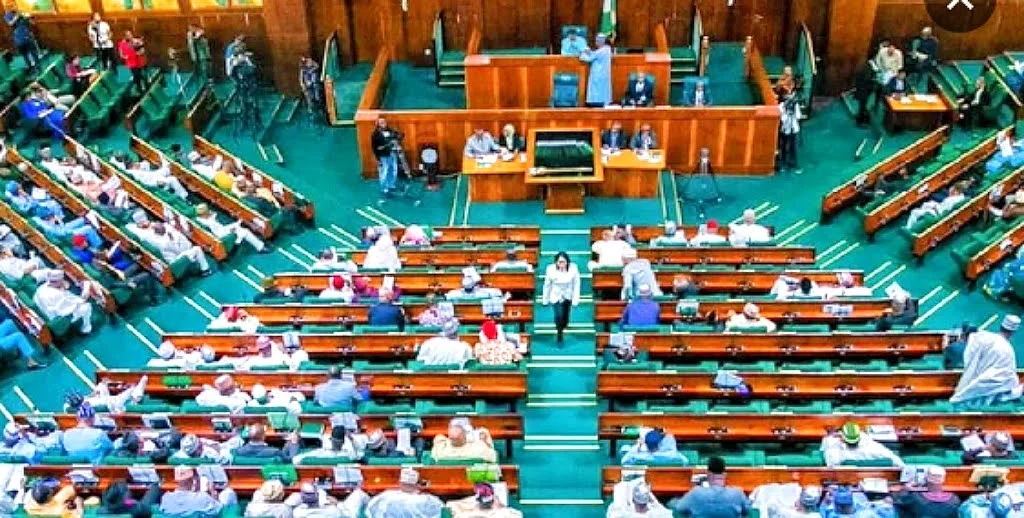
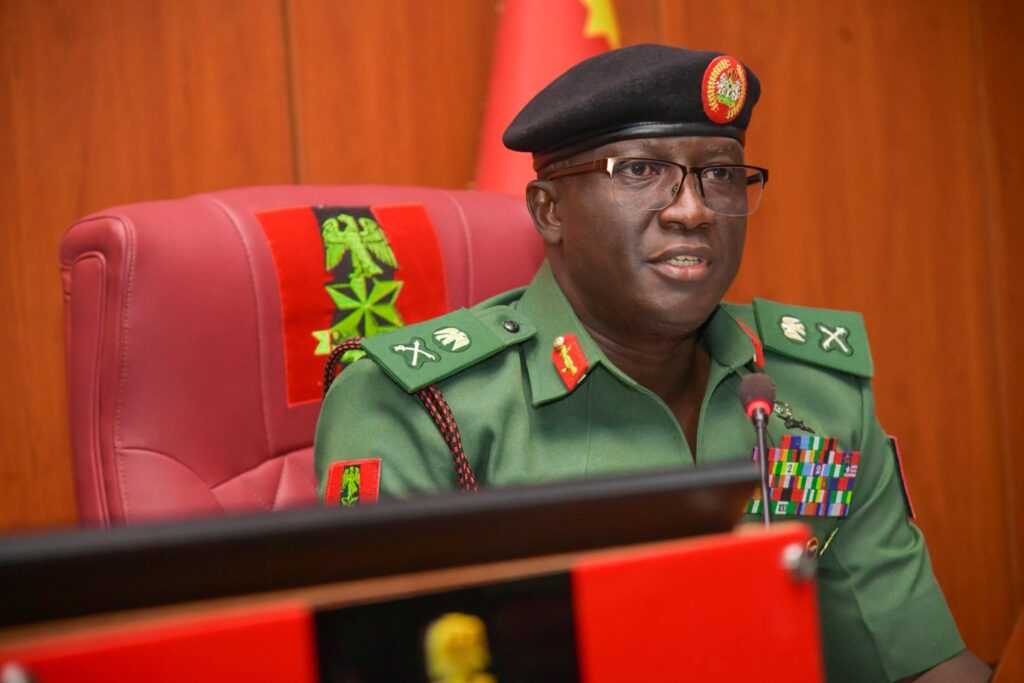
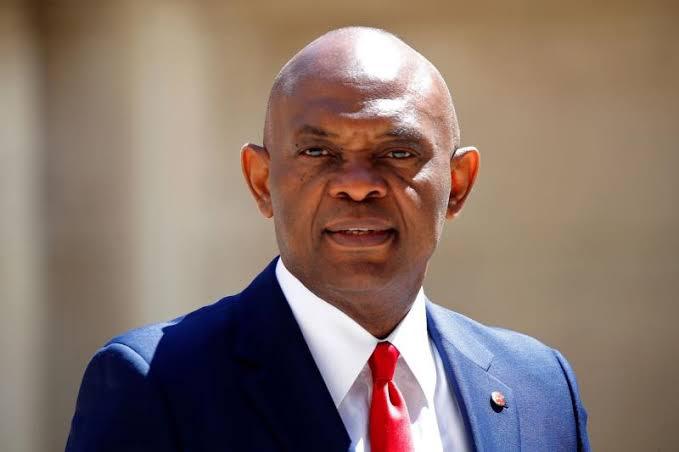
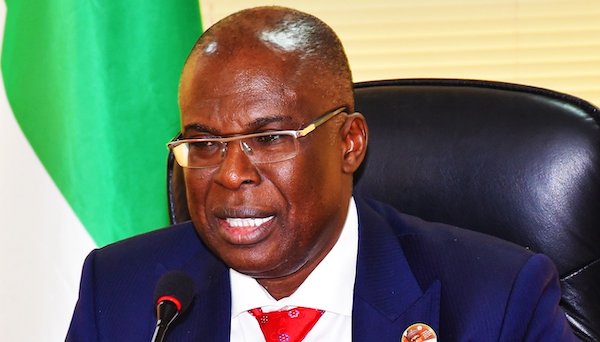
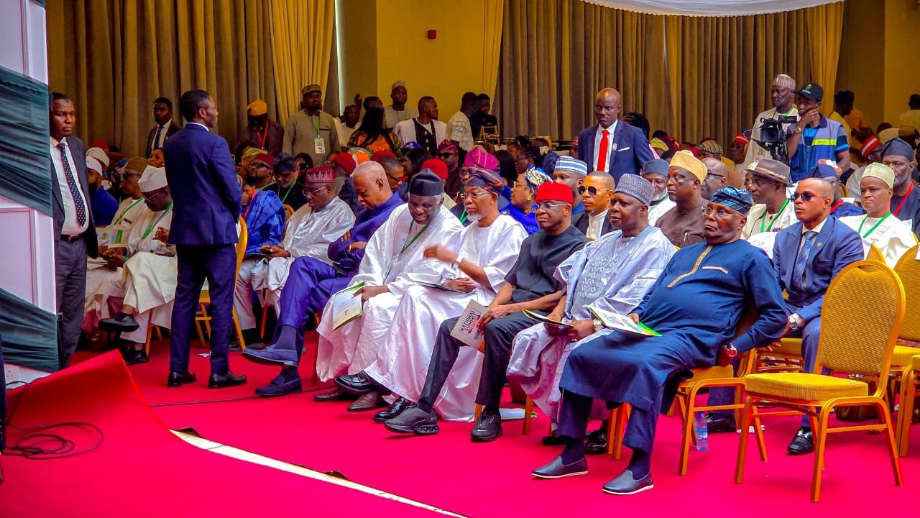
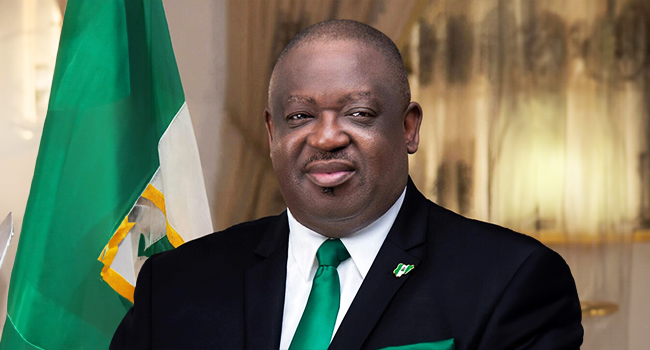
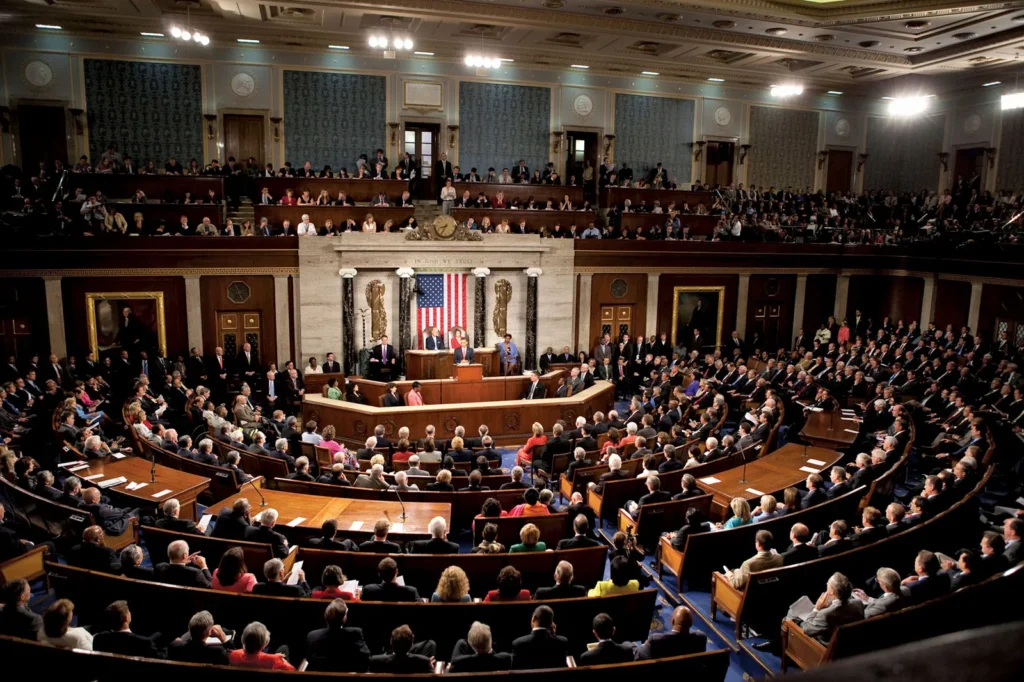
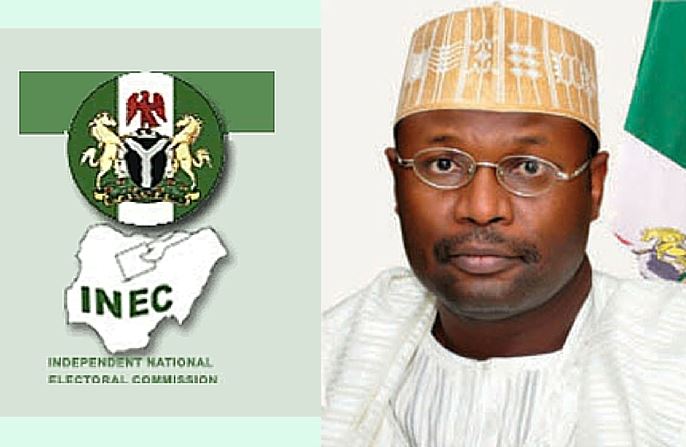
INEC Chairman, Prof. Mahmood Yakubu, disclosed this on Thursday while presenting the commission’s 2026 budget proposal and detailed 2027 election cost estimates before the National Assembly of Nigeria Joint Committee on Electoral Matters.
A breakdown shows that election operational costs account for N375.75 billion, administrative costs N92.31 billion, technology costs N209.21 billion, and capital costs N154.90 billion, totalling N832.17 billion.
Miscellaneous expenses of N41.61 billion bring the grand total to N873.78 billion.
Yakubu clarified that this election budget is separate from the commission’s proposed N171 billion allocation for the 2026 fiscal year, which will fund routine activities such as by-elections and off-cycle polls.
He noted that the submission complies with Section 3(3) of the Electoral Act 2022, which requires the commission to present its general election budget at least one year before the polls.
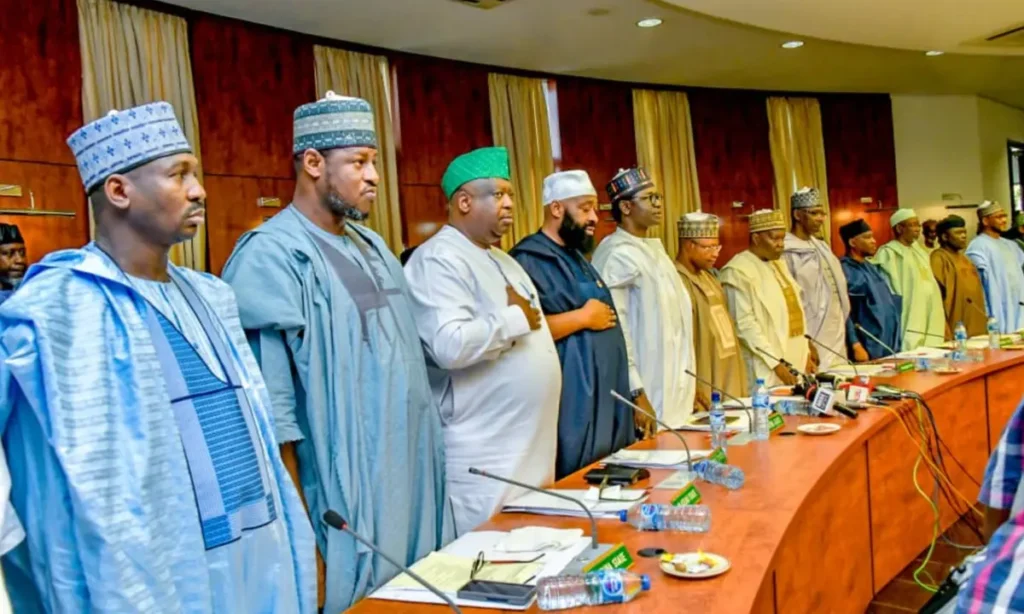
Lawmakers raised concerns about funding mechanisms and implementation of key provisions of the Act, particularly electronic transmission of results.
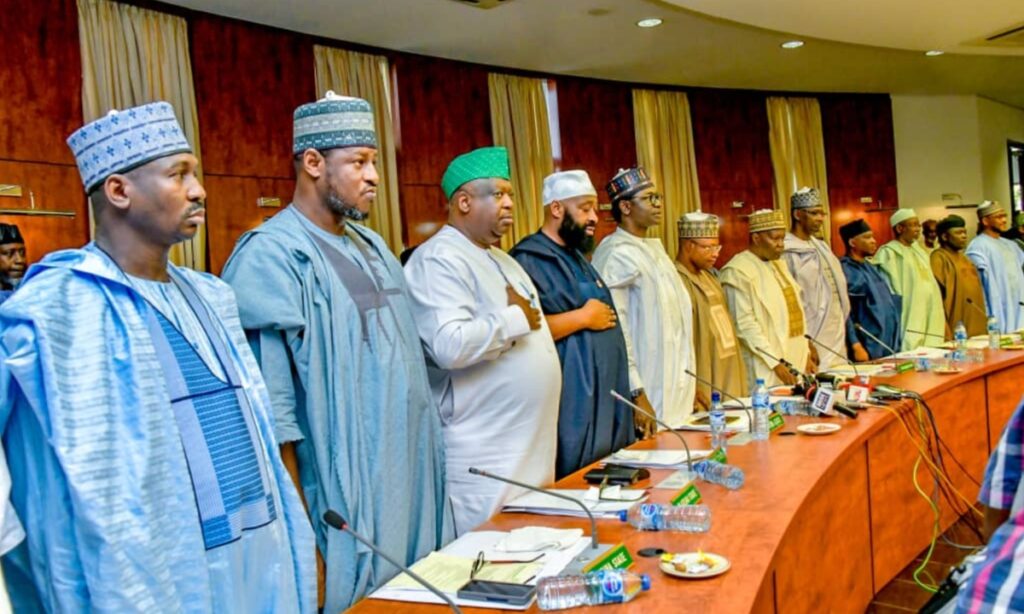
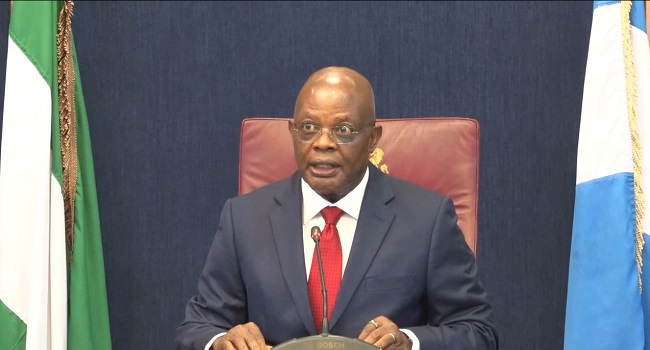
Chairman of the joint committee, Sen. Samuel Lalong, said the legislature would scrutinise the proposal thoroughly before approving funds to ensure nationwide coverage.
He emphasised that while INEC proposes estimates, the constitutional authority to appropriate funds rests with the legislature.
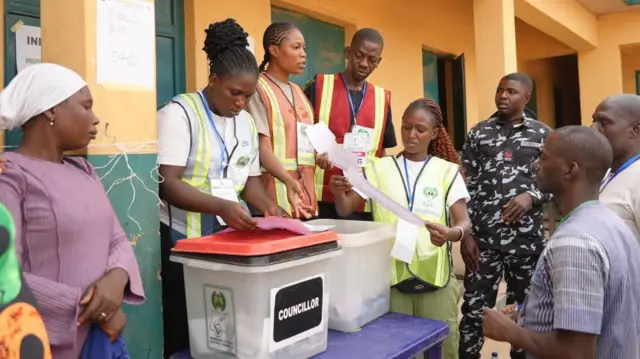
The committee also indicated it would review funding for members of the National Youth Service Corps (NYSC) deployed for election duties. Under the proposal, each corps member would receive N127,000, alongside N4,500 for feeding and N5,000 for five days of training. About 450,000 corps members are expected to participate.
The proposal comes amid controversy over amendments to the Electoral Act.
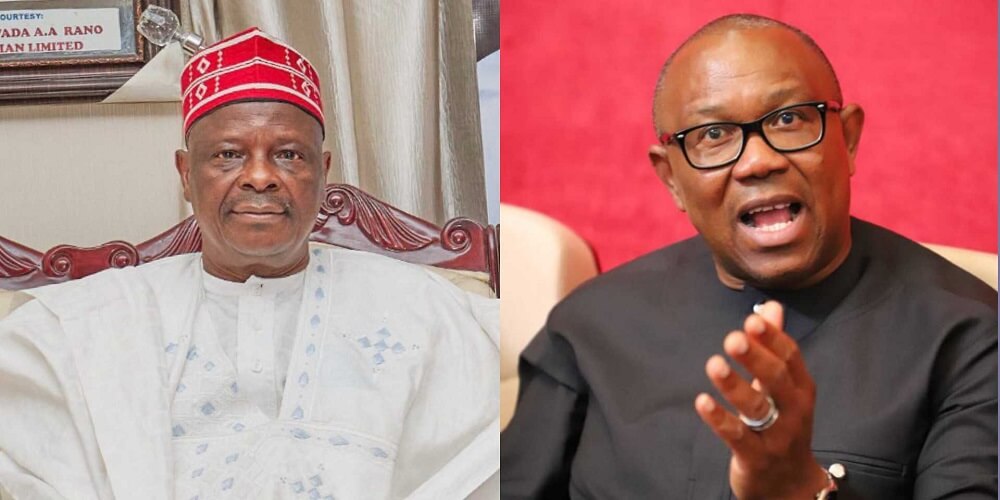
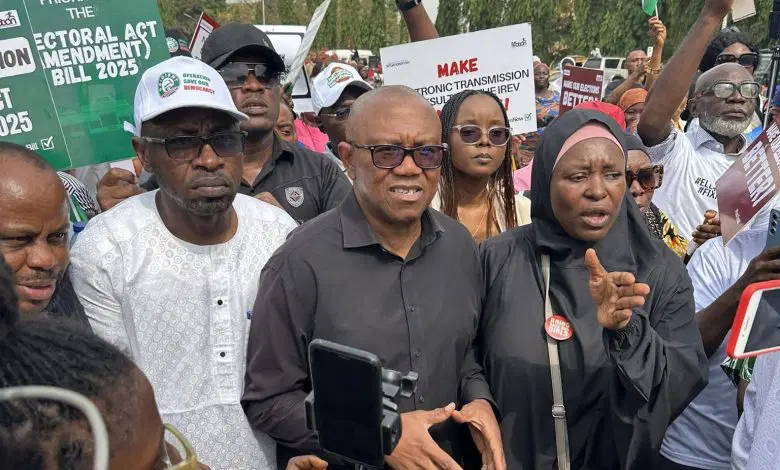
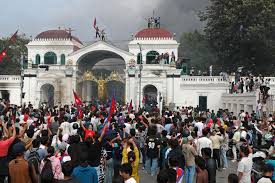
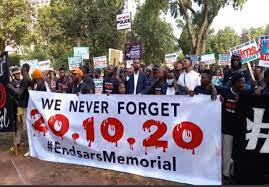
The Senate initially rejected a clause mandating real-time electronic transmission of polling unit results to the IReV portal, sparking protests at the National Assembly led by Peter Obi and later joined by Rotimi Amaechi.
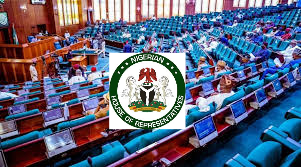
While the House of Representatives Nigeria adopted the clause, the Senate later reversed its stance at an emergency plenary, approving electronic transmission while retaining manual collation as a backup in the event of technical failure.
Both chambers are expected to harmonise their versions of the amendment bill.