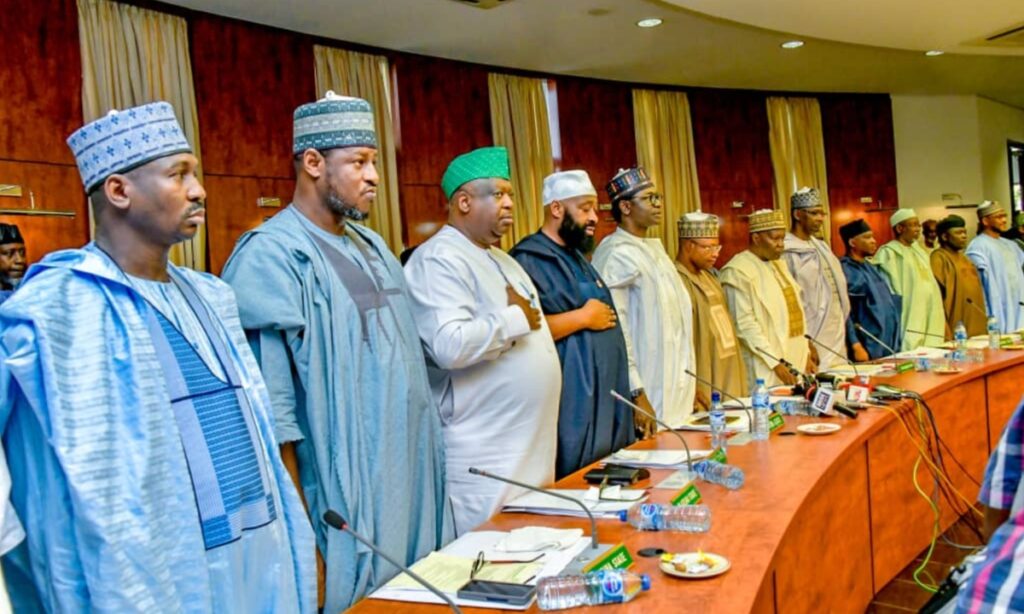
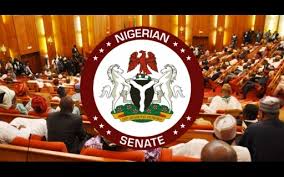
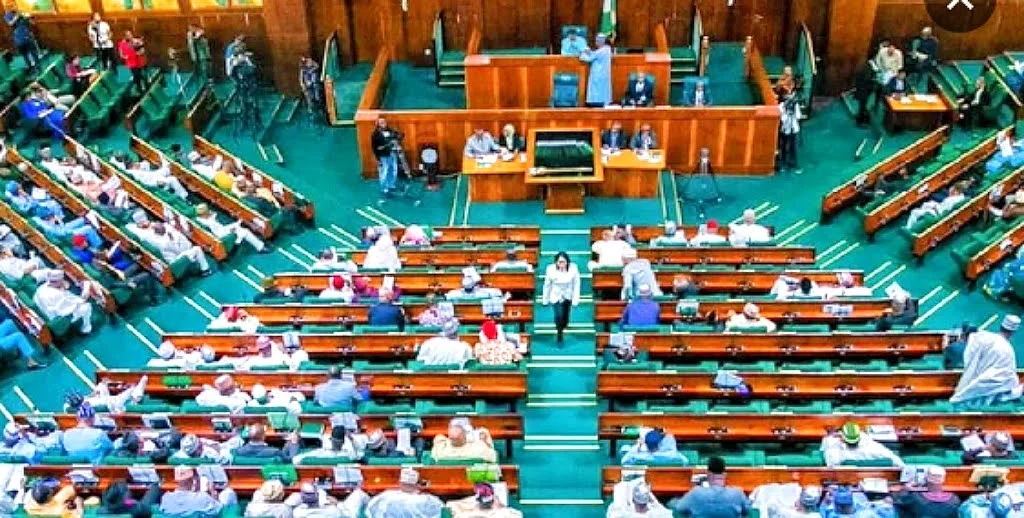
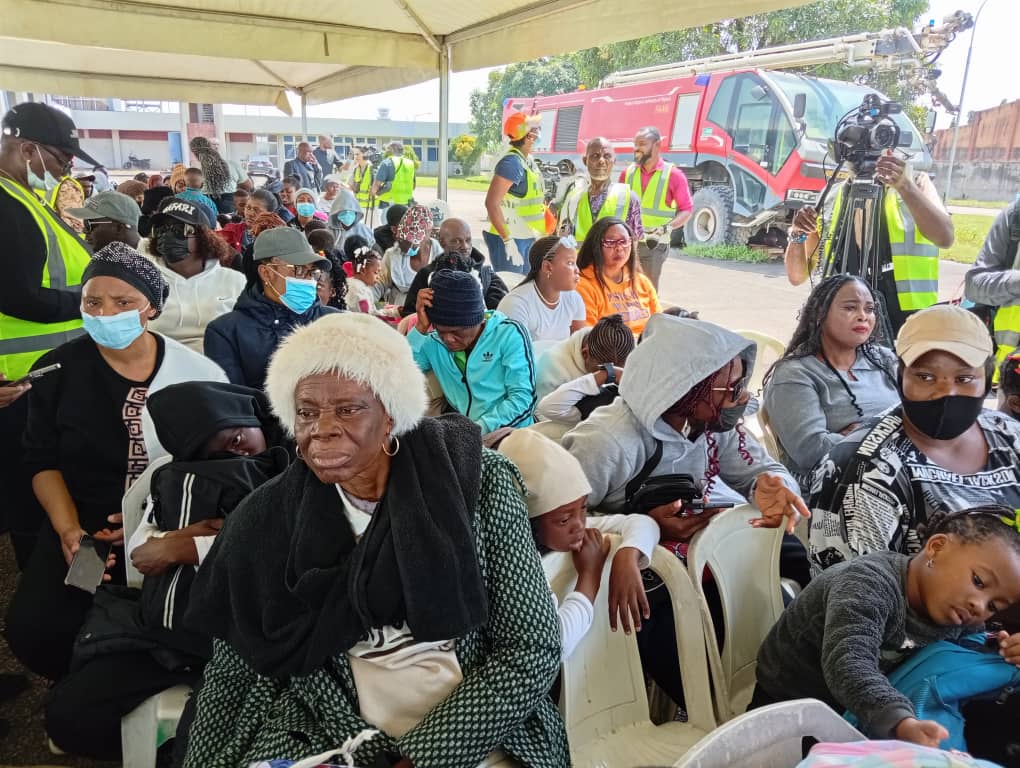
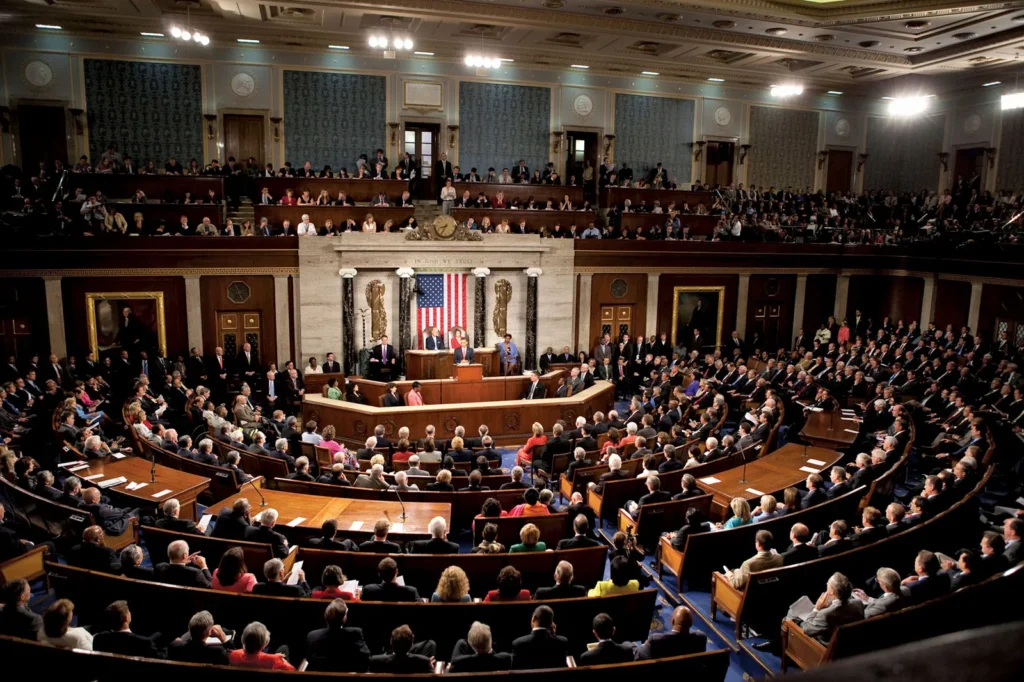
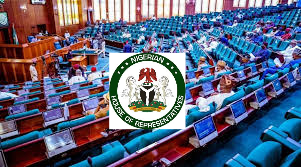
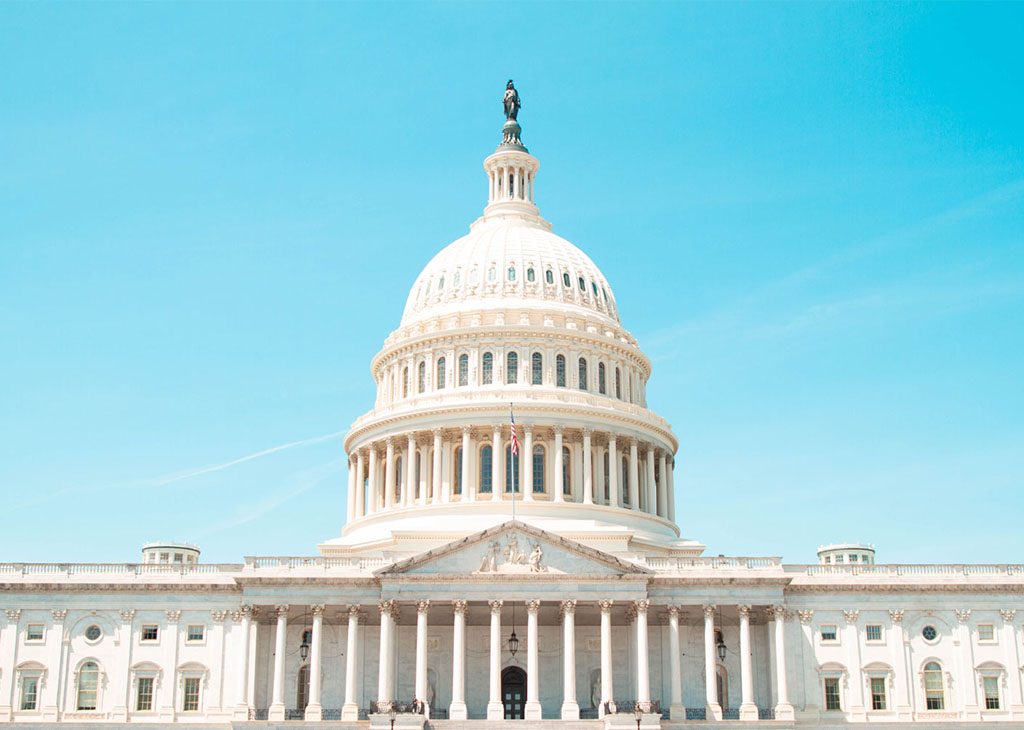
The Senate has resolved to constitute a joint ad hoc committee of the Senate and the House of Representatives to address the rising cases of xenophobic attacks against Nigerians in South Africa.
The committee, which will be led by the leadership of the National Assembly, is expected to undertake a fact-finding and diplomatic mission to South Africa aimed at identifying lasting solutions to the crisis.
As part of its mandate, the delegation is expected to visit the South African Parliament to formally convey Nigeria’s strong displeasure over the reported attacks.
The Senate also resolved to write to the Speaker of the South African Parliament and invite the Minister of Foreign Affairs to brief lawmakers on the outcome of diplomatic engagements on the matter.
The upper chamber further adopted a resolution sponsored by Senator Simon Lalong calling for a review of agreements reached during the 2019 bilateral meeting between Nigeria and South Africa, with a view to ensuring their implementation.
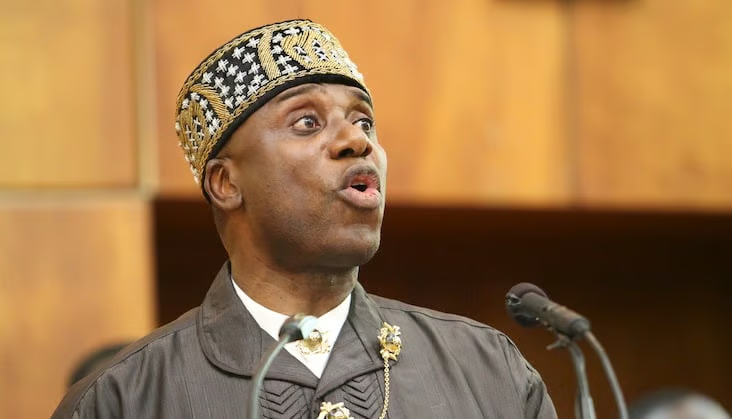
Meanwhile, Senator Adams Oshiomhole proposed the revocation of the operational licences of South African companies such as MTN and DStv in Nigeria. However, the proposal was rejected on procedural grounds.
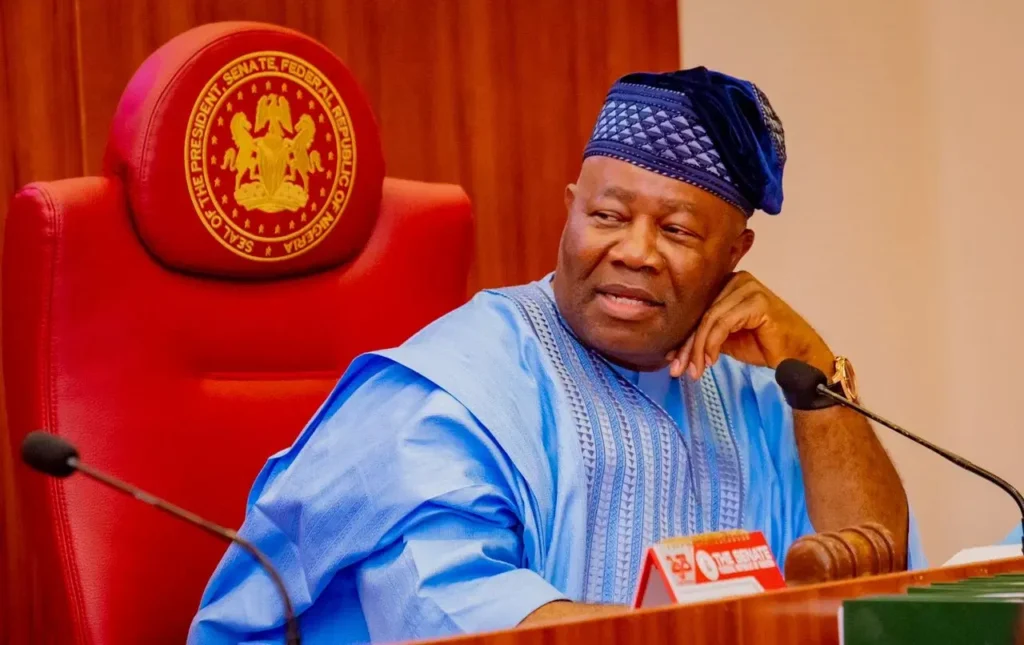
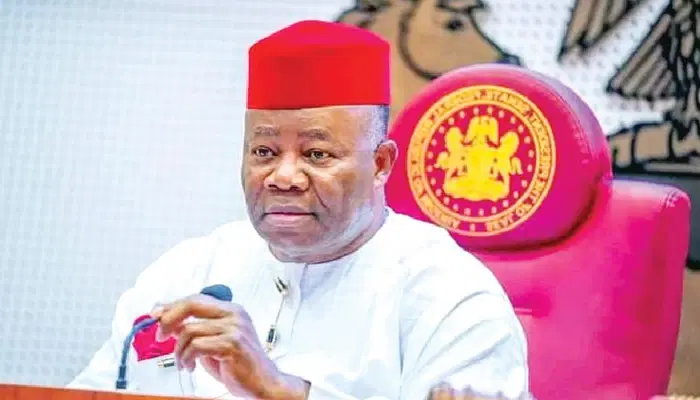
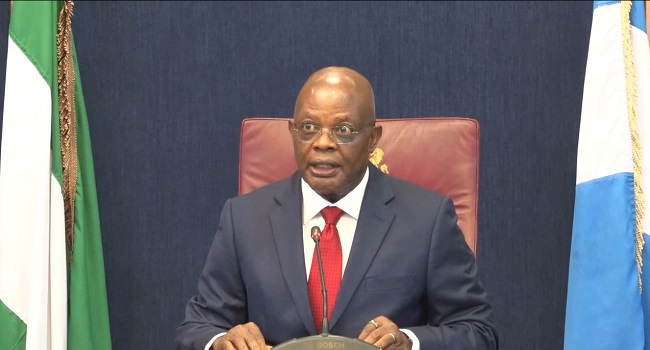
In his remarks, Senate President Godswill Akpabio underscored the importance of diplomatic engagement in resolving the crisis, noting that economic retaliation against businesses would not be the preferred course of action. He said the Senate regarded the reported attacks as serious and would address the matter with the urgency it deserved.
The resolutions followed a motion of urgent national importance moved by Senator Bassey and titled: “Intensifying Xenophobic Persecution of Nigerians in South Africa and Ghana: A Call for Urgent National, Diplomatic and Humanitarian Action to Defend the Dignity, Safety and Honour of Nigerian Citizens.”
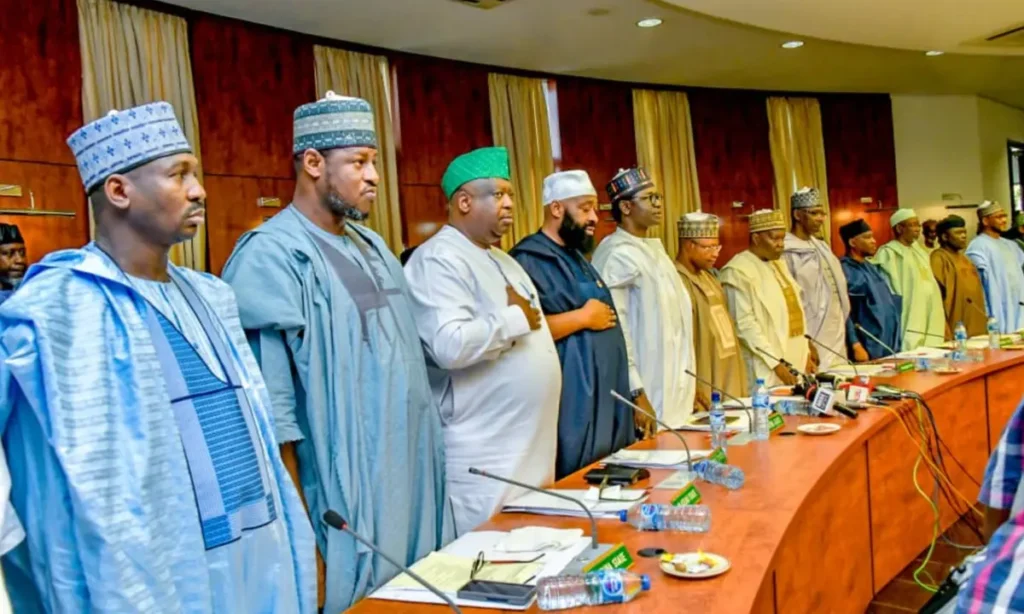
During deliberations, lawmakers were divided over whether the motion should be stepped down for a closed-door session after Senator Adamu Aliero suggested that discussions be held behind closed doors. The proposal was immediately opposed by Senator Abdul Ningi and other lawmakers, who insisted that deliberations should remain open.
Lawmakers expressed deep concern not only over the physical attacks, but also over the growing climate of fear, psychological trauma, and dehumanisation faced by Nigerians abroad. They noted that many Nigerians were increasingly being profiled and targeted solely because of their nationality.
The Senate subsequently observed a minute’s silence in honour of Nigerians who lost their lives in the attacks in South Africa.