























































































































































































































































































































































































































































































































































































































































































































































































































































































































































































MAN raises alarm over industrial growth decline

The Manufacturers Association of Nigeria (MAN) has raised the alarm over the steep decline in overall industrial growth in the second quarter of 2026, describing the sector as suffocating under severe structural headwinds.
The National Bureau of Statistics (NBS) Q2 2026 Gross Domestic Product (GDP) report revealed an overall year-on-year real GDP growth rate of 4.43 per cent, up from 3.89 per cent in Q1 2026 and 4.23 per cent in Q2 2025.
However, the growth trajectory remains disproportionately service-driven, with the services sector accounting for 56.62 per cent of GDP, while the broader industrial sector accounted for only 17.23 per cent.
The association noted that, while the overall year-on-year real GDP growth rate of 4.43 per cent suggests economic resilience, the performance shows a widening disconnect between macroeconomic figures and real-sector vitality.
According to MAN, the Q2 2026 GDP performance serves as a reminder that sustainable national prosperity must be anchored on active domestic manufacturing, rather than service consumption and extraction.
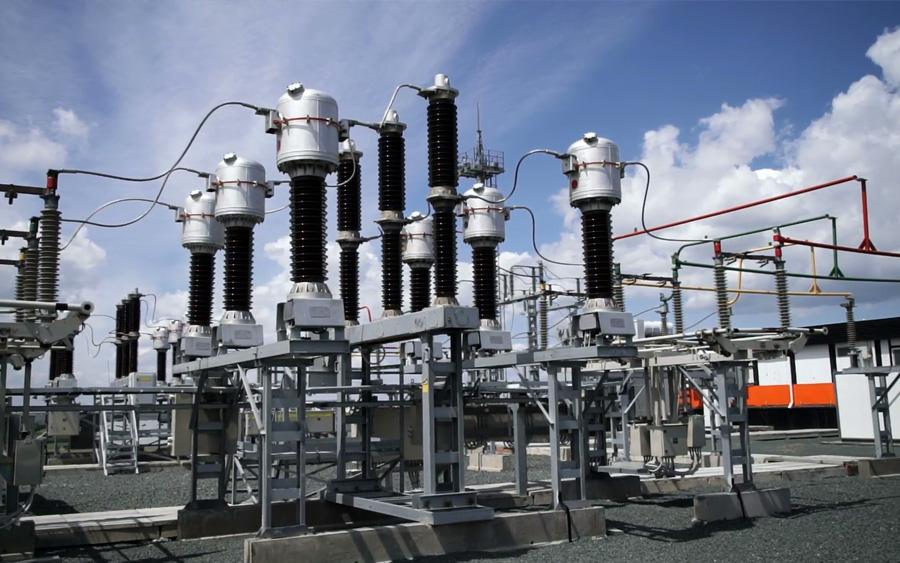
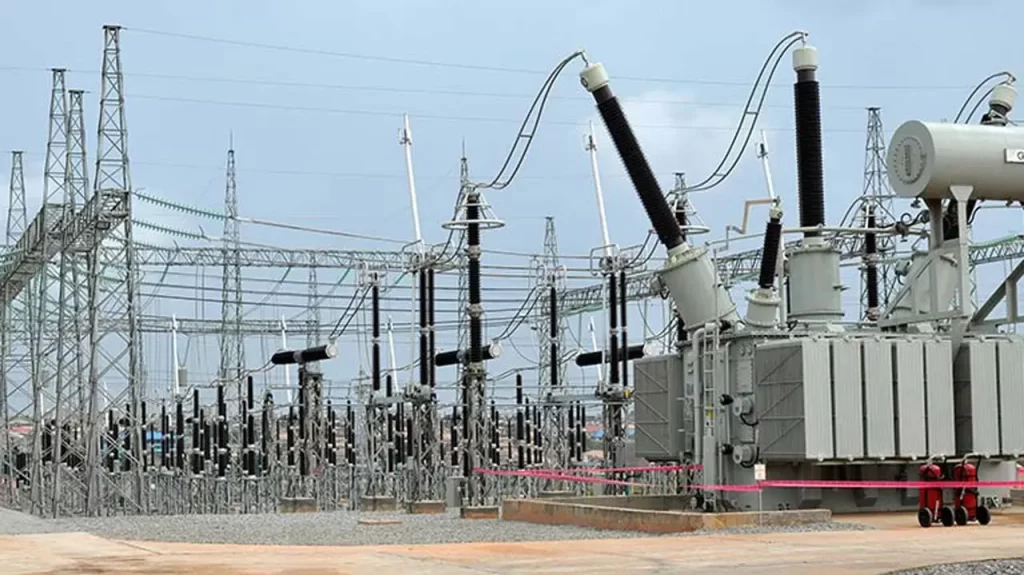
It attributed the rapid industrial erosion to electricity, gas, steam, and air-conditioning supply, which, it stated, recorded the sharpest contraction of 10.63 per cent in Q2 2026.
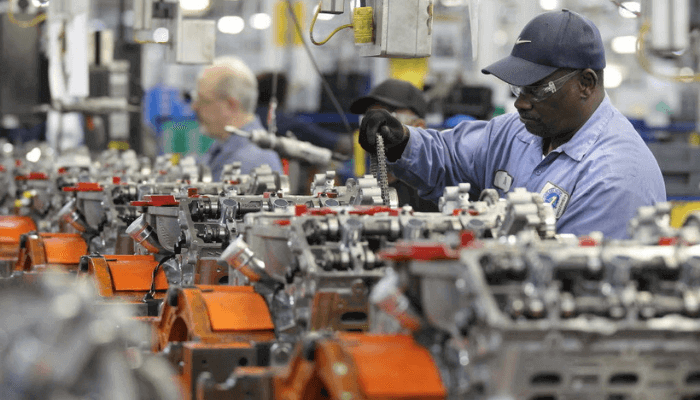
MAN also noted that the drastic drop in manufacturing’s share of real GDP, from 9.57 per cent in Q1 2026 to 7.72 per cent in Q2 2026, alongside a marginal decline in real manufacturing growth from 3.29 per cent to 3.24 per cent, further compounded the decline.
It warned that headline GDP growth driven by non-tradable service activities would not strengthen foreign exchange reserves, reduce structural inflation, or create sustainable mass industrial jobs.
“Therefore, Nigeria cannot sustain its growth momentum on services and extraction alone. A nation that trades and consumes what it does not produce builds prosperity on quicksand,” it added.
The association added that the drop in manufacturing’s contribution to GDP from 9.57 per cent to 7.72 per cent in a single quarter highlighted severe cost pressures, a high exchange rate, exorbitant interest rates, and excessive electricity tariffs facing domestic manufacturers.
On the implications for the manufacturing sector and the wider economy, the association warned of employment fragility, saying that contraction in labour-intensive sectors such as textiles and vehicle assembly directly threatens wage employment and risks triggering job losses across lower- and middle-income demographics.
It expressed the belief that slow growth in basic consumer goods manufacturing, such as food and beverages, signals supply-side constraints that could perpetuate food inflation, undermine household real incomes, and worsen poverty levels.