






































































































































































































































































































































































































































































































































































































































































Tinubu assures investors, pledges more business-friendly environment

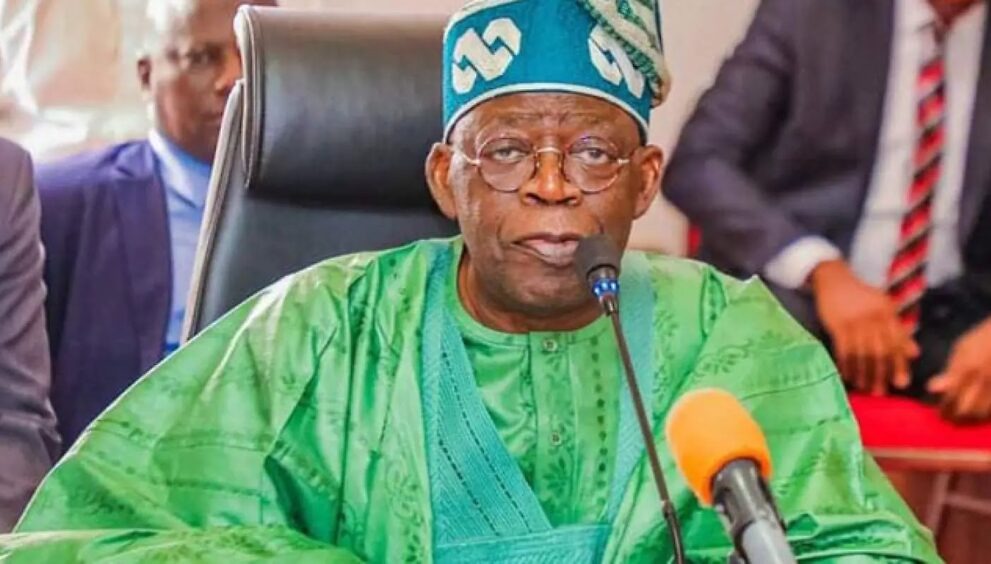
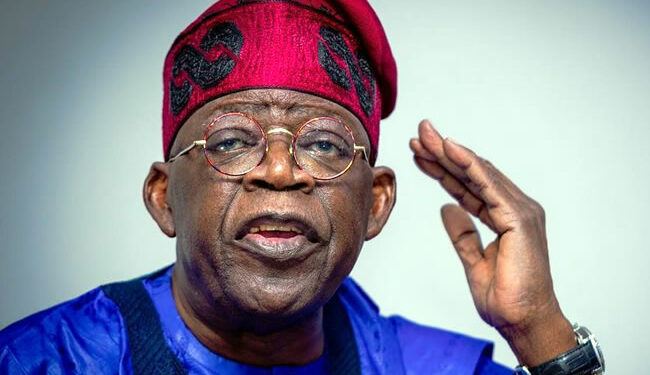
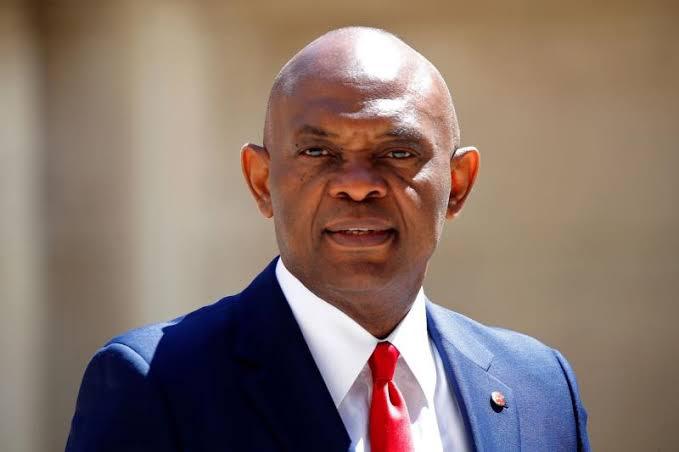
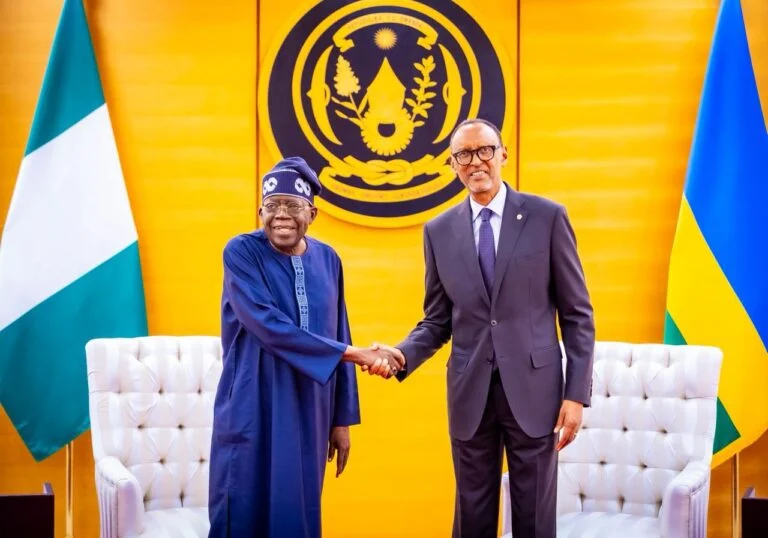
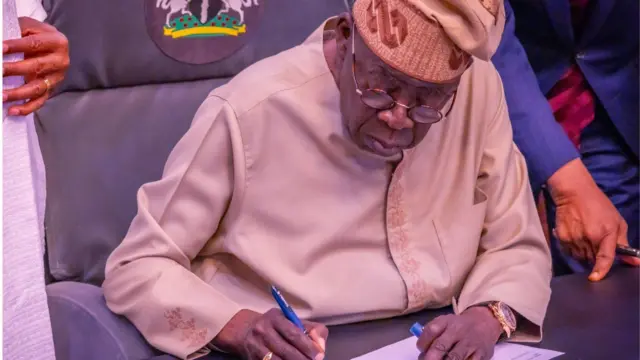
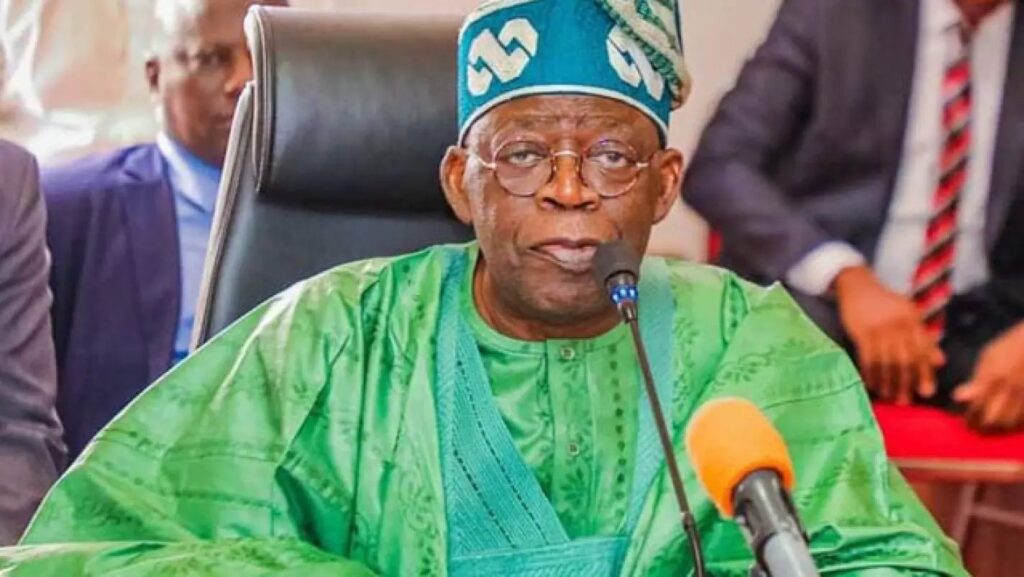
President Bola Tinubu has assured local and international investors that Nigeria remains open for business, saying his administration is working to create a more predictable, competitive, and investment-friendly environment.
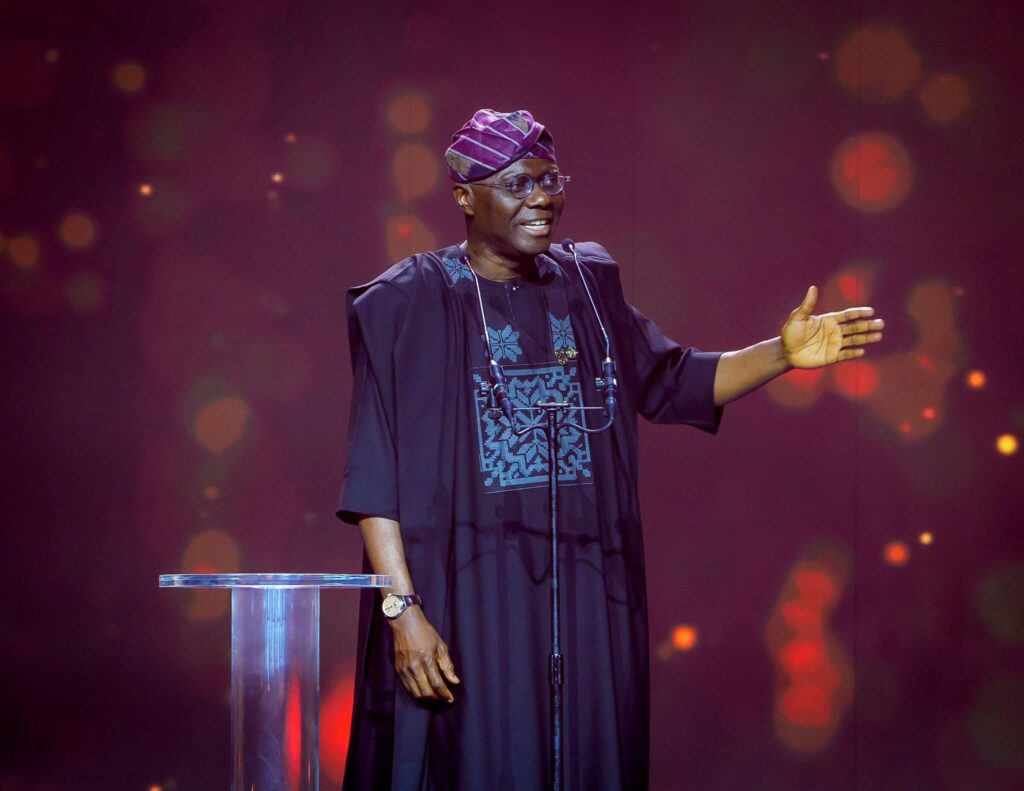
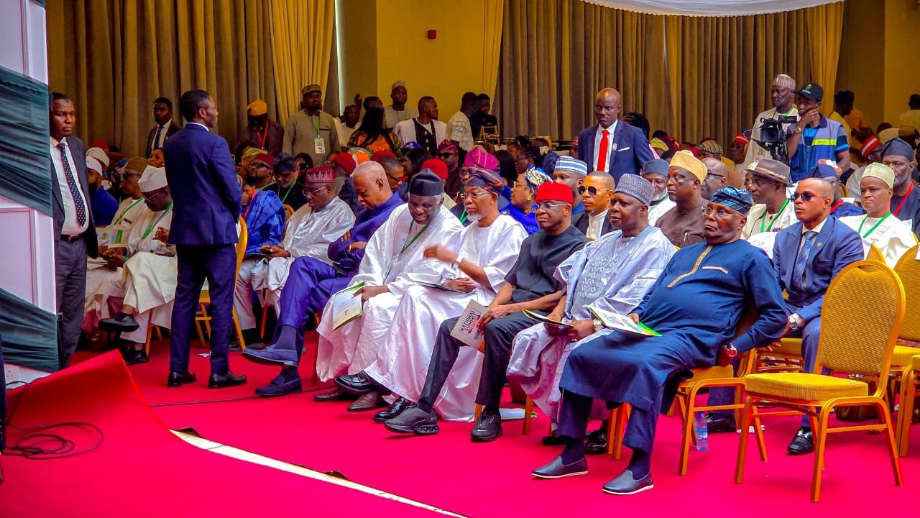
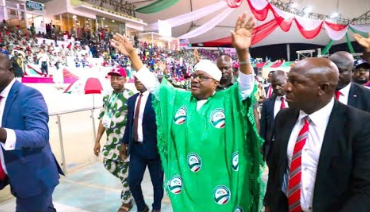
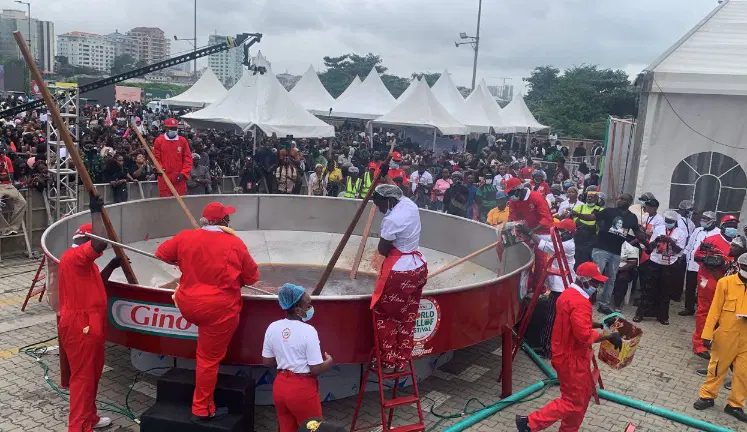
The President gave the assurance on Monday in Abuja at the 75th anniversary flagship event of Nigerian Bottling Company Limited (NBC), held at the Bola Ahmed Tinubu International Conference Centre.
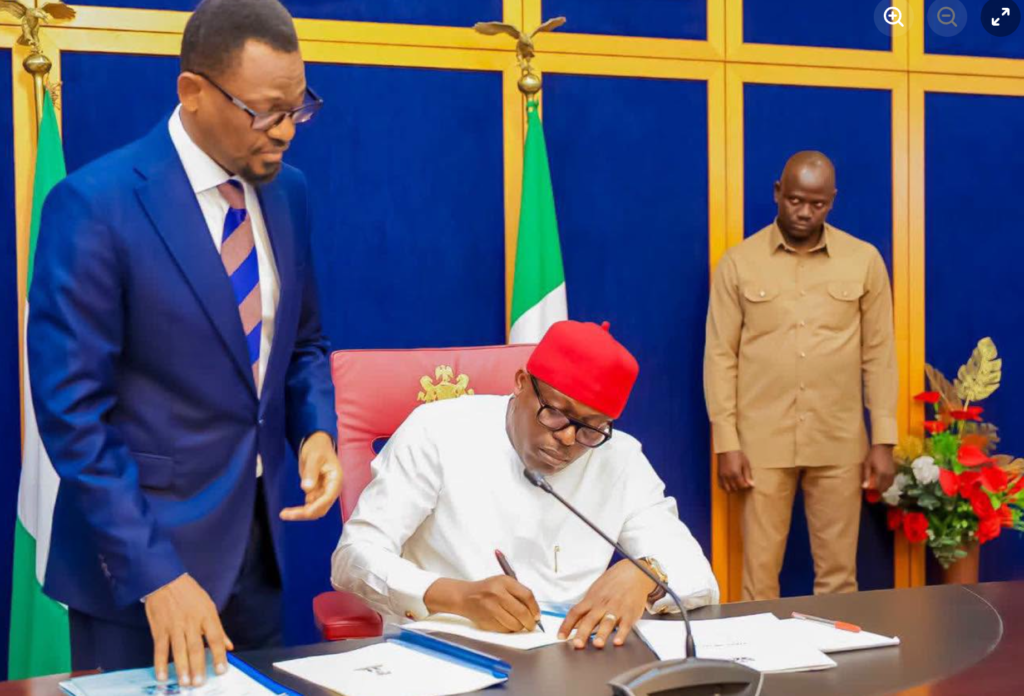
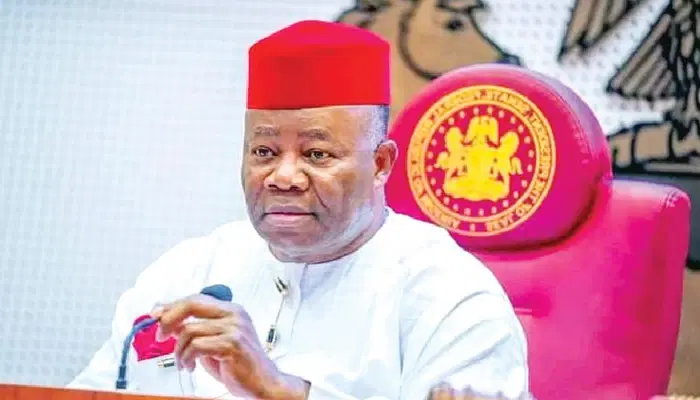
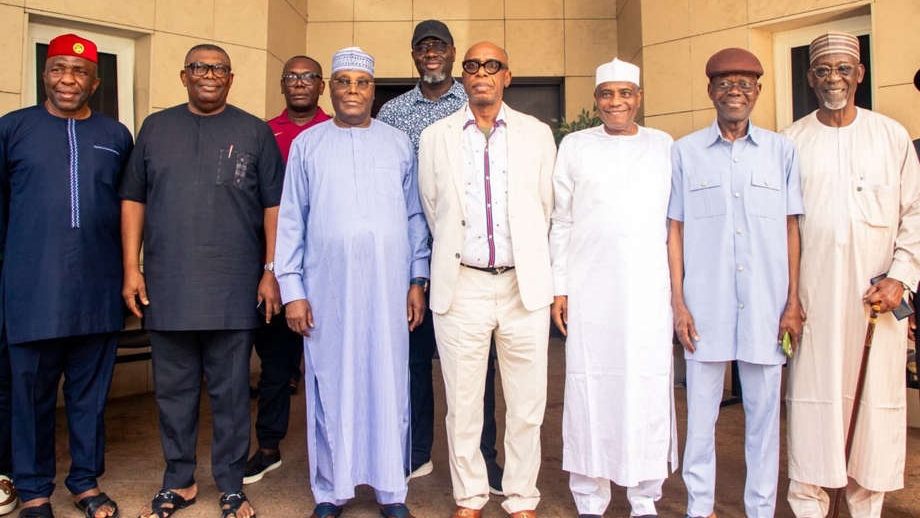
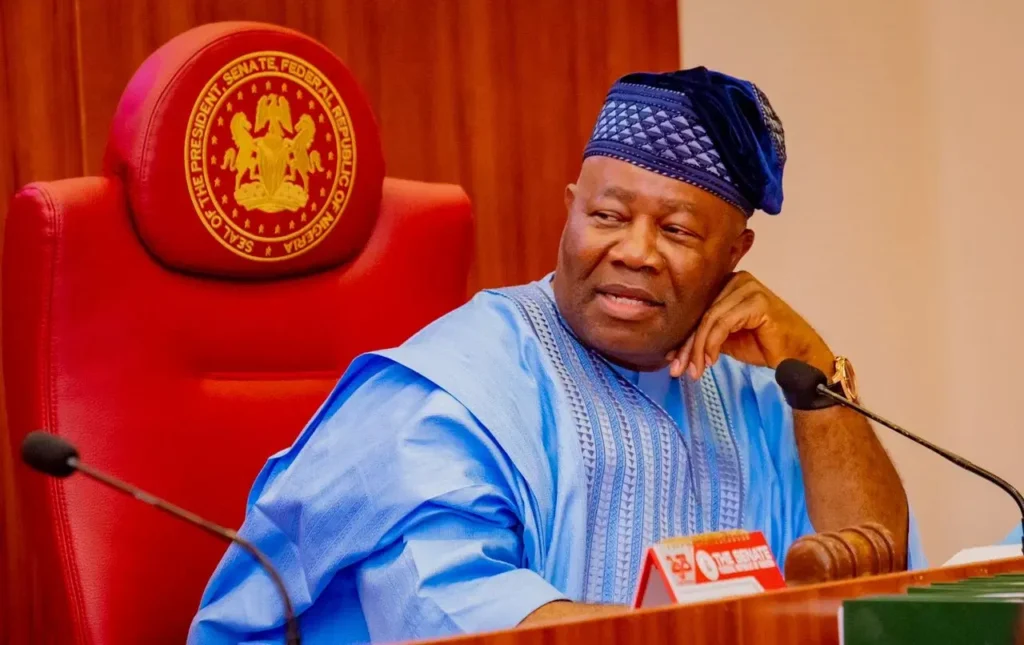
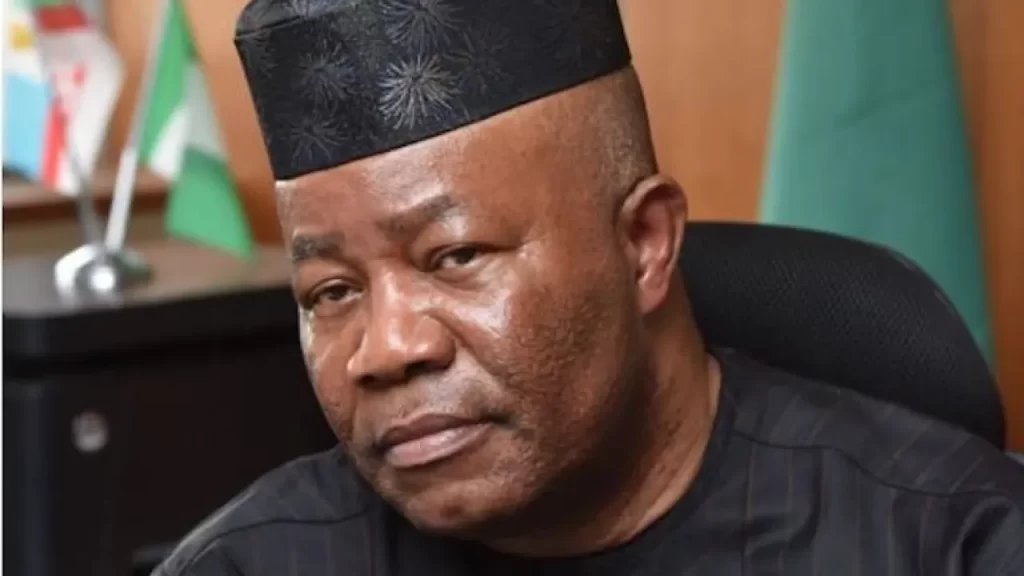
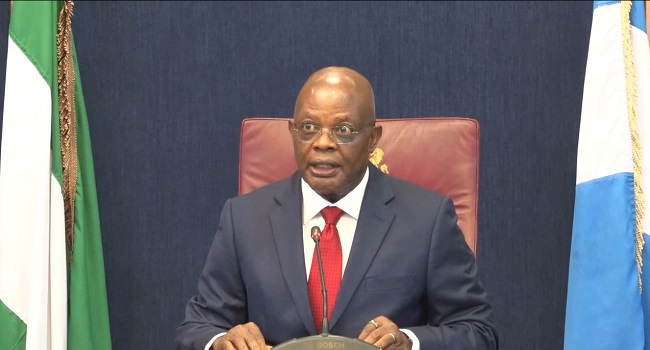
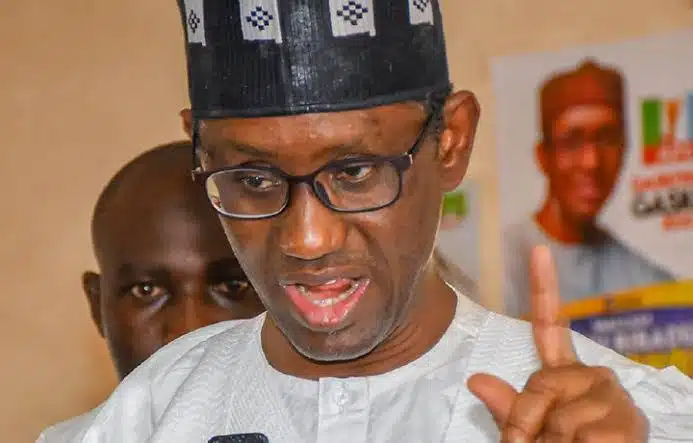
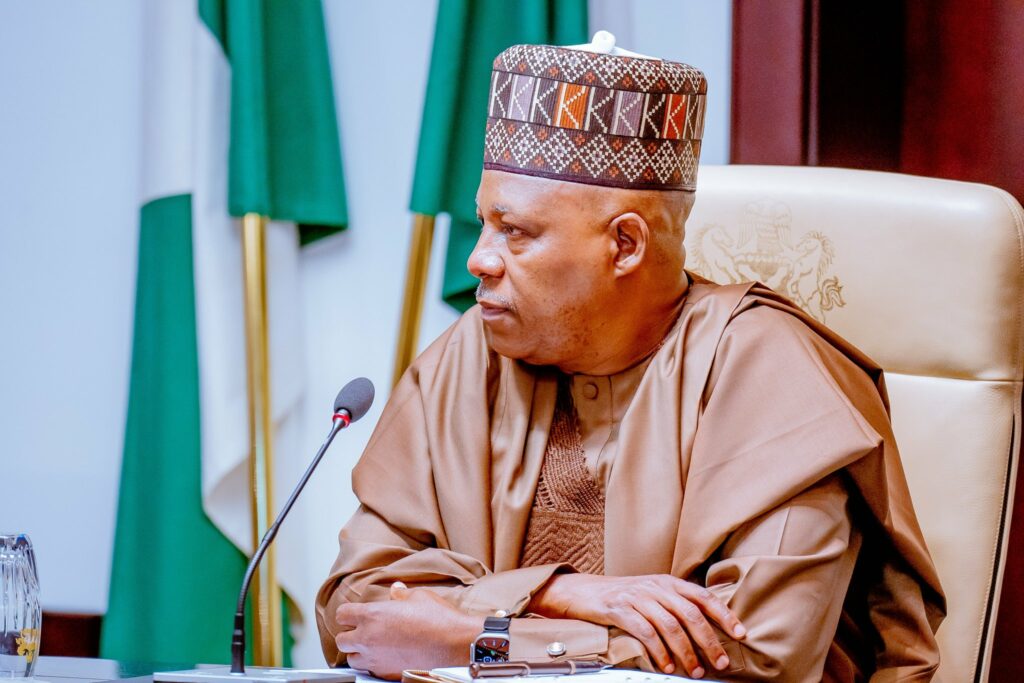
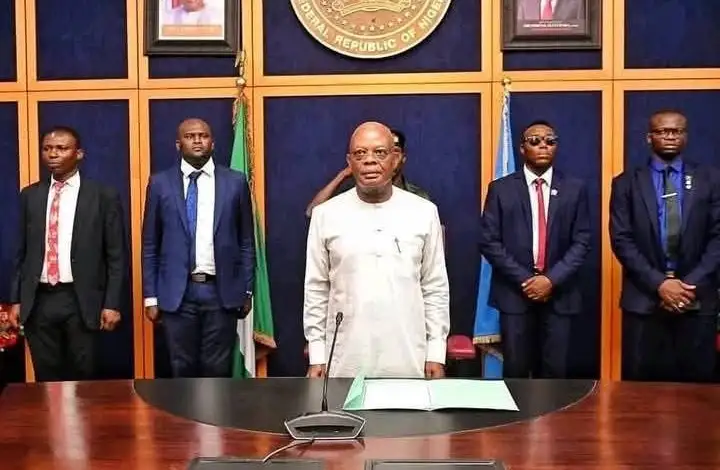
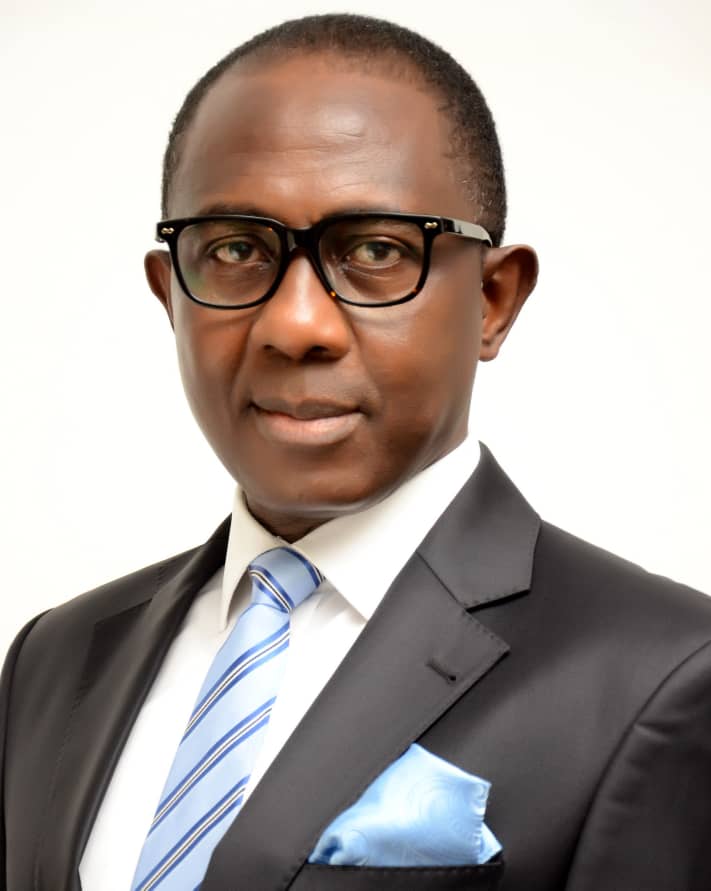
Tinubu, who was represented by the Secretary to the Government of the Federation, Senator George Akume, said the Federal Government recognised the practical challenges confronting businesses and was addressing them through reforms under the Renewed Hope Agenda.
“Our message to investors, both Nigerian and international, is clear: Nigeria is open for business, and we are working to make the business environment more predictable, more competitive and more supportive of investment,” the President said.
He noted that businesses required reliable power and infrastructure, clear and consistent regulations, efficient ports and logistics, access to foreign exchange, and a tax system that encouraged productive enterprise.
According to him, these factors directly influenced investors’ decisions on whether to expand factories, establish new production lines, and create additional employment opportunities.
Tinubu said his administration had embarked on economic reforms to build a more productive and competitive economy capable of reducing dependence on imports, expanding domestic manufacturing, and creating greater opportunities for Nigerians.
“We are making difficult changes because we want a more productive and competitive Nigerian economy. We do not want to remain overly dependent on imported goods while our own productive capacity remains underdeveloped. We want to produce more, manufacture more, add more value locally and create more opportunities for Nigerians,” he added.
The President welcomed the Coca-Cola System’s announcement in 2024 of a potential $1bn investment in Nigeria over five years. He described the commitment, which followed $1.5bn invested during the preceding decade, as a vote of confidence in the Nigerian economy.
He said his administration was interested not merely in the volume of capital entering the country, but also in its impact on employment, skills development, local sourcing, technology transfer, and domestic productive capacity.
“For this administration, that is what investment must mean. We are interested not only in the amount of capital that comes into Nigeria, but in what that capital does here. Does it create jobs? Does it strengthen Nigerian businesses? Does it develop skills? Does it increase local sourcing? Does it bring new technology and knowledge? Does it help us produce more in Nigeria?
“Those are the outcomes that matter,” he stated.
Tinubu said Nigeria should not be regarded merely as a large market where international businesses sold their products, but as a country where enterprises could establish operations, develop local talent and supply chains, grow, and compete in African and global markets.
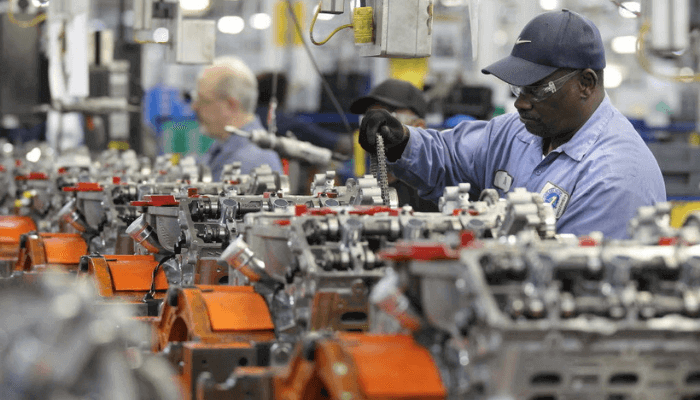
He said NBC’s continued investment in production capacity, including new production lines at Asejire in Oyo State and Challawa in Kano State, represented the kind of investment needed to strengthen Nigeria’s productive base.
The President challenged businesses and policymakers to explore ways to increase local content, develop Nigerian companies into dependable suppliers to major manufacturers, train young Nigerians to operate and maintain modern industrial equipment, and progressively replace imports with competitively manufactured Nigerian products.
He pledged that the Federal Government would continue to improve the policies, infrastructure, and regulatory environment needed to encourage investment and domestic production. However, he stressed that the private sector must complement the government’s efforts through investment, innovation, risk-taking, and job creation.
“Government has a role to play. We will continue to work on the policies, infrastructure and regulatory environment required to support investment and domestic production. But government cannot do this alone.
“The private sector must also play its part. Businesses invest. Businesses innovate. Businesses take risks. Businesses create jobs. Our responsibility in government is to create an environment in which those things can happen,” he added.
Tinubu also stressed the importance of human capital development, noting that investment ultimately derived its value from the opportunities it created for people.
He commended NBC for its Supply Chain Academy, established in 1996, which has trained more than 1,400 young people, as well as its women’s empowerment initiatives and community interventions, including water and hygiene programmes.
The President said Nigeria’s large youthful population could become a major economic advantage if young people were equipped with the education, technical skills, and opportunities needed to participate meaningfully in the economy.
He said the administration wanted young Nigerians to have opportunities to become entrepreneurs, engineers, technicians, professionals, innovators, and manufacturers. He added that human capital development, enterprise, and job creation remained important pillars of the Renewed Hope Agenda.
Tinubu acknowledged the sacrifices Nigerians and businesses had made as a consequence of the ongoing reform process, but maintained that longstanding structural problems in the economy had to be confronted to build a stronger and more competitive country.
“I know that the reform process has not been easy. Nigerians have made sacrifices, and businesses have had to adjust to changing conditions. We are not blind to these realities. But we also know that some of the structural problems in our economy cannot simply be wished away. They have to be addressed,” he said.
He reaffirmed the administration’s readiness to welcome investors prepared to make long-term commitments to Nigeria, particularly companies willing to manufacture locally, develop Nigerian talent, deepen local supply chains, and contribute positively to their host communities.
“We welcome investors who are prepared to take the long view. We welcome companies willing to produce in Nigeria, develop Nigerian talent, strengthen local supply chains, and contribute to the communities in which they operate. That is the kind of partnership we want between government and business,” Tinubu said.
He urged the wider business community to take advantage of opportunities across Nigeria, saying the country had the people, market, resources, and entrepreneurial spirit required to become a major productive economy.
Earlier, Tinubu congratulated NBC’s board, management, employees, distributors, suppliers, and partners on its 75th anniversary. He described the company’s journey from a business established in Lagos in 1951 to a nationwide enterprise as an example of the possibilities inherent in long-term investment in Nigeria.
He noted that the Coca-Cola System generated an estimated $1bn in value-added economic activity in Nigeria in 2024, supported more than 160,000 livelihoods across its value chain, and purchased approximately $601m worth of goods and services from Nigerian suppliers.
The President said the figures demonstrated the multiplier effect of productive investment, as manufacturing activities created opportunities for suppliers, transporters, engineers, technicians, distributors, retailers, farmers, financial institutions, and other businesses.
He charged NBC and the Coca-Cola System to sustain their investments in Nigeria, continue developing Nigerian talent, deepen local supply networks, and explore new opportunities for creating value in the country.
Tinubu expressed confidence that Nigeria could build an economy that produced and exported more, created greater value domestically, developed globally competitive industries, and equipped young Nigerians for emerging technologies and jobs.
He said economic transformation required consistent policies, investment, infrastructure, and confidence in Nigeria’s capacity, stressing that the government would remain committed to the reforms needed to achieve the objective.
The President wished NBC, its management, employees, partners, and the entire Coca-Cola System greater success as the company began another chapter of its operations in Nigeria.