






































































































































































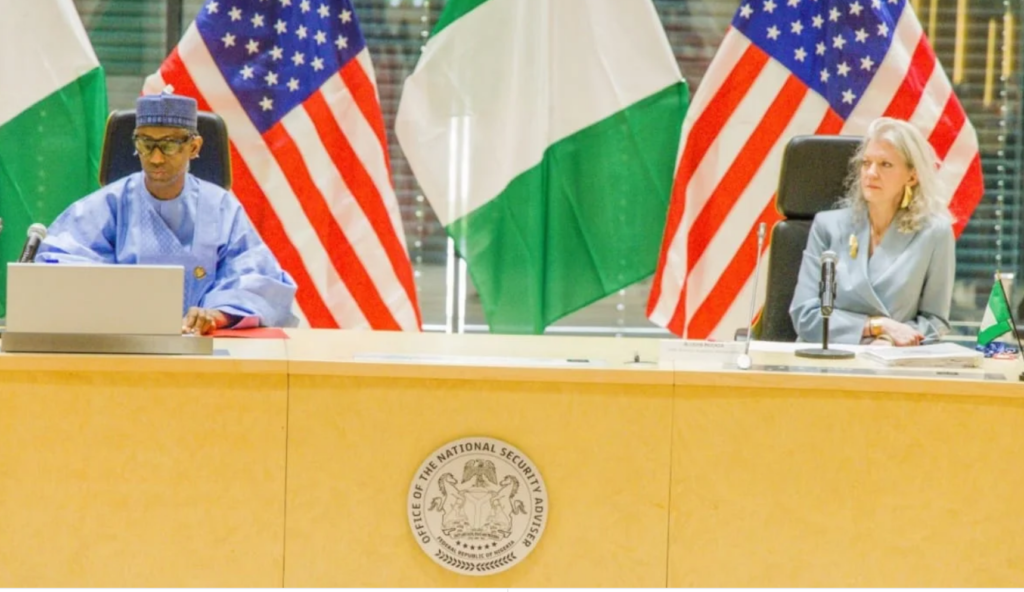


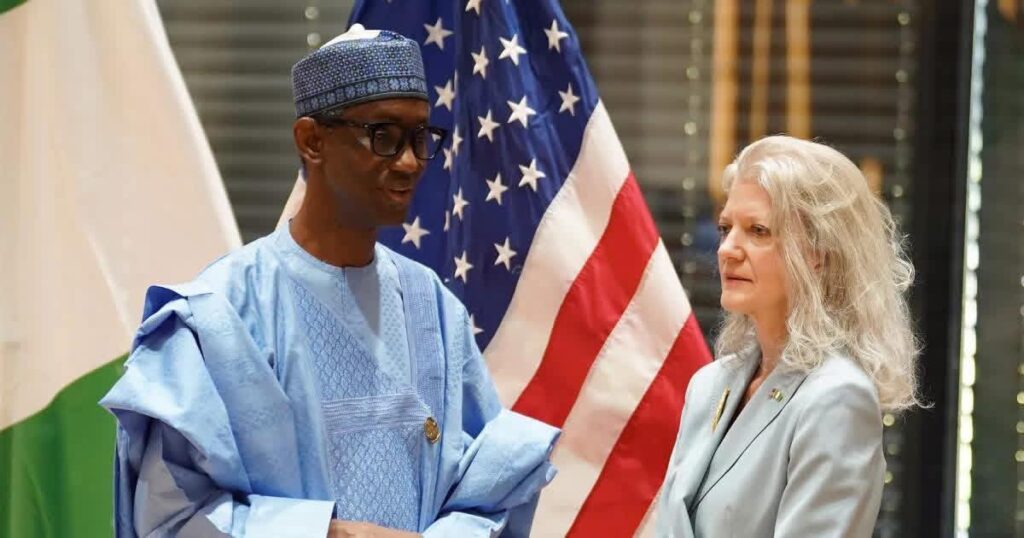















































































































































































































































































































































































































































Fuel Subsidy U-turn Could Weaken Naira, Undermine Reforms, FG Warns

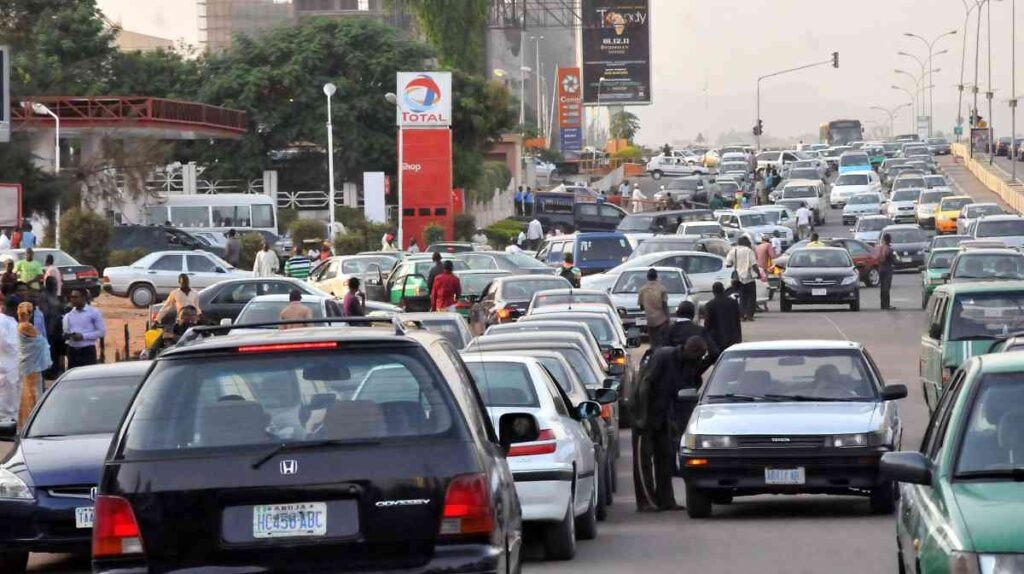
The Federal Government has warned that a return to fuel subsidies could trigger capital flight, put pressure on the naira, and undermine the gains of its economic reforms.
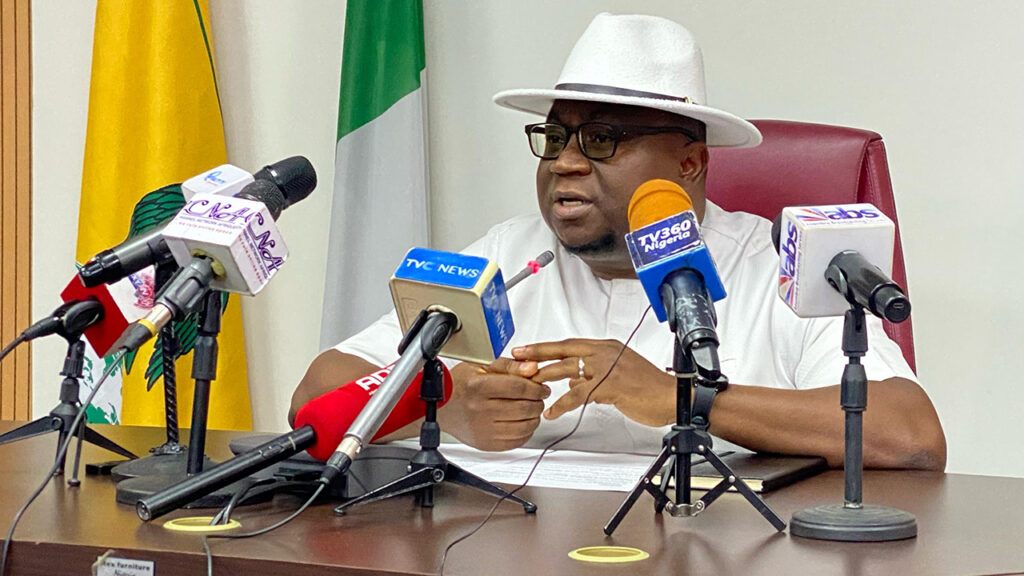
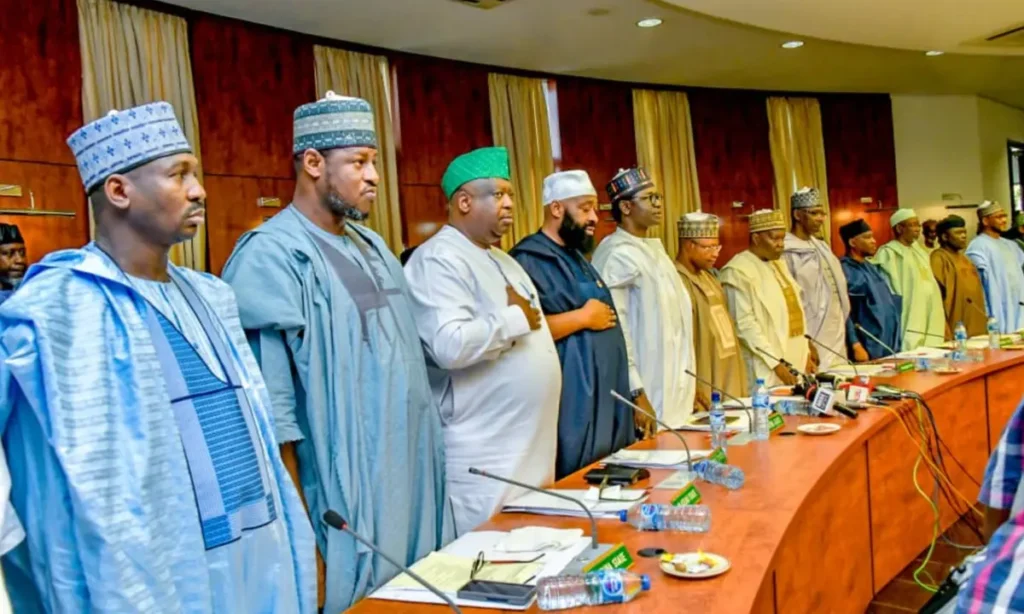
The warning came during a media briefing in Bangkok, Thailand, at the conclusion of the 2026 IMF-World Bank Annual Meetings.
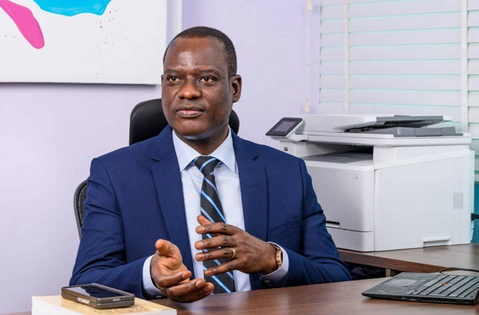
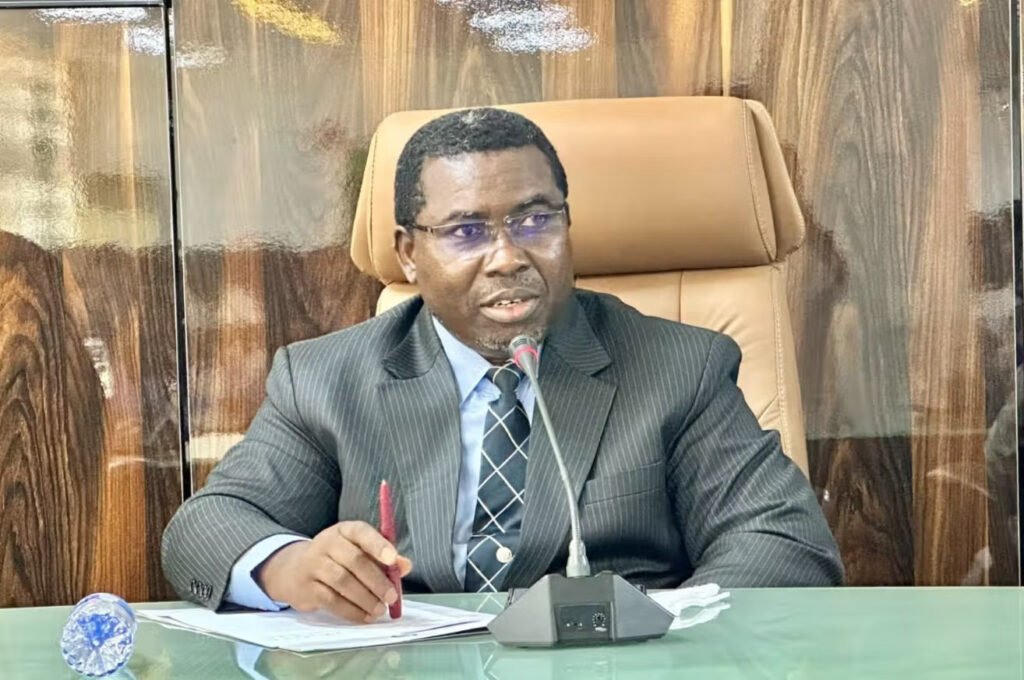
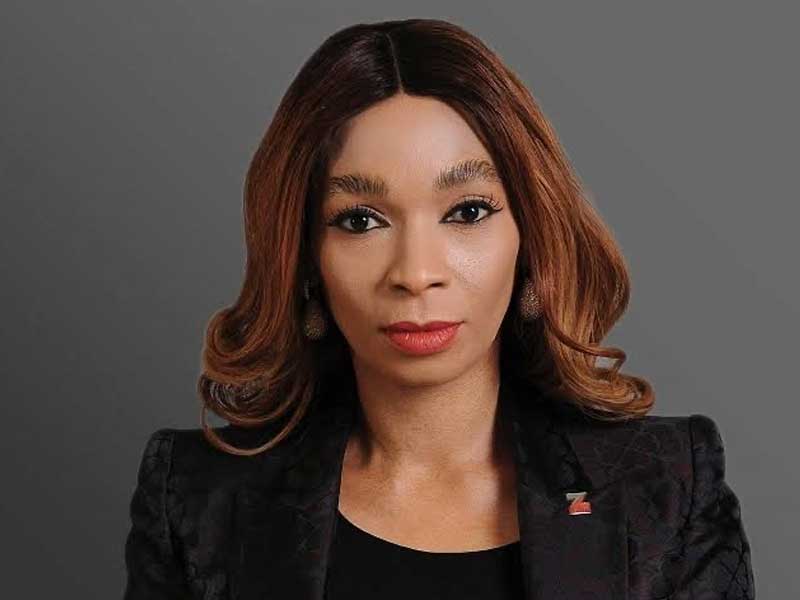
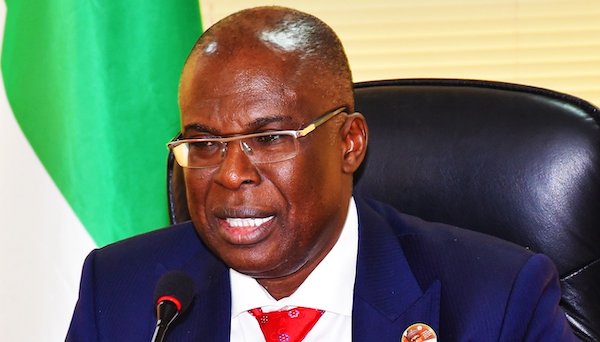
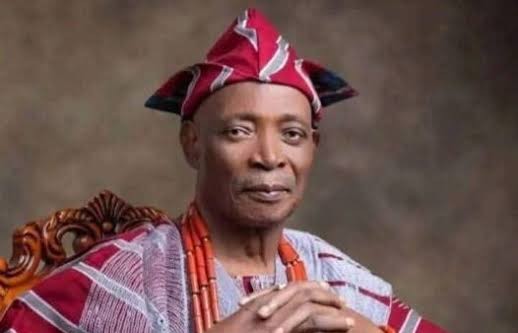
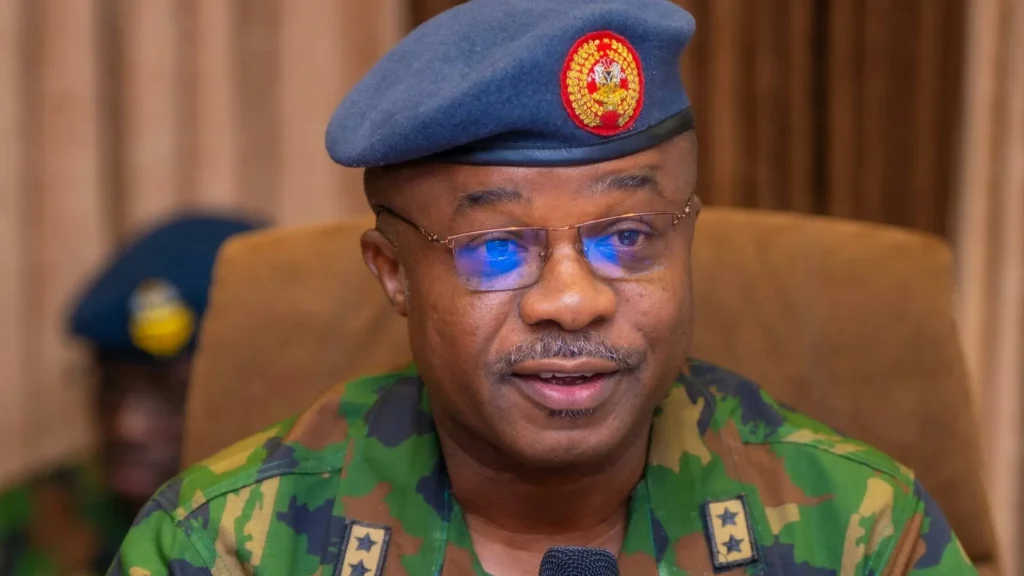
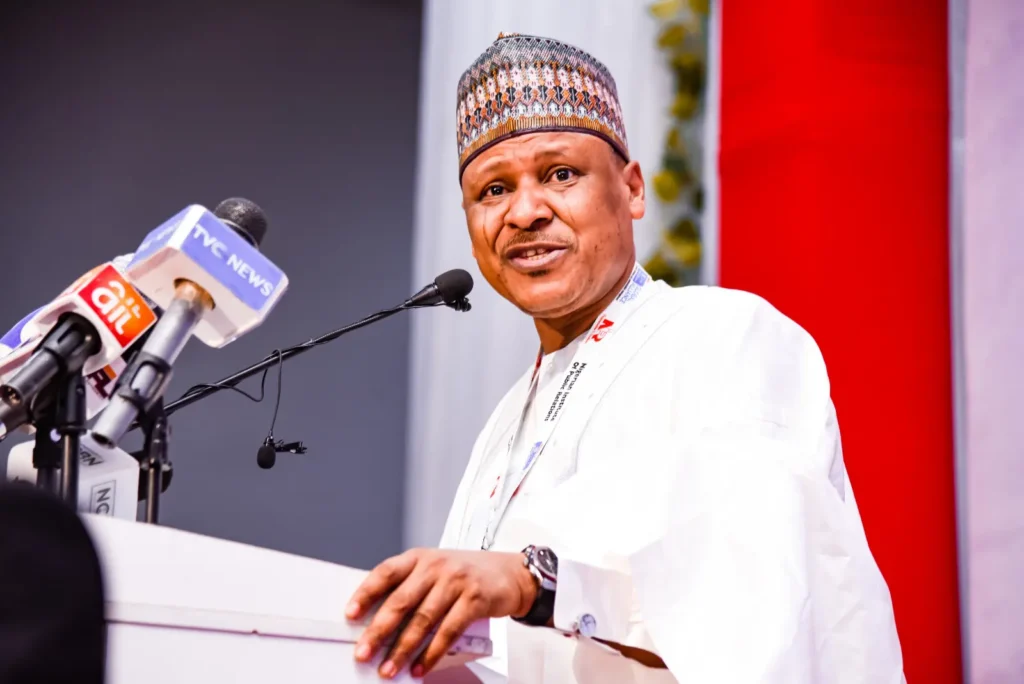
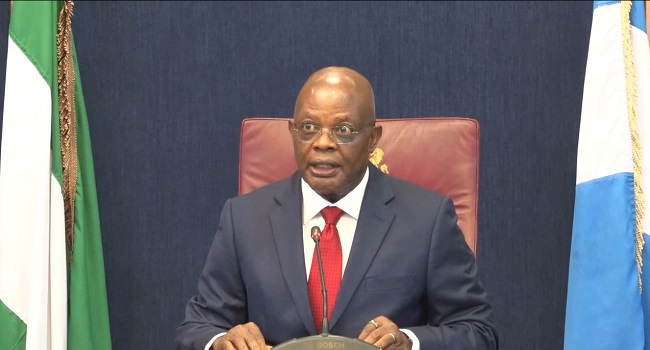
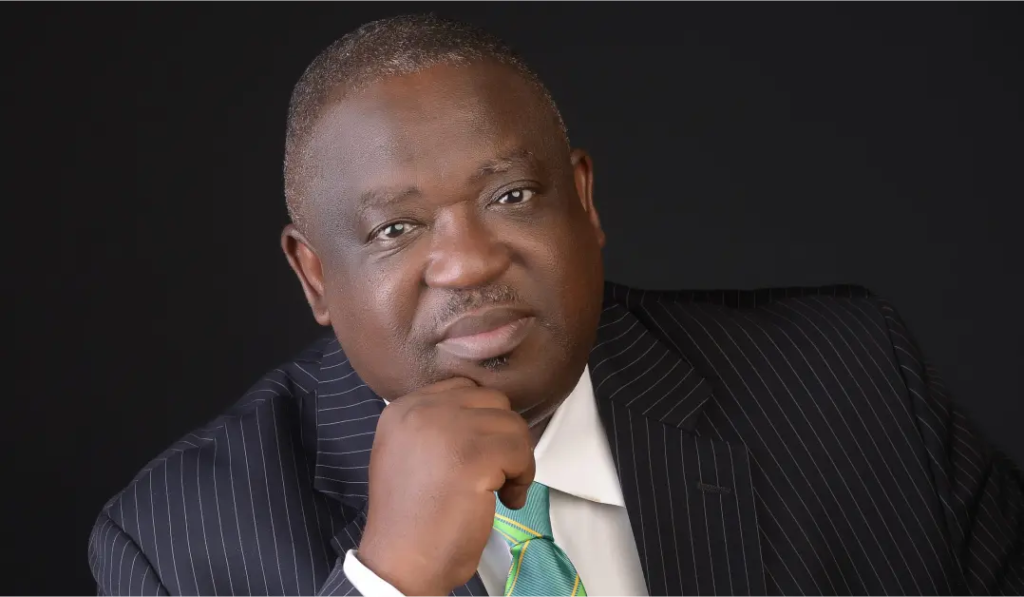
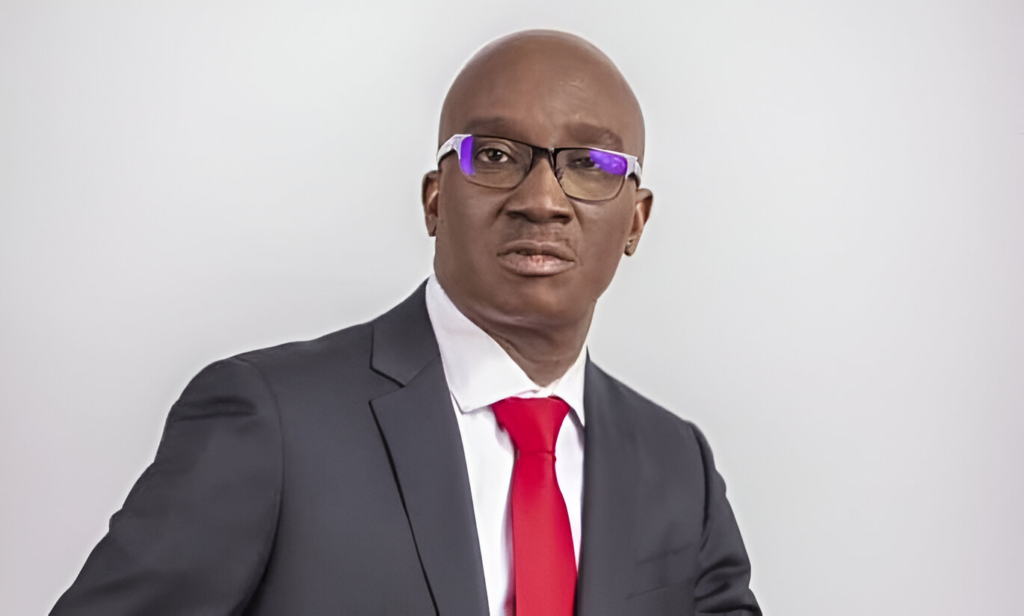
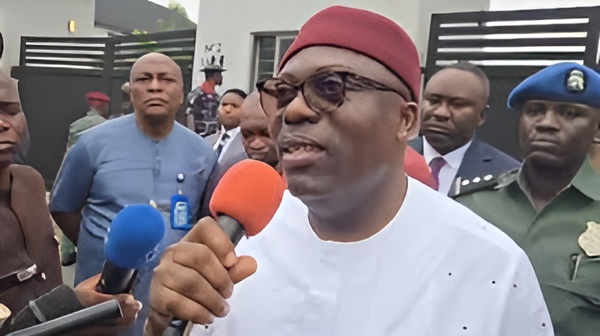
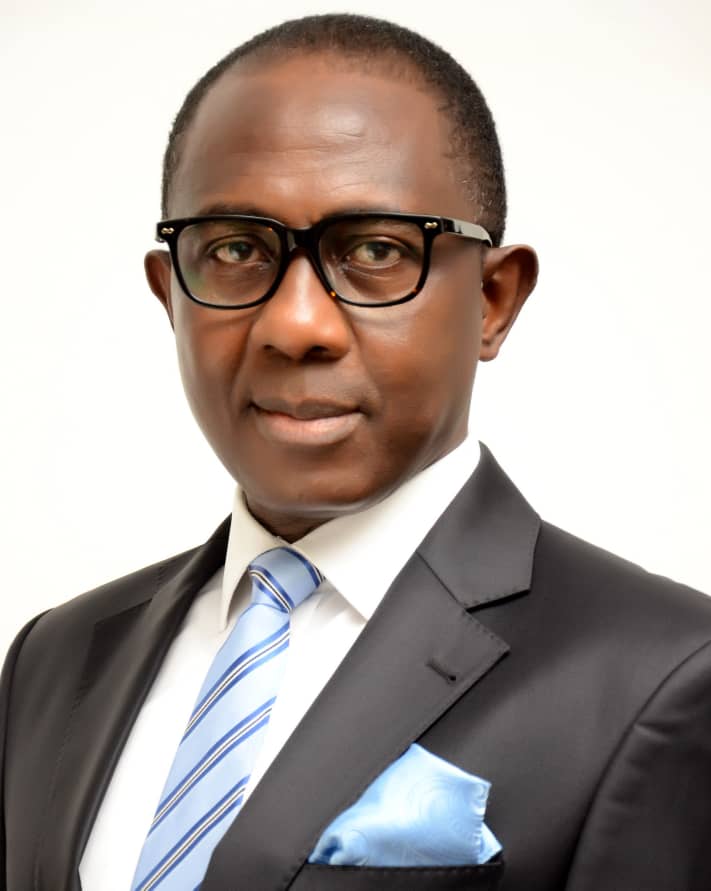
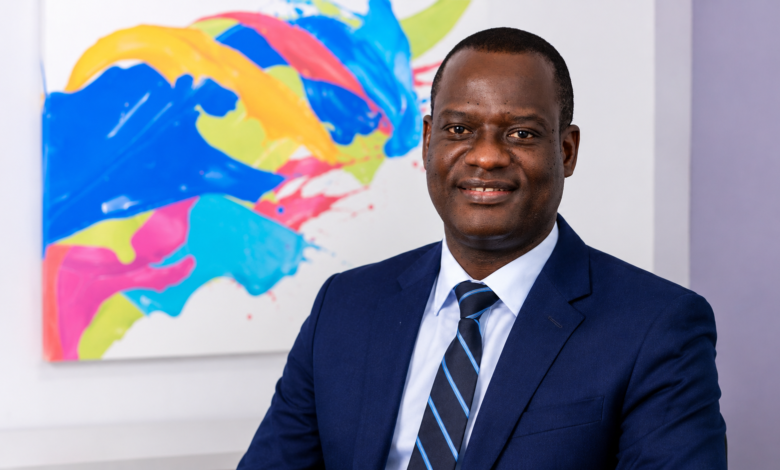
The Minister of Finance and Coordinating Minister of the Economy, Taiwo Oyedele; the Governor of the Central Bank of Nigeria (CBN), Olayemi Cardoso; and the Minister of Budget and Economic Planning, Atiku Bagudu, addressed Nigeria’s economic outlook following the meetings.
Oyedele said investors had repeatedly sought assurances that the government would not reverse the removal of fuel subsidies or the unification of exchange rates, particularly as the country approaches another election cycle.
He argued that any indication that the government might reintroduce fuel subsidies could prompt investors to withdraw their capital, placing additional pressure on the foreign exchange market and the naira.
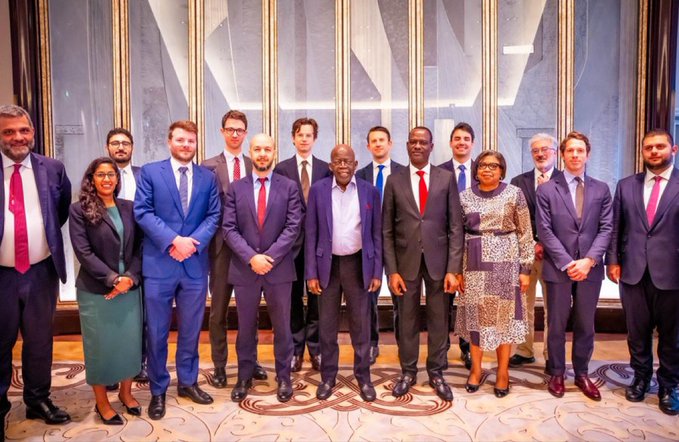
The finance minister and the CBN governor attended the final briefing by the Nigerian delegation to the 2026 IMF-World Bank Meetings in Bangkok, where the delegation outlined key takeaways from five days of deliberations, particularly those relevant to the administration’s economic policies.
The delegation also clarified the government’s decision to discount the retail price of Premium Motor Spirit (PMS), commonly known as petrol, and announced a seven per cent economic growth target.
In his remarks, Bagudu emphasised the need for fiscal and monetary authorities to work together to sustain the gains of the economic reforms.
Debt, climate change, artificial intelligence, and inequality featured prominently on the agenda at the World Bank-IMF meetings, attended by Nigeria and 190 other countries in Thailand.
At the meetings, Nigeria called for comprehensive reforms of the International Monetary Fund (IMF) and the World Bank to strengthen the voice of developing economies in global financial decisions, improve access to financing, and enhance their capacity to withstand economic shocks.
Presenting the communiqué of the Group of Twenty-Four (G-24) 2026 annual meeting in Bangkok, on the sidelines of the World Bank-IMF Annual Meetings, Oyedele said geopolitical conflicts, trade uncertainties, volatile commodity prices, and climate shocks were threatening global economic growth.
According to him, these challenges disproportionately affect emerging markets and developing economies, undermining efforts to create jobs and achieve inclusive transformation.