































































































































































































































































































































































































































































































































































































































































































































































































































































































































FG Waives Data Costs For Students Using Approved Education Platforms


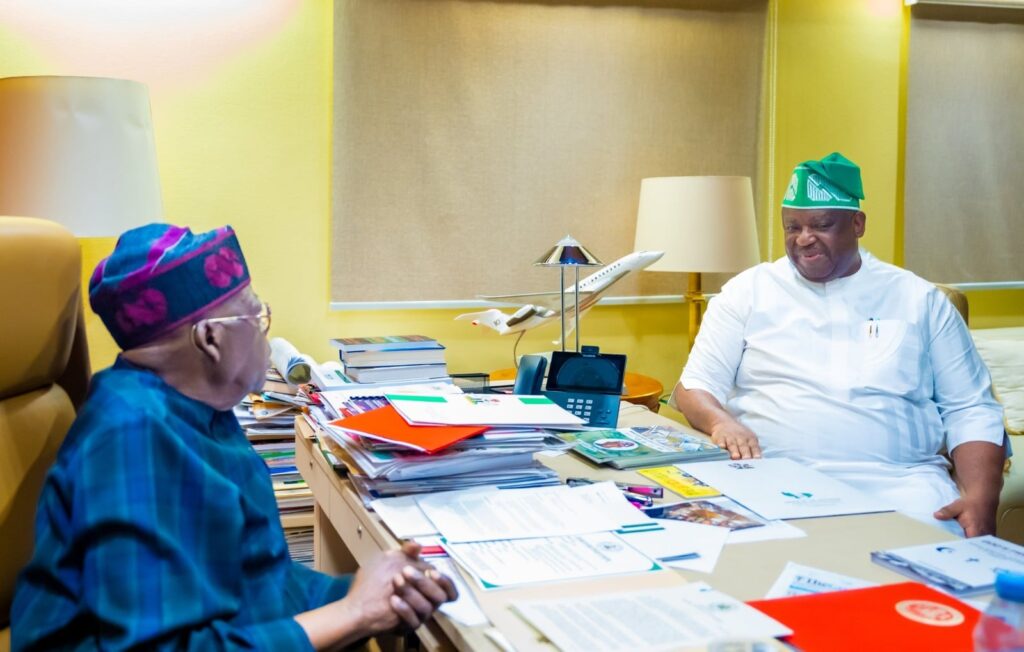
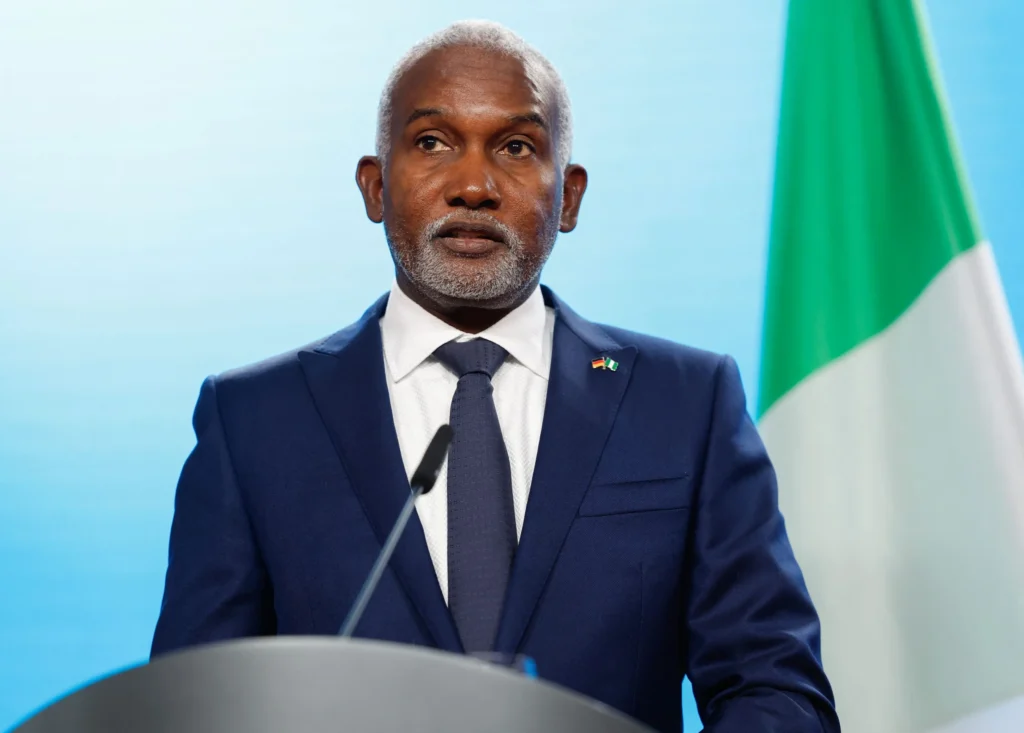
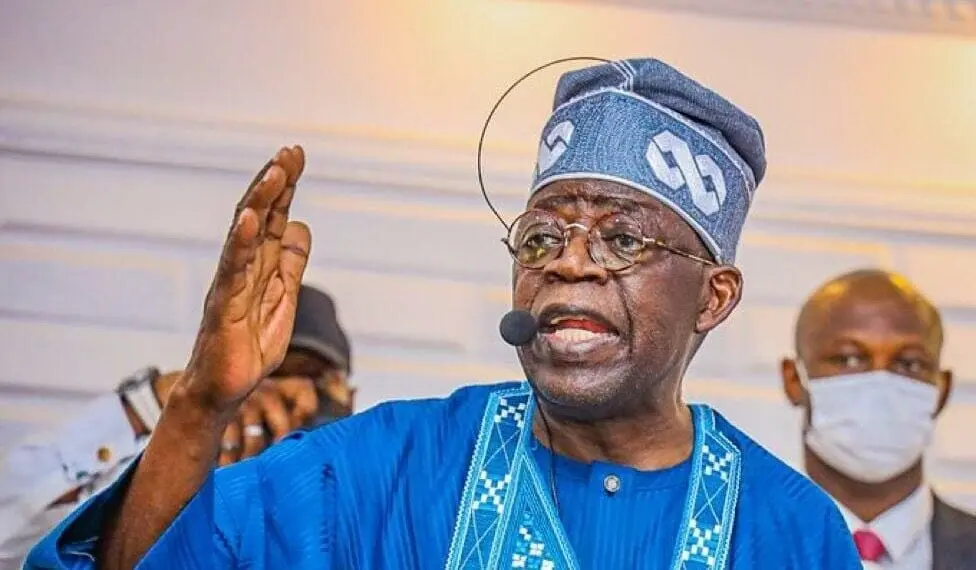
The Minister of Education, Tunji Alausa, has launched a major digital education intervention under President Bola Tinubu’s Renewed Hope Agenda, waiving data costs for millions of learners in senior secondary schools and tertiary institutions accessing approved educational platforms.
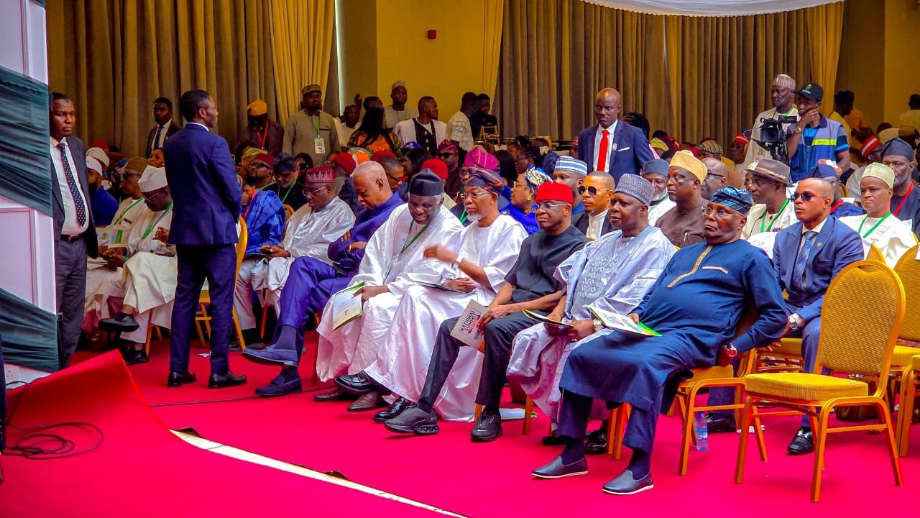
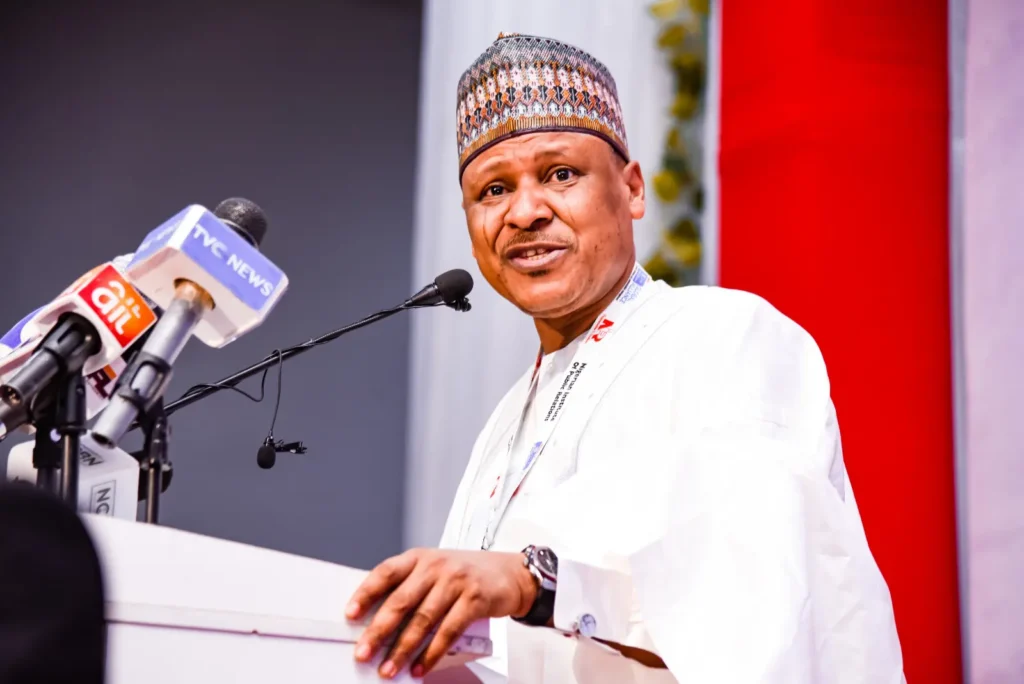
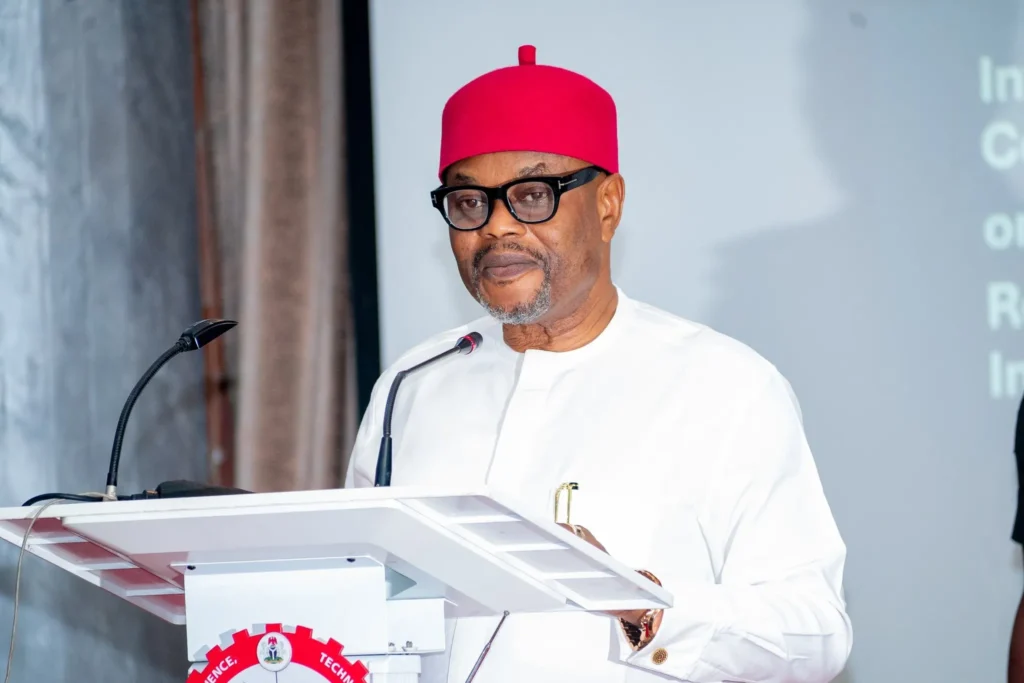
Speaking at the launch of the Initiative for Zero-Rated Access to Educational Platforms and Content in Nigeria, Alausa described the intervention as a decisive step towards ensuring that poverty, geography, and the cost of connectivity no longer determine access to quality learning.
He also announced plans for regulated internet access for children below the age of 16 as part of stronger measures to protect Nigerian children online.
This was contained in a statement released on Thursday by the Minister’s Special Adviser on Media and Communication, Ikharo Attah.
According to Alausa, the initiative goes beyond connectivity, as it seeks to put learning within reach of children who may otherwise be unable to afford the data required to access it.
He said a mobile phone, tablet, or computer could become a classroom, library, and gateway to opportunity when the cost of connectivity is no longer a barrier, particularly for learners from low-income households and communities where access to conventional educational infrastructure remains limited.
Alausa explained that the intervention was part of the broader transformation of Nigeria’s education sector through the Nigeria Education Sector Renewal Initiative (NESRI), with data and digitalisation at its core.
Through the Nigeria Education Data Infrastructure, the Digital Nigeria Education Management Information System, and the Learner Identification Number, the ministry is strengthening the way education is planned, managed, and delivered.
He stressed, however, that the real measure of digital transformation would be its ability to reach learners and improve the quality of education.
The minister said President Tinubu’s commitment to the welfare of every Nigerian child required the government and stakeholders to remain vigilant against threats in the digital environment, including cyberattacks and other forms of online harm.
He disclosed that, at some point, there would be regulated internet access for every child below the age of 16 as part of measures to strengthen online child protection.
Alausa also highlighted the growing role of the telecommunications industry in education, noting that connectivity was increasingly becoming as essential to learning as classrooms, textbooks, and laboratories.
He called for sustained collaboration among the ministry, state governments, the Nigerian Communications Commission, telecommunications operators, technology companies, development partners, educational institutions, and teachers to ensure that digital education was accessible, safe, and relevant.
He added that Nigeria must go beyond producing young people who merely consume technology to developing a generation that could create technology, innovate, solve problems, and compete globally.
In his goodwill message, the Chairman of the House Committee on Communications, Hon. Peter Akpatason, commended the Nigerian Communications Commission for the initiative, describing the high cost of data as one of the most pressing barriers to learning in the digital age.
He reaffirmed the commitment of the House of Representatives to policies and legislative measures that leverage technology to bridge the education gap, particularly for learners in underserved and hard-to-reach communities.
Also speaking, the Chairman of the Senate Committee on Tertiary Institutions and TETFund, Senator Mohammed Muntari Dandutse, stressed the need to ensure that no Nigerian child was left behind in accessing knowledge and educational opportunities.
He commended the telecommunications industry for its contributions, including through corporate social responsibility initiatives that support children and expand access to learning, noting that access to knowledge remained fundamental to Nigeria’s progress.
Alausa assured that the Federal Ministry of Education would continue to work closely with the Nigerian Communications Commission, state governments, telecommunications operators, educational institutions, development partners, and other stakeholders to translate the initiative into lasting impact for Nigerian learners.