




















































































































































































































































































































































































































































































































































































































































































































































































































































































NCDC Urges Vigilance As 28 Ebola Contacts Remain Under Monitoring

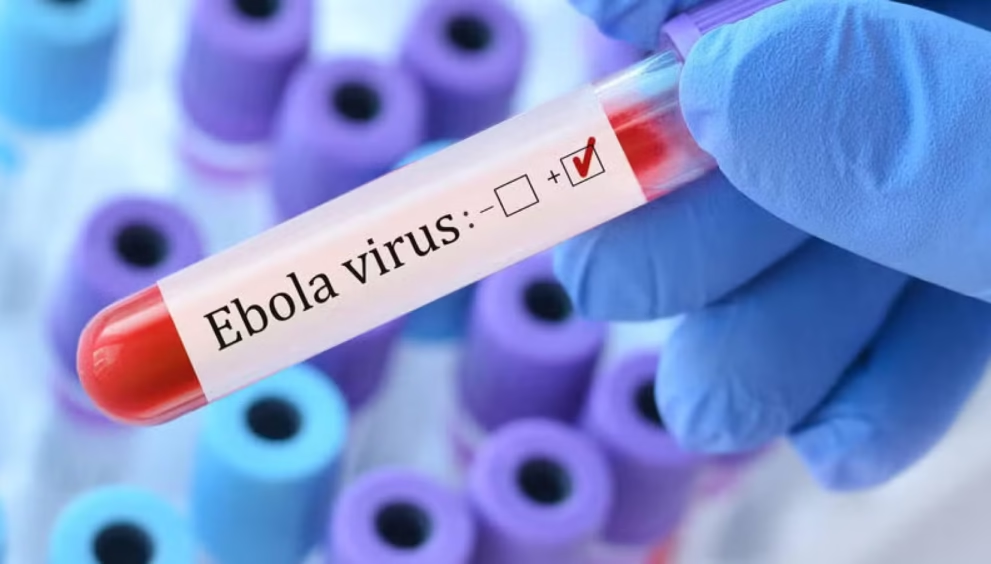
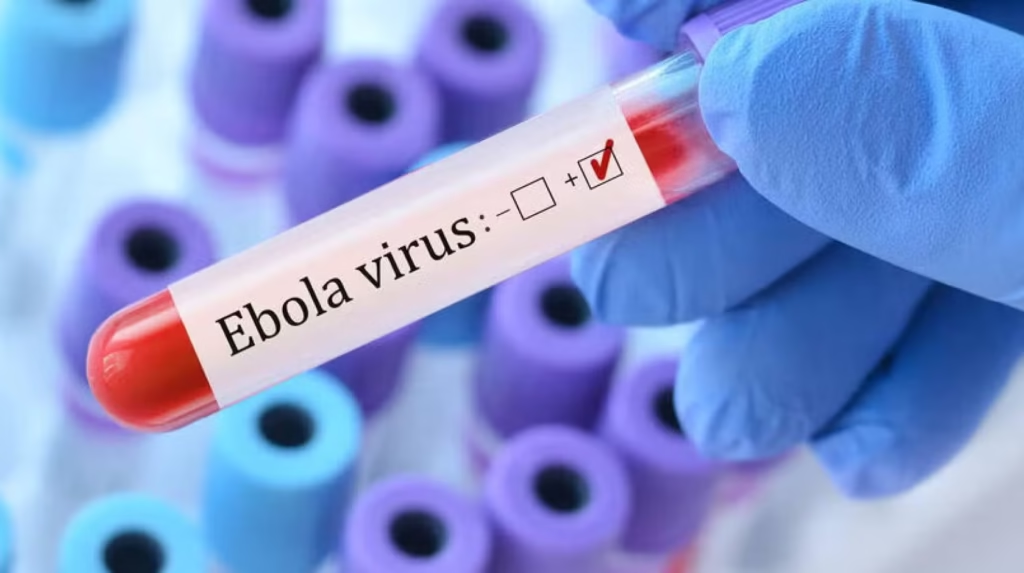
The Nigeria Centre for Disease Control and Prevention (NCDC) has urged Nigerians to remain vigilant, warning that the country cannot yet be declared free of Ebola despite recording no new cases following the confirmation of an imported case of Bundibugyo virus disease in a traveller from Uganda.
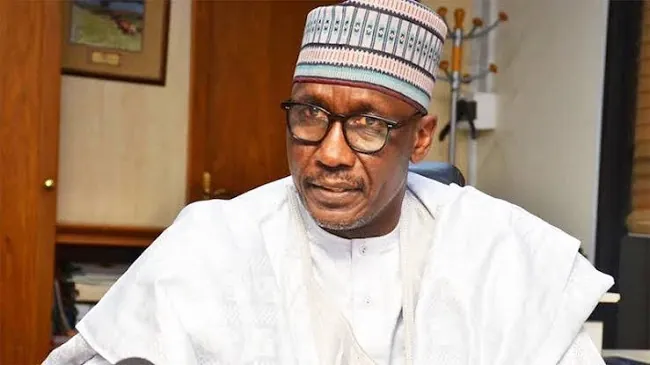
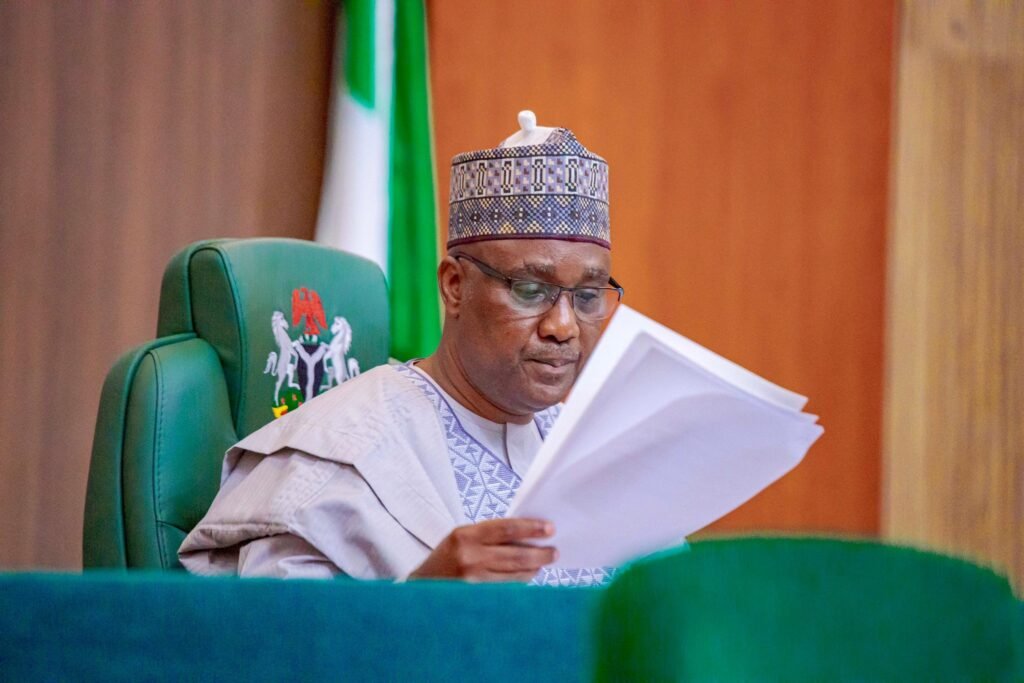
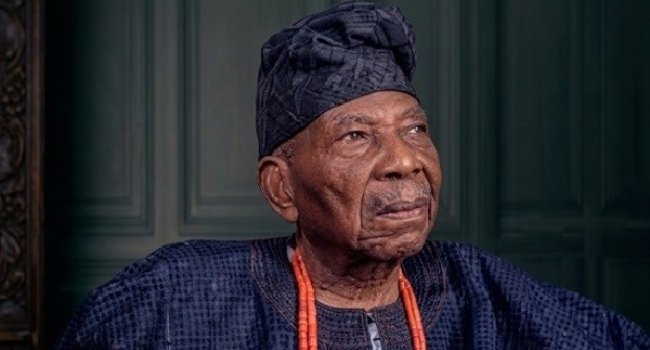
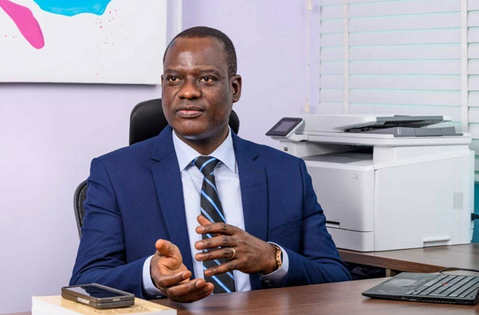
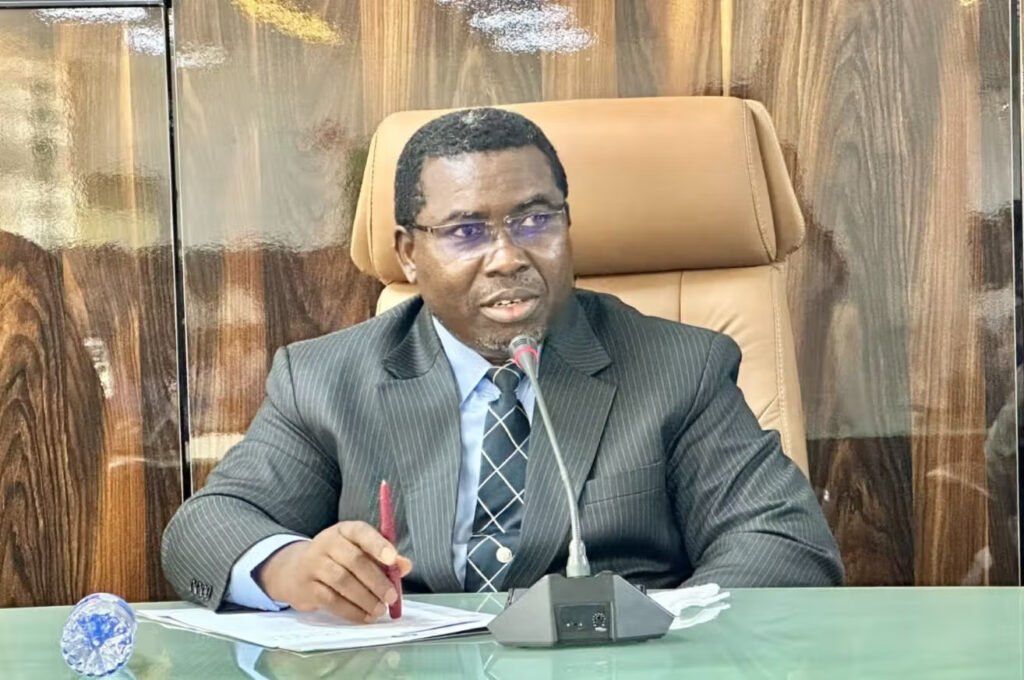
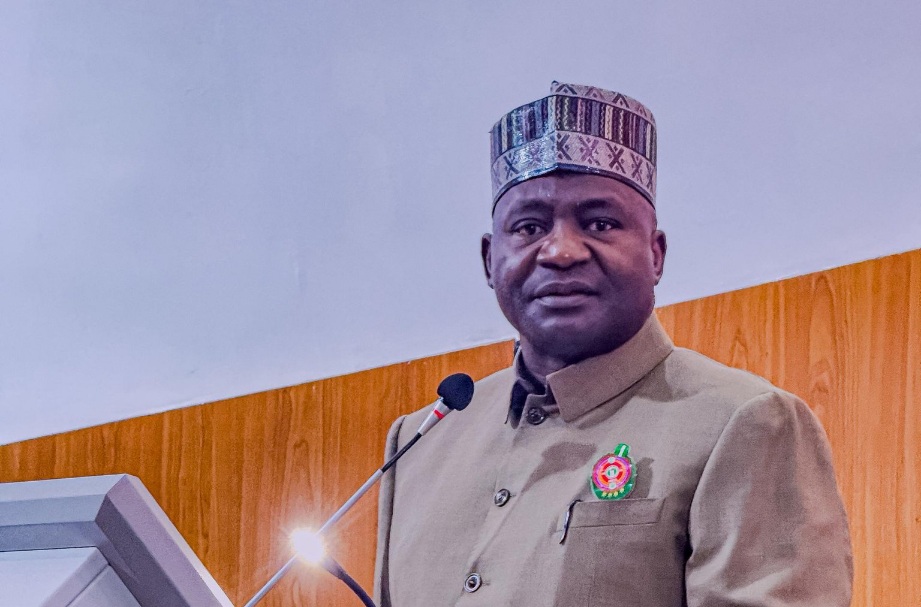
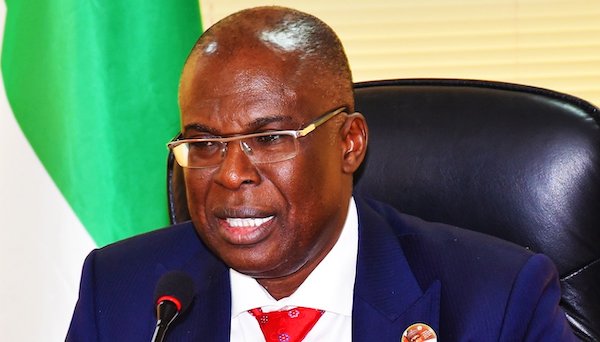
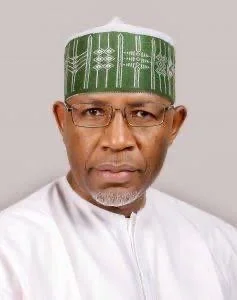
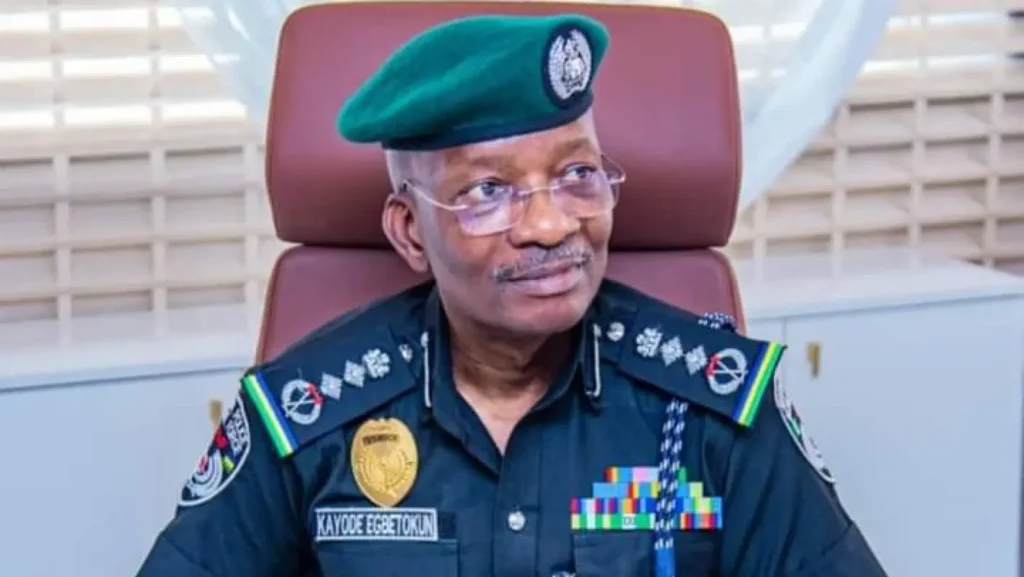
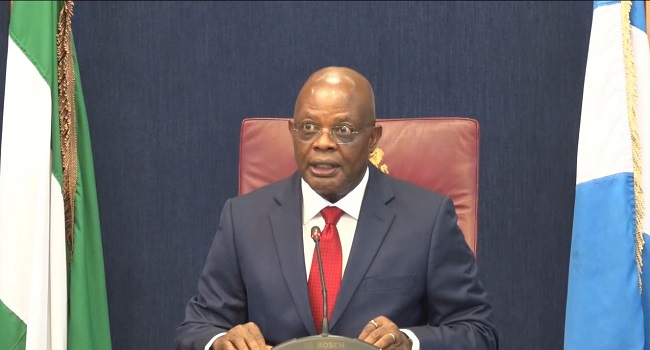
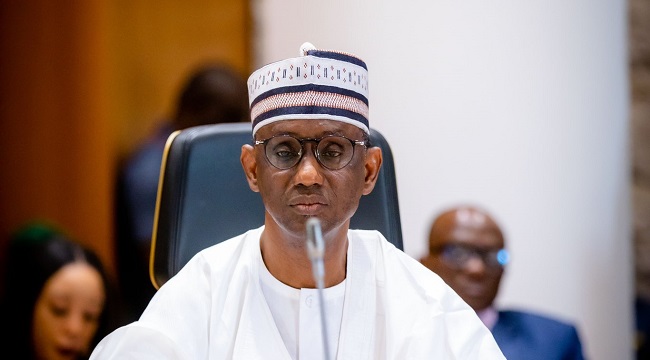
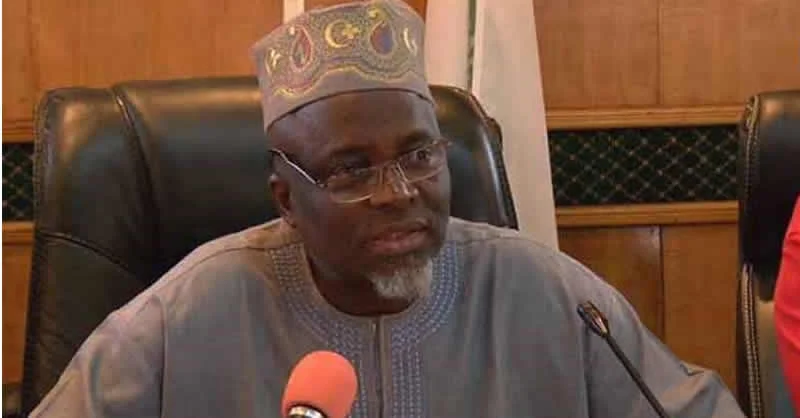
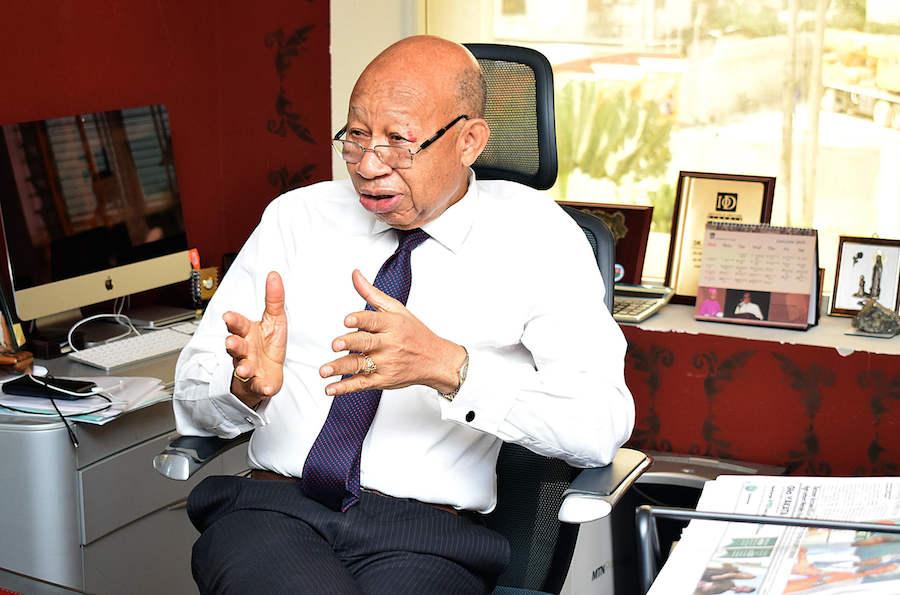
The Director-General of the NCDC, Dr. Jide Idris, gave the warning on Tuesday while providing an update on the country’s response to the outbreak.
He said 28 contacts linked to the confirmed case were still being monitored, stressing that Nigeria must complete the required surveillance period before the World Health Organisation (WHO) can declare the country free of the virus.
According to Idris, 34 of the 62 contacts identified in connection with the case had completed their individual 21-day monitoring periods as of November 9, while the remaining 28 were still under follow-up.
He explained that the 21-day period did not apply collectively to all identified contacts, as each person had a separate monitoring timeline.
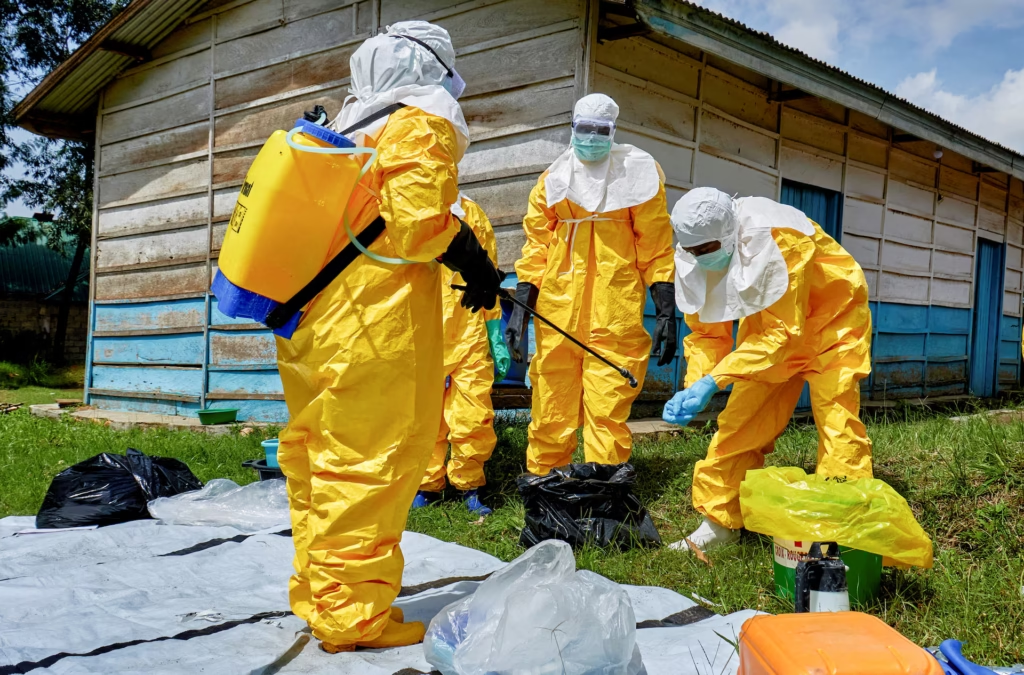
The NCDC chief said the agency was sustaining contact tracing, investigating reported alerts, conducting laboratory tests and strengthening surveillance at points of entry in collaboration with the Federal Ministry of Health and Social Welfare, the Federal Capital Territory Administration, state authorities and development partners.
Idris cautioned against interpreting the completion of 21 days since the first case was confirmed as the end of the monitoring period for everyone identified as a contact.
“It’s remaining 28, and not all of them will go at once. So, although they have done 21 days in exclusion, they are still there.
“Because they have left the quarantine does not mean we are Ebola-free. We can only be declared Ebola-free after another 21 days again. And it is not by ourselves to declare ourselves Ebola-free. WHO must be involved.
“So as at now, although we don’t have any new case, we still have to be vigilant. We are still not Ebola-free.
“Our surveillance system and contact tracing is throughout Nigeria. Some people manage the airport, other people manage the land borders. And you will recollect that we had alerts from Adamawa State and Rivers State. I think the last one was in Borno state that came through the borders. They all turned negative,” he said.
He also emphasised that being identified as a contact did not mean that an individual had contracted the virus. Rather, the monitoring process was designed to ensure that anyone who developed symptoms could be identified promptly and receive the appropriate medical response.
The NCDC urged healthcare workers in public and private health facilities to remain alert, establish patients’ travel and exposure histories, observe infection prevention and control measures, and promptly report suspected cases to public health authorities.
It advised anyone who developed symptoms after possible exposure to Ebola to avoid contact with others and call its toll-free line, 6232, for guidance before travelling to a health facility.
Beyond the Ebola response, the agency expressed concern over other infectious diseases, including dengue fever, chikungunya, diphtheria, cerebrospinal meningitis and Lassa fever.
It confirmed cases of dengue fever in Sokoto and Zamfara states, as well as chikungunya in Sokoto State.
To support the affected states, the NCDC said it had deployed national rapid response teams, including entomologists from the National Arbovirus Research Centre in Enugu.
The teams are assisting with case identification, laboratory investigations, clinical preparedness, community engagement and mosquito control activities.
Idris warned Nigerians against assuming that every fever was malaria, noting that dengue and chikungunya could also cause fever, headaches, body pains and joint pains.
He identified severe abdominal pain, repeated vomiting, bleeding and difficulty breathing as possible warning signs of serious dengue complications, urging anyone experiencing such symptoms to seek urgent medical attention.
The agency also called on states within the meningitis belt to strengthen surveillance, diagnostic services, clinical preparedness and vaccination responses as the dry season approaches.
On diphtheria, the NCDC said the disease remained a serious public health concern, particularly among children who had missed routine immunisation.
It urged parents and caregivers to verify their children’s vaccination status and seek guidance from healthcare providers on any missed doses.